Best Time to Visit Italy (2026)
Disclosure: Some links in this guide are affiliate links. If you book or buy through them, we may earn a small commission at no extra cost to you — it helps keep our guides free.
- The best time to visit Italy is April to June or September to October.
- Italy stretches roughly 1,200 km, so the right month depends on the lakes and mountains, central cities, or southern coast.
- In July and August Rome is hot and crowded and Sicily brutally hot; the lakes and Dolomites are at their best.
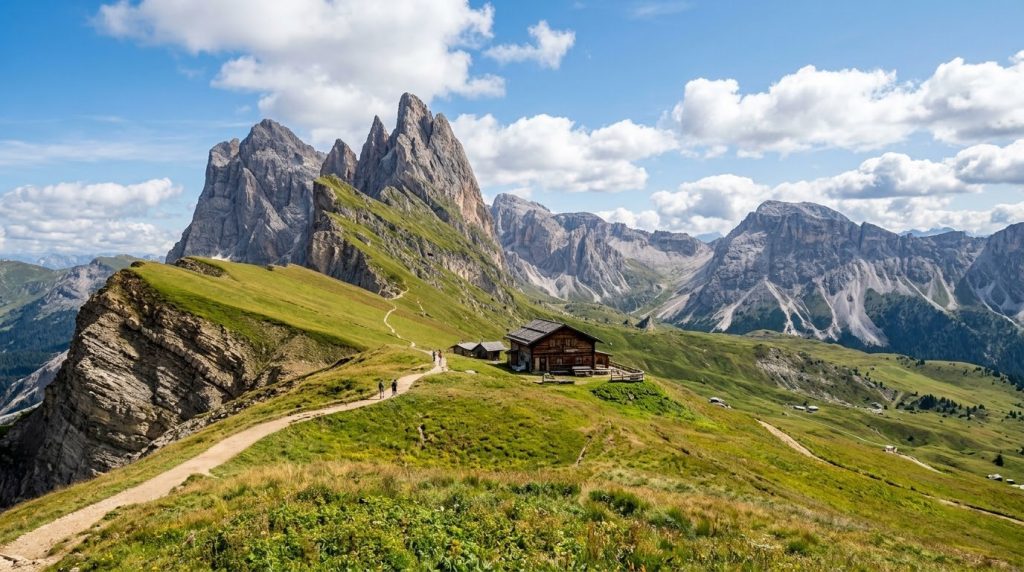
The best time to visit Italy is April to June or September to October, when Rome’s daytime highs sit between 17°C and 25°C (63°F to 77°F) and southern cities such as Palermo regularly push past 31°C (88°F) in August. Italy stretches roughly 1,200 km from the Alps to Sicily, so the right month depends on whether the trip is built around northern lakes and mountains, central cities, or southern coastline.
| Season | North (lakes/Alps) | Central (Rome/Tuscany) | South (Sicily/Amalfi) | Best for |
|---|---|---|---|---|
| Spring (Apr-Jun) | Lake Como mild, mountain trails reopening | Rome and Tuscany at 17-25°C, greenest months | Amalfi and Sicily warming, crowds still thin | First-time sightseeing, hiking, gardens |
| Summer (Jul-Aug) | Lake Como and the Dolomites at their best, cool evenings | Rome hot and crowded, many locals leave in August | Sicily brutally hot, 31°C+ highs, packed coast towns | Alpine hiking, lake towns |
| Autumn (Sep-Oct) | Dolomites turning color, ski season not yet open | Rome cooling to 22°C, Tuscany harvest underway | Amalfi Coast ferries still running, sea still warm | Wine harvest, beaches without crowds |
| Winter (Nov-Mar) | Dolomites ski season Dec-Mar, valley lows to -8°C | Rome and Florence quiet, mild but cold | Sicily and Amalfi mild, lowest prices of the year | Skiing, budget city breaks |
Spring (April to June) — the strongest all-round window
Spring is the most reliable season for a first trip to Italy because Rome sits in a comfortable 17°C to 25°C (63°F to 77°F) range from April through June, well before summer’s crowds and prices arrive.
April opens cool and green, closer to 17°C, then June pushes into the mid-20s as the north’s lake towns and hiking trails fully reopen for the season. Southern Italy also warms up through spring without yet hitting summer’s extremes, so Sicily and the Amalfi Coast are workable for sightseeing and coastal walks well before the July and August rush.
The one exception is the week around Easter, when domestic and international visitors both travel at once and Rome’s major sights get as busy as midsummer. For a month-by-month breakdown of Rome specifically, see Rome’s best time-to-visit guide, since the capital’s spring calendar drives crowd levels for the whole central belt.
Autumn (September to October) — the harvest-season sweet spot
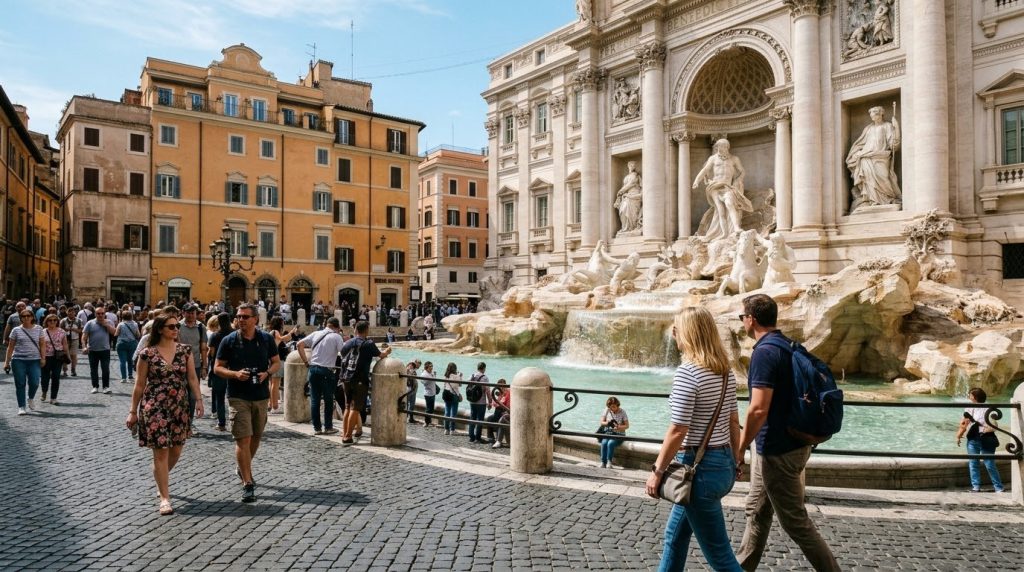
Autumn matches spring for reliability and edges ahead for anyone who wants a warm sea without a packed beach, because Rome cools to roughly 22°C in October while the Mediterranean itself stays swimmable into the month. September opens with the tail end of summer heat and September’s average around 25°C in Rome, then October settles into crisp, comfortable sightseeing weather.
This is also grape harvest season, or vendemmia, across Tuscany and Piedmont, and vineyard towns fill with pickers rather than tour buses. Along the coast, ferry operators keep full schedules running into late October, so Capri, the Amalfi Coast and the Cinque Terre are all still easily reachable by boat.
Venice’s shoulder season runs a little differently, since the city starts to see periodic high water from autumn onward; the Venice seasonal guide covers the acqua alta calendar in detail before booking a canal-side stay.
Summer — the heat, the crowds and the August shutdown
Summer favors the north’s lakes and mountains far more than the south’s cities, because Ferragosto on August 15 shuts down entire neighborhoods while Sicily’s daytime highs stay above 31°C.
Ferragosto itself is a public holiday rooted in the Roman Feriae Augusti, and the two to four weeks around it, known as the chiusura estiva, see family-run restaurants, small shops, dentists and notaries close for anywhere from 10 to 20 days.
Tourist zones are the exception: hotels, gelaterie, beach clubs and supermarkets in resort towns and city centers stay open through the closures, but a traveler wandering a residential neighborhood in Rome or Naples in mid-August will find shutters down on ordinary daily-life shops.
Southern heat is the bigger issue for city sightseeing, since Palermo’s August highs regularly sit near 31°C and the region holds continental Europe’s verified temperature record, 48.8°C, measured near Syracuse in Sicily on August 11, 2021, during an extreme heatwave rather than a typical summer day.
The north tells a different story: Lake Como and the Dolomites are at their most comfortable in July and August, with cool evenings that never approach the south’s extremes, which is why northern lake towns absorb the summer crowd that the south is better off skipping.
Florence sits in between and turns into one of Tuscany’s hottest, most congested stops in July and August; the Florence seasonal guide lays out exactly when the crowds and heat peak there.
Winter — mild south, ski north, empty cities
Winter splits Italy into three distinct experiences rather than one shared low season, with skiing in the north, mild weather in the south, and quiet, discount-priced cities in between.
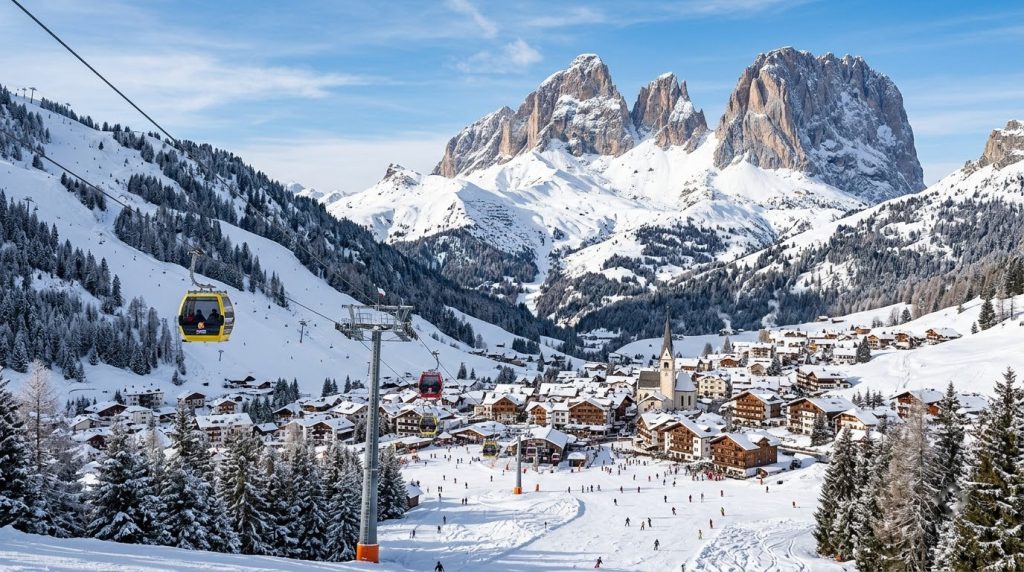
The Dolomites’ ski season runs from the start of December to the end of March, occasionally stretching into early April, with valley temperatures typically between -8°C and -2°C and colder readings at altitude.
Rome and Florence turn quiet and budget-friendly in winter, still cold enough for a coat but rarely freezing, which makes December through February the cheapest window for a first Rome trip if crowds matter more than warmth.
The south stays comparatively mild through winter, and Sicily and the Amalfi Coast see their lowest hotel prices of the year alongside noticeably thinner crowds at major sights. The trade-off is that many coastal resort towns scale back services outside the warm season, so winter suits travelers focused on cities and skiing rather than beach towns.
Why the coast and the cities want different months
Italy’s cities and its coastline run on two different calendars, and conflating them is the most common planning mistake on a first trip. Rome, Florence and Venice operate on rail and road links that run year-round, so there is no month when the country’s major cities are genuinely closed to visitors.
The coast is different: ferry operators serving Capri, the Amalfi Coast and the Cinque Terre run full schedules only from roughly April through late October, then cut back sharply or suspend routes outside that window.
That means a coastal itinerary is effectively boxed into a seven-month season even when the weather itself would allow a visit outside it, while a city-only itinerary has no such constraint. Anyone combining both in one trip should build the coastal leg inside the April-to-October ferry window first, then fit city time around it, rather than the reverse.
When NOT to visit Italy
Skip southern Italy in August specifically, since Ferragosto closures combine with Palermo and Naples highs above 31°C to make city sightseeing genuinely uncomfortable rather than merely busy. Avoid the week immediately around Easter if crowd levels matter more than weather, because Rome’s major sights see Easter-week volumes that rival the July and August peak despite spring’s milder temperatures.
Skip the Amalfi Coast, Capri and the Cinque Terre from November through March, since ferry service outside the April-to-October season is reduced or suspended on many routes and a number of resort hotels close for the winter entirely.
Finally, avoid booking a Dolomites trip for snow sports outside December through March, since the ski season outside that window cannot reliably guarantee snow cover even at altitude.
Plan your Italy trip
Once the season is set, the next decision is splitting time between cities, lakes and coast without overbuilding the itinerary. A short Rome stay pairs naturally with either a lake detour north or a coastal add-on south, and the 3-day Rome itinerary is built around exactly that kind of trip, whatever the season.
Prices quoted in euros convert at today’s rate of roughly EUR/USD 1.16, worth checking again closer to booking since hotel rates swing by season far more than the exchange rate does.
Find your Italy hotel on the map
Live prices from Booking, Airbnb and more — move the map or change dates to compare stays across Italy.