
Disclosure: Some links in this guide are affiliate links. If you book or buy through them, we may earn a small commission at no extra cost to you — it helps keep our guides free.
Ultimate Cairo Travel Guide 2026: Plan Your Trip Right
Cairo rewards travelers who arrive prepared. The city packs ancient wonders, world-class museums, and a street-food culture unlike anywhere else — and in 2026, two major new openings make it more worth visiting than ever.
Whether you’re a first-timer staring at the Pyramids from afar or a repeat visitor diving into Islamic Cairo’s backstreets, this guide covers every practical angle: costs, logistics, neighborhoods, and the affiliate tools we actually use to book trips here.
Key Takeaways
– Egypt welcomed a record 15.7 million international tourists in 2025, up 12% year-on-year (Egypt Tourism Authority, 2025).
– The Grand Egyptian Museum (GEM) fully opened in 2024 and is the world’s largest archaeological museum, holding over 100,000 artifacts (GEM Official, 2024).
– A 3-day Cairo itinerary typically costs USD 250–400 per person for mid-range travel including hotels, food, and tours (Numbeo, 2026).
– The e-Visa fee for Egypt is USD 25 for most nationalities and can be obtained online in 24–48 hours (Egypt Ministry of Interior, 2026).
– Cairo’s metro system expanded to 3 operating lines covering 70+ stations, making cross-city travel fast and cheap at EGP 8–15 per ride (Cairo Metro Authority, 2026).
When to Visit Cairo: Best Times and What to Expect
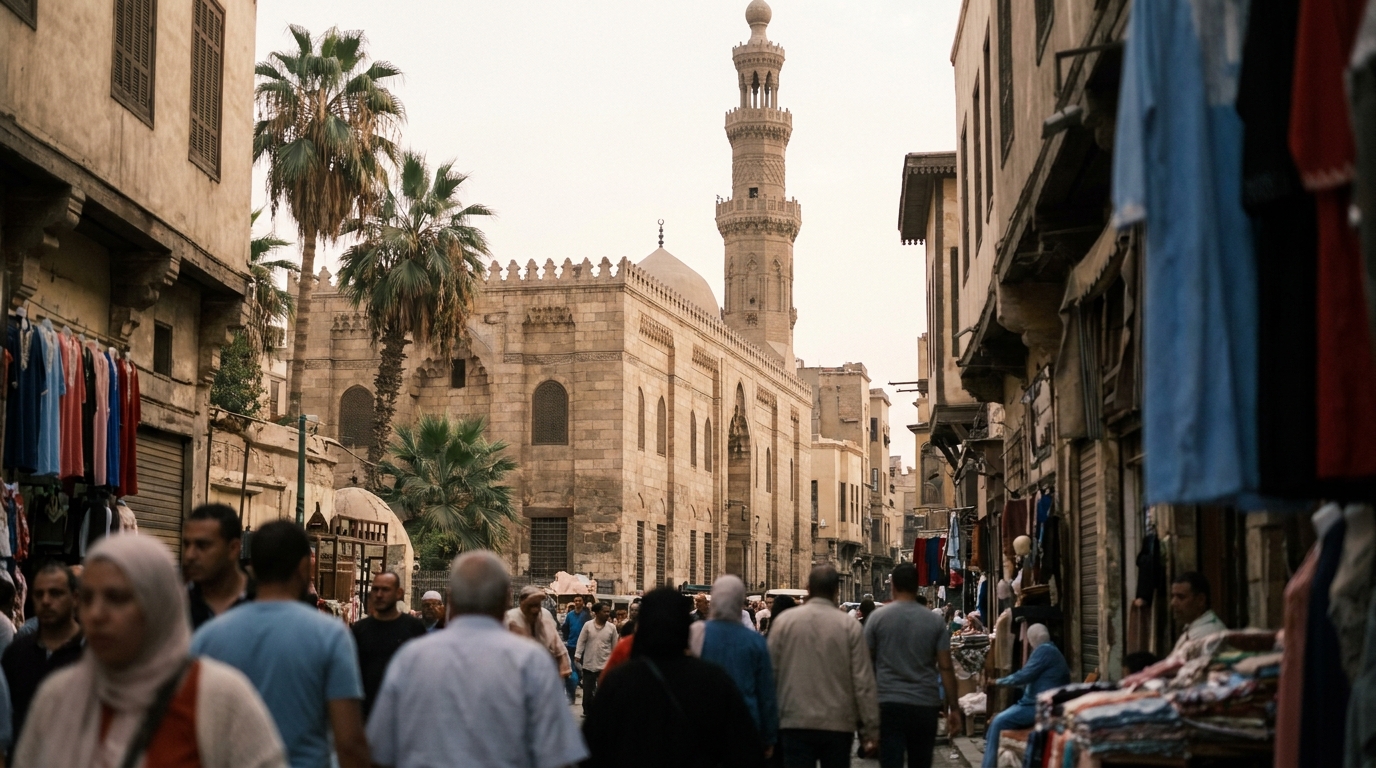
The best window to visit Cairo runs from October through April, when daytime temperatures hover between 18°C and 27°C (64°F–81°F) and the skies stay reliably clear. We’ve visited in both January and March, and neither trip had rain — Egypt’s desert climate means precipitation is genuinely rare in Cairo.
October–November gives you the sweet spot: post-peak-summer crowds, comfortable temperatures, and long daylight hours for outdoor sites. December through February is peak tourist season — especially around Christmas and New Year — so expect higher hotel rates and more visitors at the Pyramids. March and April are quieter and still pleasant before the heat builds.
Summer (May–September) is manageable if you plan smart. Temperatures regularly hit 37°C–40°C (99°F–104°F) in July and August. We’d recommend starting Pyramids visits before 7:30 AM, carrying at least 2 liters of water, and blocking afternoon hours for air-conditioned museum time. The upside: hotel rates drop by 30–40% compared to winter peak.
Ramadan (dates shift annually — in 2026 it falls approximately late February to late March) transforms the city’s atmosphere. Many restaurants close during daylight hours, and crowds at religious sites increase. That said, the evening Iftar atmosphere around Khan el-Khalili is genuinely extraordinary, and daytime queues at tourist sites are shorter.
| Month | Avg High (°C) | Crowd Level | Hotel Rate Index |
|---|---|---|---|
| Jan–Feb | 18–20 | High | $$$ |
| Mar–Apr | 24–28 | Medium | $$ |
| May–Jun | 32–36 | Low | $$ |
| Jul–Aug | 37–40 | Very Low | $ |
| Sep–Oct | 30–33 | Low–Medium | $$ |
| Nov–Dec | 22–26 | Medium–High | $$$ |
Cairo Visa and Entry Requirements for 2026
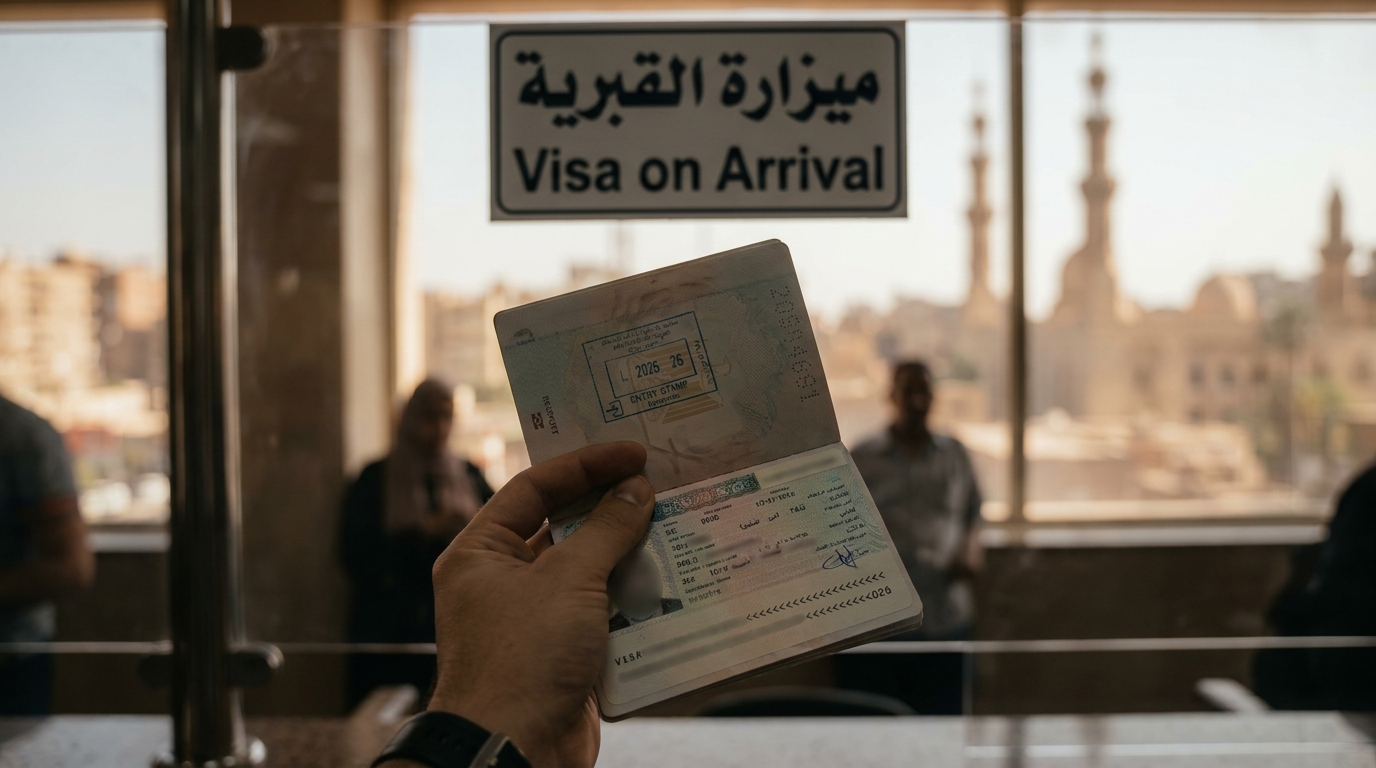
Most Western nationalities — including US, UK, Australian, Canadian, and EU passport holders — need a visa to enter Egypt, but the process is straightforward. The e-Visa is the easiest route: apply online at visa2egypt.gov.eg, pay USD 25, and receive approval by email within 24–48 hours (often faster). Print it or save to your phone; immigration agents check it on arrival.
Visa on arrival is still available at Cairo International Airport for many nationalities at the same USD 25 fee, but we recommend the e-Visa to skip the queues — arrival lines at Terminal 2 can stretch 45 minutes during busy periods. The visa is valid for 30 days single entry, or you can apply for a 30-day multiple entry at USD 60.
US passport holders benefit from an Egypt–US agreement meaning US citizens technically qualify for visa on arrival and e-Visa alike, but the online route still saves time.
Yellow fever vaccination is required only if you’re arriving from a country with active yellow fever transmission. Otherwise, no mandatory vaccines apply for Egypt in 2026, though we’d recommend Hepatitis A and typhoid if you plan to eat extensively at street-food stalls (which you should — more on that below).
Travel insurance with medical evacuation coverage is strongly advised. We use and recommend policies that cover Egypt specifically, as the country’s public hospitals are not at Western standards for emergency care.
Getting to Cairo: Flights and Arrival Logistics
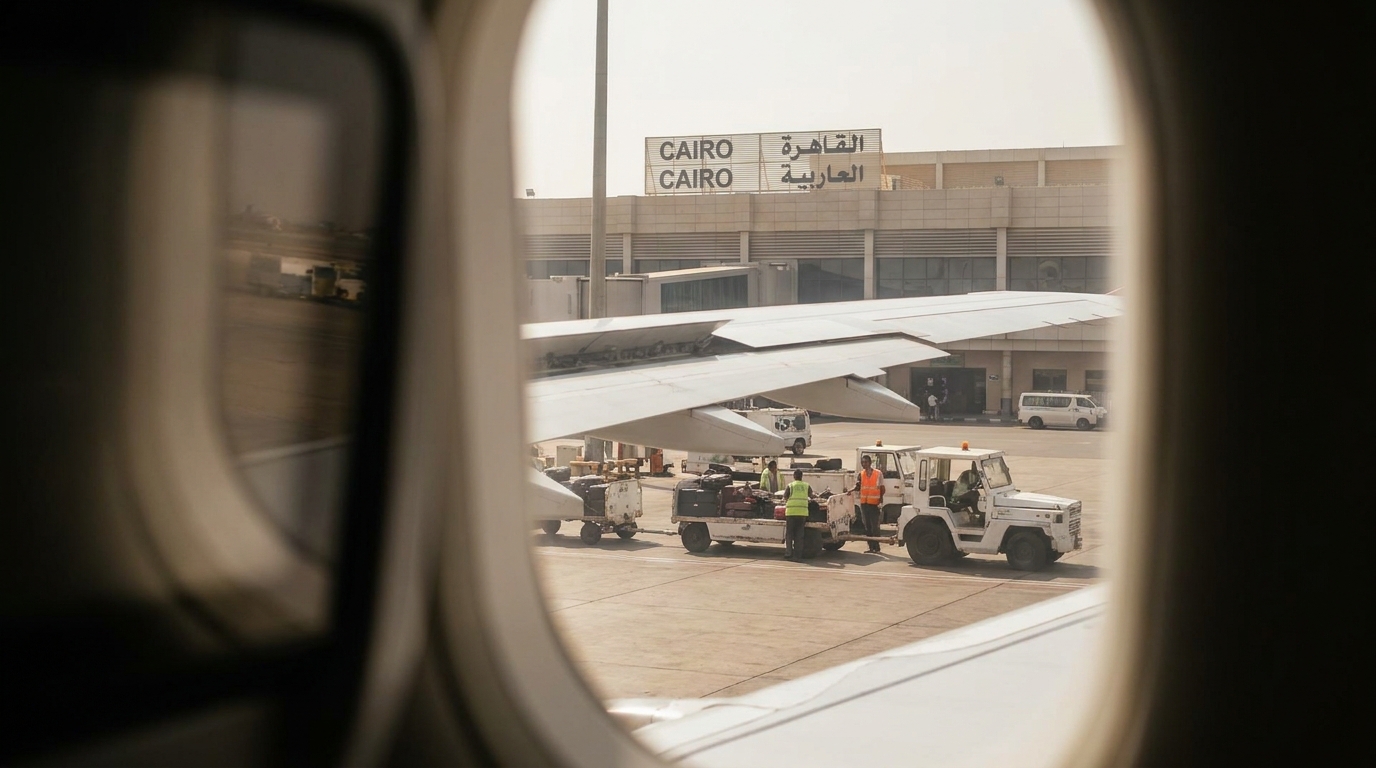
Cairo International Airport (CAI) is Africa’s second-busiest airport and has direct connections from most major hubs. From London, expect 5–6 hour flights on EasyJet, British Airways, or EgyptAir from around GBP 180–350 return in mid-season. From New York (JFK), the most common route connects via London or Istanbul, with EgyptAir and Turkish Airlines offering competitive fares around USD 650–950 return with baggage. From Sydney, Emirates via Dubai is the most efficient routing at roughly AUD 1,400–2,200 return.
Airport to city: Cairo Airport sits about 22 km northeast of Downtown Cairo. Options in 2026:
Find your Cairo hotel on the map
Live prices from Booking & Airbnb — tap a pin to compare stays around Downtown and Zamalek and beyond.
Where to Stay in Cairo: Neighborhoods and Hotel Picks
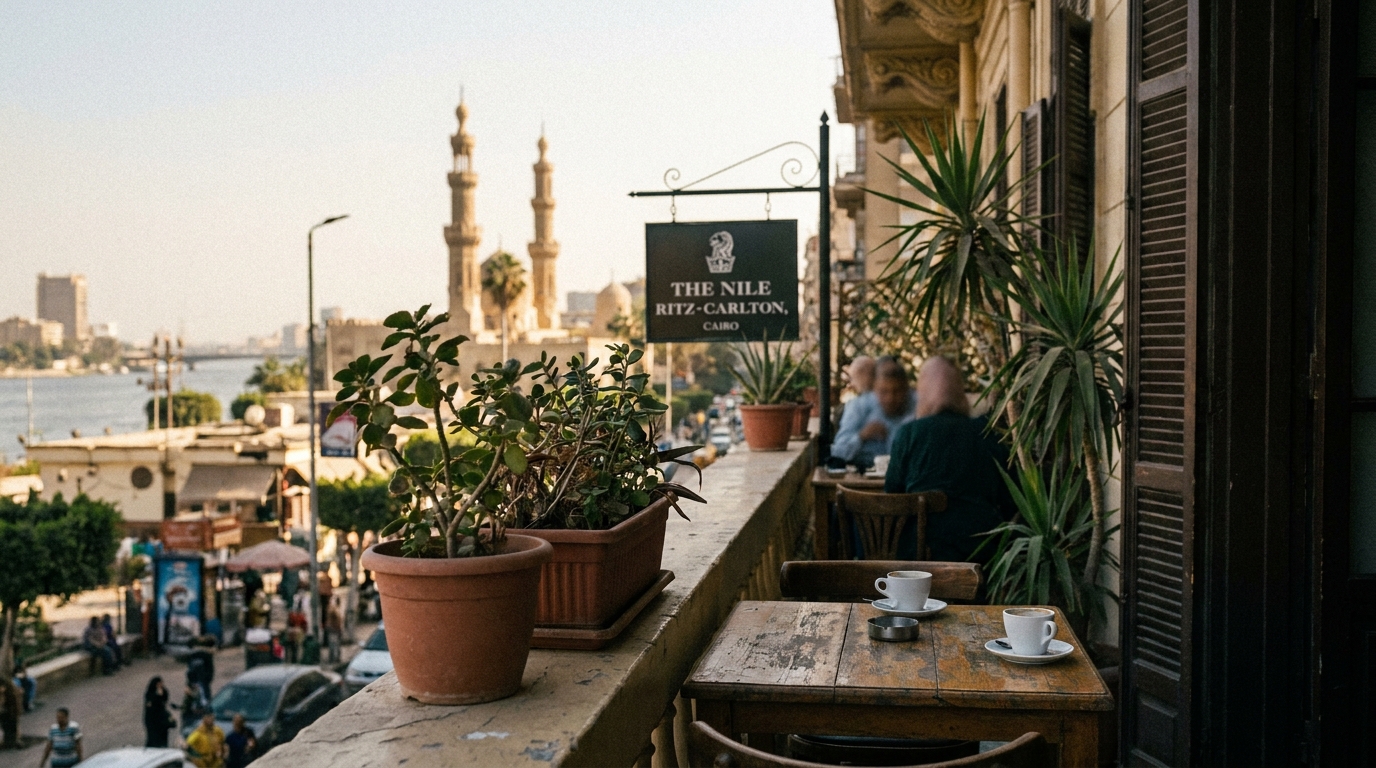
Cairo’s accommodation options range from riverside five-star properties with Nile views to affordable guesthouses in the heart of Islamic Cairo. The neighborhood you choose shapes your entire trip, so we’ll break it down clearly.
Zamalek (Nile island, central) is where we personally base ourselves. It’s quieter than Downtown, walkable for evening strolls, close to embassies and good restaurants, and easy to Uber from. Mid-range hotels here run USD 60–120/night; upscale hits USD 200+. The Cairo Marriott sits on the island in a converted 19th-century palace — rooms from USD 180/night and worth it for the gardens alone.
Downtown Cairo / Tahrir Square puts you within walking distance of the Egyptian Museum and metro connections. It’s noisier and more chaotic, but genuinely convenient. The Kempinski Nile Hotel here offers luxury at USD 220–300/night. Budget travelers do well with the Lotus Hotel (USD 35–55/night, consistently solid reviews).
Giza / Pyramids area: Staying near the Pyramids lets you catch sunrise views before tour buses arrive. The Marriott Mena House — directly adjacent to the Pyramids compound — is one of Egypt’s most iconic hotels, with rooms from USD 250–350/night. The view of the Great Pyramid from the pool is genuinely extraordinary. More affordable options on the Giza plateau run USD 50–80/night.
Islamic Cairo / Al-Azhar area is best for travelers prioritizing authenticity and proximity to the historic mosques and Khan el-Khalili. Options are mostly boutique guesthouses at USD 30–60/night. Standards vary significantly — read reviews carefully on Booking.com before committing.
Check live hotel prices in Cairo
| Neighborhood | Best For | Price Range/Night | Noise Level |
|---|---|---|---|
| Zamalek | Comfort, convenience | USD 60–200+ | Low–Medium |
| Downtown Cairo | Budget, central access | USD 35–120 | High |
| Giza / Pyramids | Pyramid views, sunrises | USD 50–350 | Medium |
| Islamic Cairo | Authenticity, bazaars | USD 30–70 | High |
| New Cairo / Heliopolis | Business, malls | USD 70–180 | Low |
Top Things to Do in Cairo: Sites, Museums, and Experiences
Cairo’s core attractions are world-class in a literal sense — there’s nowhere else on Earth you can stand in front of the last surviving ancient wonder. Here’s what we’d prioritize, with 2026 entry prices.
The Pyramids of Giza and the Sphinx: The complex is the non-negotiable centerpiece of any Cairo trip. General entry (Pyramids + Sphinx area) costs EGP 450 (USD 9) in 2026. Entry to the Great Pyramid’s interior costs an additional EGP 700 (USD 14). Entry to the Solar Boat Museum is EGP 200 extra. We recommend arriving before 7:30 AM to beat tour groups and heat alike. A camel ride offered inside the compound costs EGP 100–200 for a short loop — negotiate before mounting.
The Grand Egyptian Museum (GEM): Opened fully in 2024 after decades of construction, this is now the world’s largest archaeological museum. Entry is USD 30 for the permanent collection; add USD 18 for the Royal Mummies Hall. We’d allocate a full day here — the Tutankhamun galleries alone fill 3–4 hours if you read the labels. The building itself is architecturally exceptional, with a 26-meter atrium housing a full colossus of Ramesses II. Advance ticket booking is strongly advised.
Book GEM entry tickets on Viator
The Egyptian Museum (Tahrir): The old museum in Tahrir Square still holds artifacts not yet transferred to GEM. Entry is EGP 450 (USD 9). It’s less polished than GEM but has a certain raw, overcrowded charm — display cards are inconsistent and some rooms haven’t changed since the 1970s. Worth a half-day if you’re a deep history fan.
Khan el-Khalili Bazaar: Cairo’s famous 14th-century bazaar is still genuinely atmospheric despite heavy tourism. It’s best visited in the morning (9–11 AM) or evening (after 7 PM) when the light is better and the aggressive sales pitches slightly softer. Expect to negotiate on everything — opening prices in tourist stalls are typically 3–5x the final agreed price. The area around the Al-Hussein Mosque and Al-Azhar Mosque is walkable within 15 minutes and architecturally extraordinary.
Coptic Cairo: The cluster of ancient churches, synagogues, and the Coptic Museum in Old Cairo (Mar Girgis metro stop) is genuinely undervisited. Entry to the Coptic Museum costs EGP 200 (USD 4). The Church of the Holy Family — where tradition holds that the Holy Family sheltered — dates to the 3rd century AD. It takes 2–3 hours total.
Nile Felucca Ride: A sunset felucca (traditional sailboat) ride on the Nile costs EGP 100–200 per person for a 1-hour trip, booked directly from the Corniche near the Cairo Tower. Skip the overly commercialized dinner cruises if budget matters — the view is the same from a felucca at a fraction of the price.
See all Cairo experiences on Viator
Getting Around Cairo: Transport Options in 2026
Cairo’s transport ecosystem has genuinely improved. The metro, Careem (Uber), and minibuses now combine to make the city far more navigable than it was five years ago — you don’t need to rely on taxi negotiation if you’re willing to use apps.
Cairo Metro: Three lines, 70+ stations, EGP 8–15 per ride. Line 1 runs north-south through central Cairo; Line 2 links Shubra to Giza; Line 3 connects the airport to Midan Attaba and onward. The cars are single-sex in middle carriages during rush hours (6–9 AM, 3–7 PM) — there are dedicated women’s carriages, with mixed carriages at the front and back. It’s fast, cheap, and the best way to avoid Cairo’s notorious traffic during rush hour.
Careem: The regional ride-hailing app owned by Uber. Download it before arrival and add a card. A typical 20-minute cross-city ride runs EGP 150–300 (USD 3–6). Surge pricing applies during rush hours. We use Careem for virtually all inter-neighborhood trips where luggage is involved.
CTA Bus: Cairo’s public buses are EGP 5–7 but routes are difficult to navigate without Arabic literacy. Not recommended for first-time visitors.
Tuk-tuks: In older residential areas and near the souks, motorized tuk-tuks are a fast, cheap way to cover short distances. EGP 20–50 per trip; negotiate upfront.
Car rental: We’d actively discourage renting a car in central Cairo unless you’re highly confident navigating chaotic urban traffic with limited signage. For day trips to Dahshur, Saqqara, or Memphis, a half-day guided driver (arranged through your hotel or GetYourGuide) makes far more sense at USD 40–80 for the day.
Search Cairo day trip drivers on Discover Cars
Cairo Food Guide: What to Eat and Where
Cairo’s food scene is one of the most underrated in the world. Egyptian cuisine centers on legumes, bread, grilled meats, and mezze-style spreads — it’s hearty, cheap, and excellent at the street level.
Ful and falafel (ta’ameya): The Egyptian breakfast staple. Ful medames (slow-cooked fava beans with cumin, lemon, and olive oil) costs EGP 15–30 at street stalls. Egyptian falafel is made with fava beans rather than chickpeas and is lighter and crispier than the Levantine version. Koshary El Tahrir near Tahrir Square opens at 7 AM and is the right starting point.
Koshary: Egypt’s unofficial national dish — a mix of rice, lentils, macaroni, chickpeas, and fried onions in a tomato-vinegar sauce. A full bowl costs EGP 25–50. Koshary el-Tahrir (multiple Downtown locations) is the most famous chain; Abu Tarek on Champollion Street is the local legend. Expect queues at lunch.
Kebab and kofta: Grilled at open-air restaurants throughout the city. A full kebab/kofta meal with bread, salad, and tahini runs EGP 150–250 (USD 3–5) at local restaurants. Abou Haidar in Mohandiseen is consistently excellent.
Shawarma and sandwiches: Cairo’s street sandwich culture is extraordinary. Hawawshi (spiced minced meat in crispy flatbread) and liver sandwiches are the two worth seeking out — EGP 20–40 each.
Fancy dining: Zamalek has the best mid-range to upscale restaurant scene. Sequoia (Nile-view terrace) is the classic splurge — budget USD 30–50/person including drinks. Kazaz in Giza is excellent for traditional grilled meats at mid-range prices.
Food safety note: Stick to bottled water exclusively (available everywhere, EGP 5–10 per 1.5L bottle). Street food from busy stalls with high turnover is generally safe; avoid produce washed in tap water.
Cairo Travel Costs: What to Budget in 2026
Cairo is one of the most affordable capital cities in the world for Western travelers, thanks to the Egyptian pound’s exchange rate. The EGP has stabilized since 2024’s devaluation at roughly EGP 50 to USD 1.
Budget traveler (hostel/guesthouse, street food, public transport, 2–3 sites/day): USD 35–55/day
Mid-range traveler (3-star hotel, sit-down meals, Careem, guided tours): USD 80–130/day
Comfort/upscale traveler (4–5 star hotel, restaurant dinners, private guides): USD 200–350/day
| Expense Category | Budget | Mid-Range | Upscale |
|---|---|---|---|
| Hotel (per night) | USD 20–40 | USD 70–130 | USD 180–350 |
| Meals (per day) | USD 8–15 | USD 20–40 | USD 60–100 |
| Transport (per day) | USD 2–5 | USD 8–15 | USD 20–40 |
| Attractions (per day) | USD 5–15 | USD 20–40 | USD 50–80 |
| Daily Total | USD 35–55 | USD 80–130 | USD 200–350 |
Money: ATMs are plentiful in Cairo. Withdraw EGP locally rather than exchanging currency at home — rates in Egypt are substantially better. Visa and Mastercard work at major hotels, tourist sites, and upscale restaurants, but street food and bazaars are cash-only. Carry small bills: EGP 20, 50, and 100 notes are most useful.
Tipping culture: Tips (“baksheesh”) are expected in Egypt — it’s not optional etiquette. EGP 20–50 for most service interactions (restaurant servers, toilet attendants, people who help you at sites). EGP 100–200 for day guides. Factor this into your daily budget.
Cairo Safety and Practical Tips for 2026
Cairo is significantly safer for tourists than its regional reputation sometimes suggests. Petty crime — scams rather than violent crime — is the primary concern for visitors. Here’s what we’ve learned over multiple visits.
Scams to know: The “papyrus shop” diversion (a friendly local walks you to their family’s shop), inflated taxi fares without meters, and pyramid camel/horse rides where the agreed price doubles when it’s time to dismount. Counter all of these with the same approach: agree on prices explicitly before committing to any transaction.
Photography: The Pyramids compound, GEM, and most outdoor sites allow photography freely. Inside tombs and the Royal Mummies Hall at GEM, photography is prohibited. Plain-clothes security officers enforce this. Police at key sites are generally helpful and photo-friendly with tourists.
Dress code: Cairo is a conservative Muslim city. For women, covering shoulders and knees is strongly advised at mosques and Islamic monuments; many mosques also provide robes at the entrance. At the Pyramids and street-level, Western tourists typically wear shorts without issue, though we’d recommend modesty as a default.
SIM cards: Buy an Egyptian SIM on arrival at the airport. Vodafone Egypt and Orange are the two best-coverage networks. A tourist SIM with 10–15 GB data costs EGP 100–200 (USD 2–4). Your hotel’s WiFi will be inconsistent — a local SIM is worth the five-minute queue.
Connectivity for calls home: We use Airalo eSIM for pre-trip data as a backup — Egypt eSIM plans start at USD 4.50 for 1 GB. Worth having set up before you land.
Emergency numbers: Police: 122 | Ambulance: 123 | Tourist Police: 126 (English-speaking staff available).
Frequently Asked Questions
How many days do I need in Cairo?
Three to four days covers Cairo’s core attractions comfortably: the Pyramids on day one, GEM and the Egyptian Museum on day two, Islamic Cairo and Khan el-Khalili on day three, with Coptic Cairo and a Nile cruise on day four. Add a fifth day if you want a day trip to Saqqara or the White Desert.
Is Cairo safe for solo female travelers?
Cairo requires more awareness than many Western cities. Solo women should expect verbal attention on the street — persistent but rarely threatening. Use Careem rather than hailing taxis, stick to well-traveled areas at night, and dress modestly. Many solo female travelers visit without incident each year; planning ahead makes a significant difference.
What is the currency in Egypt and how do I get cash?
Egypt uses the Egyptian Pound (EGP). As of mid-2026, USD 1 buys approximately EGP 50. The best exchange rates come from withdrawing EGP at ATMs in Cairo — better than airport exchange desks or home-country exchanges. Major bank ATMs (CIB, HSBC Egypt, Banque Misr) in shopping malls and hotels are most reliable.
Do I need a guide for the Pyramids?
A licensed guide adds real value at the Pyramids — the complex is large, the history is dense, and unofficial vendors inside the compound will fill the information vacuum if you’re alone. Expect to pay USD 30–60 for a 2–3 hour guided tour. We book through GetYourGuide or Viator for vetted guides with verified reviews.
Can I visit Cairo as a day trip from another city?
If you’re based at a Red Sea resort (Hurghada or Sharm el-Sheikh), Cairo is genuinely reachable as a long day trip by domestic flight (45 minutes, EgyptAir from USD 60–90 one way) or bus (5–7 hours). That said, a single day forces rushed choices between GEM and the Pyramids — both deserve more time. Two nights is our minimum recommendation.
What should I wear in Cairo?
Lightweight, breathable clothing is non-negotiable in summer (linen and moisture-wicking synthetics). Year-round, both men and women should carry a light layer for heavily air-conditioned museums. Women should carry a scarf or shawl for mosque visits. Comfortable closed-toe shoes are recommended — Giza’s sandy terrain is hard on sandals.
Is the food in Cairo safe to eat?
Generally yes, with standard precautions. Busy street stalls with high turnover are safe. Avoid tap water, ice at street stalls, and salads at budget restaurants (likely washed in tap water). The mid-range restaurant scene in Zamalek and Downtown Cairo operates at comparable hygiene standards to Southern Europe.
Conclusion: Why Cairo Belongs on Your 2026 Travel List
Cairo is one of those cities that changes your sense of scale — both historically and sensorially. Standing at the foot of the Great Pyramid, you’re confronting an engineering achievement 4,500 years old and still standing. Walking through the Grand Egyptian Museum, you’re seeing artifacts assembled over decades of excavation that redefined human history. Eating koshary on a plastic stool while Cairo’s 22 million residents move around you — that’s travel at its most real.
The practical barriers are lower than most people assume. The e-Visa takes five minutes to apply for. The metro works. Careem is reliable. The pound’s exchange rate means three excellent meals a day costs what a single coffee costs in London.
We’d start with Check live hotel prices — filter by “Nile view” in Zamalek for the best orientation points — and GetYourGuide for the Pyramids and GEM to lock in certified guides before arrival. For getting around beyond the metro, Discover Cars covers day trips to Saqqara and Dahshur if you want the flexibility of your own vehicle with a driver.
Cairo doesn’t ask for perfection. It asks for curiosity. Bring plenty of both.