Things to Do in Ecuador in 2026: 8 Top Picks on a Budget
Disclosure: Some links in this guide are affiliate links. If you book or buy through them, we may earn a small commission at no extra cost to you — it helps keep our guides free.
- Ecuador uses US dollars: no currency exchange needed, and set lunches run about $2.50 to $4.
- Quito sits near 2,850 m: spend your first two days on easy walking before attempting Cotopaxi or Quilotoa.
- Public buses cost about $1 per hour: a highland route with several stops is cheap if you accept slower travel.
- Day tours from Quito run roughly $75 to $100: Cotopaxi and Quilotoa can be combined into one long day for about $95.
- Galapagos is a separate trip: it has its own costs and entry fees, so keep it out of a mainland budget.
At a glance
| Attraction | Entry | Hours | Time needed |
|---|---|---|---|
| Quito Old Town walking tour | $40 to $53 | Half day to full day | |
| Cotopaxi National Park day tour | $75 to $100 | About 9 hours | |
| Cajas National Park (half or full day) | $42 to $58 | Half or full day | |
| Amazon lodge stay | $160 to $325 per person | 3 days |
The best things to do in Ecuador are a UNESCO-listed Quito Old Town, a day around Cotopaxi volcano, the waterfalls and adventure sports of Banos, colonial Cuenca, the Quilotoa crater lake, Otavalo’s Saturday market, and a few nights in the Amazon. Most of it sits in the Andean highlands, and the whole country runs on the US dollar.
That second point matters for your wallet. No exchange fees, no currency math, and buses cost about $1 per hour of travel. One budget travel blog puts a frugal day at about $31 per person, though the author admits the figure may be dated. This guide gives practical timing, rough prices, and altitude advice so you can plan a trip without overspending.
Many visitors flying into Quito feel great at the airport and terrible by dinner. A pounding headache, short breath on one flight of stairs, and a very early night. We spent the next day wandering the Old Town at a snail’s pace, drank a lot of water, and by day three we were fine. I’d do the same again: sleep low, walk slow, and save the big volcano day for later.
What Are the Best Things to Do in Ecuador?
Ecuador packs volcanoes, colonial cities, cloud forest, and rainforest into a country roughly the size of Colorado, so a first trip works best when you pick a region and go deep. Most visitors start in Quito, then loop south through the Andes or drop east toward the Amazon. Prices are low, but altitude changes everything.
Here is the short list we recommend for first-timers:
- Quito Old Town: UNESCO-listed colonial center, free to wander.
- Cotopaxi National Park: one of the world’s highest active volcanoes, about 5,897 m.
- Banos: waterfalls, hot springs, and adventure sports at lower altitude.
- Cuenca: a calmer colonial city, plus Cajas National Park nearby.
- Quilotoa: a crater lagoon and traditional Andean villages.
- Otavalo market: one of the largest indigenous markets in the country, biggest on Saturdays.
- Mindo and the Amazon: birdlife in cloud forest, then jungle lodges.
Which Things to Do in Ecuador Are Worth Your Time?
Plan around eight experiences, and you will cover the highlights without rushing. Most take half a day to a full day, and many can be done independently with a bus ticket. Operator-run day tours from Quito generally cost between $40 and $100 depending on distance, and they help when public transport is thin.
1. Quito Historic Center
Quito’s Old Town is the best place to begin because it is free, walkable, and lets you acclimatize. Budget a half day to a full day. Key stops include the Basilica del Voto Nacional, plazas lined with colonial churches, and small chocolate shops where you can taste cacao grown in the lowlands.
A guided walking tour that combines history and food runs roughly $40 to $53 (operator pricing, 2026), and it is a good use of money on day one. Go on a weekday morning for fewer crowds. It suits almost everyone, including families and anyone who just landed.
2. Cotopaxi National Park
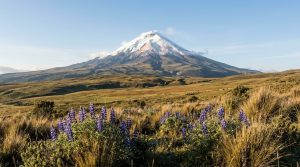
Cotopaxi is the postcard volcano, and the park is a highlight even if you never climb. Expect volcano views, the Limpiopungo Lagoon, and a hike toward the Jose Ribas refuge. The refuge sits high, so only attempt it after a few days at altitude.
Day tours from Quito take about nine hours and run roughly $75 to $100. The park can be visited all year, although some sources point to November through February for the best outdoor conditions. Bring layers, sunscreen, and a windproof jacket. It suits active travelers who have already adjusted to the altitude.
3. Banos Adventure Town
Banos is where Ecuadorians go for a weekend, and it is a good reset after the cold highlands. It sits lower, around 1,800 m, so the air feels thick and warm in comparison. The draw is the waterfall route, thermal baths, canyoning, and the Casa del Arbol swing with its famous view.
A full-day trip from Quito, including the Pailon del Diablo waterfall, costs about $95, with lunch and zip-lining extra. If you have the time, base yourself in town for a night or two instead. It suits adrenaline seekers and anyone who wants a gentler altitude. Seasonal timing for Banos is not clearly established, so check conditions before booking.
4. Cuenca and Cajas National Park
Cuenca is the calm counterpoint to Quito, with a UNESCO-listed colonial center, river walks, and a slower pace. Give it two nights. Wander the plazas, visit the cathedral, and sample local cafes at lunch prices that rarely top a few dollars.
Cajas National Park is the main day trip, with lakes and high moorland trails. A half-day tour costs about $42 and a full day about $58 (operator pricing, 2026). The Inca and Canari ruins at Ingapirca are another option, with a private tour around $97. It suits history fans and hikers who prefer quieter places.
5. Quilotoa Loop and Lagoon
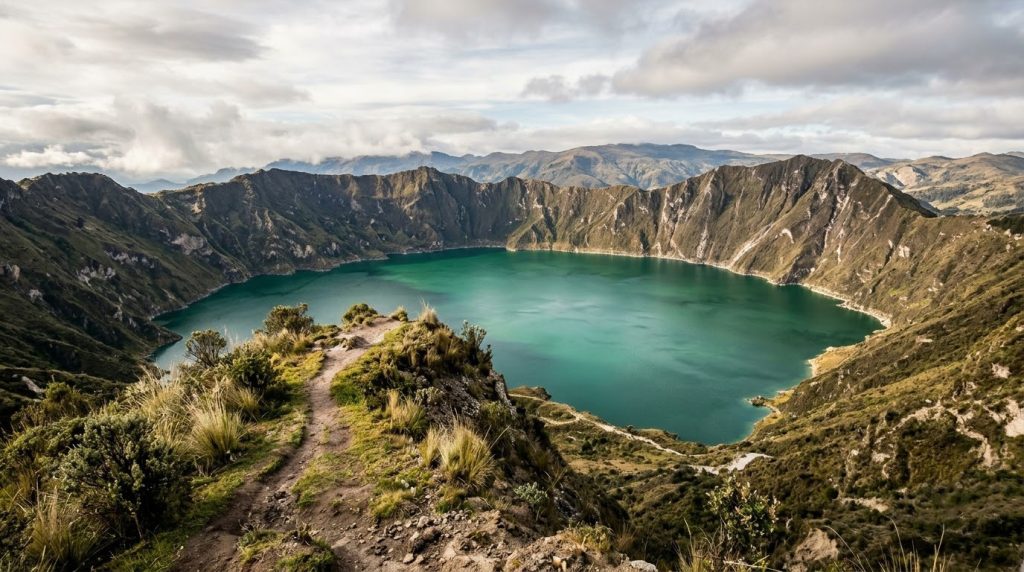
The Quilotoa crater lake is a vivid, deep-green lagoon in a volcanic caldera, reached through small Andean villages. You can do it as a day tour combined with Cotopaxi for about $95, or hike the multi-day Quilotoa Loop between villages, usually about three days.
One operator lists May through September and December as the best months, which fits the drier highland season. Bring cash, since the villages have few ATMs, and expect cold nights. It suits independent hikers who like simple guesthouses and long walks. If you only have a day, the combined tour is the cheapest option per sight.
6. Otavalo Market
Otavalo hosts one of the largest indigenous markets in the country, and Saturday is the big day. Stalls sell textiles, woven goods, and crafts, with animal and produce sections nearby. Allow a half day, and arrive early for the best selection.
Bargaining is normal, but keep it friendly and fair. Prices are already low, and the sellers are often the makers. It is an easy bus ride north of Quito, so many travelers go without a tour. It suits shoppers, photographers, and anyone who wants a taste of daily highland life.
7. Mindo Cloud Forest
Mindo is a short trip from Quito and famous for birdlife, with more than 600 bird species recorded in the area. It also offers waterfalls, butterfly gardens, and chocolate tours. It suits bird-watchers and travelers who want green and warm after the cold Andes.
Most visitors stay one night or come for a long day. Early morning is the best time for birds. Rain can fall at any time in cloud forest, so pack a light rain jacket.
8. Amazon Lodge Stay
The Amazon is the most distinctive part of Ecuador, and a lodge stay gives you guided walks, canoe trips, and wildlife you won’t find in the highlands. Yasuni and Cuyabeno are the names most often mentioned. A three-day mid-range lodge stay costs about $160 to $325 per person, all-in (approximate, check current rates).
The region is hot all year, and rain can fall in any month. Aug through December is often suggested as a good window, although conditions vary. It suits nature lovers who don’t mind humidity and basic comfort.
How Do You Handle Altitude in Ecuador?
Altitude is the main health risk on a mainland Ecuador trip, because Quito sits near 2,850 m and many highland sights go higher. Quilotoa’s rim is above 3,500 m, and Cotopaxi reaches about 5,897 m at the summit. Symptoms include headaches, nausea, and poor sleep, and they usually improve with rest and time.
| Place | Approximate altitude | Suggested timing |
|---|---|---|
| Banos | about 1,800 m | Any time, good for a gentle start |
| Cuenca | about 2,500 m | After a night or two in Quito |
| Quito | about 2,850 m | Day 1 to 2, easy walking |
| Quilotoa rim | above 3,500 m | After 3 or more days at altitude |
| Cotopaxi park | roughly 3,500 to 4,800 m | After 3 or more days at altitude |
Source: national tourism board and general geographic references, 2026
Our tips are simple. Spend the first two days in Quito, drink plenty of water, skip heavy meals and alcohol on arrival, and sleep lower when you can. Banos or the Amazon are good places to recover. If a headache persists or worsens, descend and see a doctor. Ask your own physician about altitude medication before you travel.
How Much Does It Cost to See Ecuador?
Ecuador is among the cheaper countries in South America, mostly because the dollar economy and local food prices are low. One travel budget blog estimates about $31 per person per day for a frugal traveler, though the author notes it may be dated. Set lunches cost about $2.50 to $4, and buses about $1 per hour.
| Item | Approximate cost (USD) | Notes |
|---|---|---|
| Set lunch (almuerzo) | $2.50 to $4 | Soup, main, and juice |
| Public bus | about $1 per hour | Slower than tours |
| Quito walking tour | $40 to $53 | Food and history |
| Cotopaxi day tour | $75 to $100 | About 9 hours from Quito |
| Banos day trip from Quito | about $95 | Lunch and zip-line extra |
| Cajas half or full day | $42 to $58 | From Cuenca |
| Amazon lodge, 3 days | $160 to $325 per person | Mid-range, all-in |
Source: operator pricing and traveler budget reports, 2026
These are approximate and change with season and demand. If you want to stretch your budget, eat the set lunch every day, take buses between cities, and book only one or two guided tours for the places that are hard to reach independently.
How Can You Save Money in Ecuador?
The biggest savings come from eating where locals eat, riding buses, and choosing tours carefully. A set lunch at $2.50 to $4 can easily replace a restaurant meal that costs three times as much, and buses charge about $1 per hour of travel, so even a long highland leg stays cheap.
A few more habits help:
- Combine sights: a Cotopaxi and Quilotoa day for about $95 beats two separate tours.
- Go independent for Otavalo and Banos: buses and local taxis work fine.
- Carry small bills: change for $20 notes can be hard to find in small towns.
- Haggle gently at markets: a small discount is normal, a big one is rude.
- Use dollars: you avoid card fees and exchange rates entirely.
For the weather side of planning, see our guide to the best time to visit Ecuador. Sources disagree a bit, but June to September is generally the drier highland period, and it is also the busiest.
What About the Galapagos Islands?
The Galapagos are a separate trip with their own entry costs, flights, and logistics, so we don’t mix them into a mainland itinerary. Visitors pay a park fee on arrival that sources list at about $200 for non-Ecuadorian adults, plus a transit control card of about $20 (approximate, verify with the park authority).
If wildlife is your main goal, consider treating the islands as a dedicated trip rather than an add-on. A mainland itinerary of ten to fourteen days already fills a calendar, and rushing both usually costs more and delivers less.
Find your Ecuador hotel on the map
Live prices from Booking, Airbnb and more — move the map or change dates to compare stays across Ecuador.
Frequently Asked Questions
How many days do you need in Ecuador?
Plan 7 to 10 days for the highlights: Quito, Cotopaxi, Banos, and one of Cuenca or the Amazon. Two weeks gives you room for Quilotoa, Otavalo, and Mindo without rushing. Add extra days at the start for altitude adjustment if you are sensitive to it.
Is Ecuador cheap to visit?
Yes, compared with most of the Americas. The country uses US dollars, set lunches run about $2.50 to $4, and buses cost about $1 per hour. One budget blog estimates about $31 per day for frugal travelers, though that figure may be dated. Tours and Amazon lodges raise the total.
Do you need a guide for Cotopaxi?
You can visit the lower park areas on your own, but a day tour from Quito is easier and costs about $75 to $100. For the hike toward the Jose Ribas refuge, a guide helps with transport, timing, and altitude. Climbing the summit requires a certified guide and experience.
What is the best way to get around Ecuador?
Buses are cheap and cover most routes, at about $1 per hour. They suit travelers with time. Tours and private drivers cost more but save hours, especially for Cotopaxi, Quilotoa, and Cajas. Many people mix the two: buses between cities, tours for remote sights.
Is altitude sickness a problem in Ecuador?
It can be. Quito sits near 2,850 m, and other highland sights go higher. Spend your first two days resting and walking slowly, drink water, and avoid alcohol early on. If symptoms are severe or persistent, descend and seek medical advice.
Ecuador rewards travelers who take it slowly: start in Quito, let your body adjust, then add one or two volcano and market days before you head to the cloud forest or Amazon. With dollars in your pocket and a $2.50 lunch most days, it is one of the easiest places in South America to stretch a budget. Check the best time to visit Ecuador before you book, and bring layers.