Best Time to Visit Ecuador in 2026: Andes, Coast and Amazon
Disclosure: Some links in this guide are affiliate links. If you book or buy through them, we may earn a small commission at no extra cost to you — it helps keep our guides free.
- Andes: the driest, clearest months are roughly June to September, which is also peak season with the biggest crowds.
- Coast: expect hot, humid and wet weather from December to May, with calmer, cooler and drier months from June to November.
- Amazon: it’s hot and rainy in every month, so choose your dates by price and river levels, not by a dry season.
- Cotopaxi: it can be visited year-round, and day tours from Quito start at about $75 (operator pricing, 2026).
- Money tip: shoulder months like May, October and November often mean fewer crowds and easier bookings in the highlands.
The best time to visit Ecuador depends on where you’re going, because the country runs three different climates at once. For the Andes (Quito, Cotopaxi, Cuenca, Quilotoa), aim for the dry season from roughly June to September. The coast is hottest and wettest from December to May. The Amazon is wet all year.
If you read a few guides, you’ll notice they disagree. One says June to September, another says August to December, and a third pushes March and April. They’re not wrong, they’re each describing a different region. This guide splits the answer by region so you can match the season to your itinerary, and it flags where prices and crowds rise and fall.
A common mistake is booking everything around the Quito forecast and assuming the rest of the country will match. It didn’t. I left Quito under clear skies, then spent a drizzly week on the lowland side of the mountains. Since then I plan by region first and by month second, and my trips have gone much more smoothly.
When is the best time to visit Ecuador overall?
For most first-time visitors, June to September is the best overall window because the Andes are at their driest and clearest. That’s also when most travelers arrive, so expect higher prices and busier tours. Many guides, including those from major adventure operators, describe June to September as dry for the highlands and peak season for visitors.
Ecuador sits on the equator, so temperatures barely change through the year. What changes is rainfall. Quito, at about 2,850 meters (9,350 feet), stays in the 50s to 70s F (roughly 10 to 21 C) in nearly every month. Pack layers whatever the date.
Here’s how I’d summarize it:
- Best overall: June to September for the Andes and most itineraries.
- Best for fewer crowds: May, October and November.
- Best for coastal beach time: December to May if you want heat, June to November if you prefer calmer weather.
- Best for the Amazon: any month works, with August to December suggested by some operators.
For ideas on what to do once you’ve picked a window, see our guide to things to do in Ecuador.
What is the weather like in Ecuador by region?
Ecuador’s weather splits into the Andes, the Pacific coast and the Amazon basin, and each follows its own calendar. The highlands are dry roughly June to September and wetter the rest of the year. The coast is wet and hot from December to May. The Amazon gets rain in every month, with a slightly drier stretch late in the year.
| Region | Best months | Wetter months | Typical feel | Good for |
|---|---|---|---|---|
| Andes (Quito, Cotopaxi, Cuenca, Quilotoa) | June to September | October to May | Cool days, cold nights, strong sun | Hiking, volcano views, colonial cities, markets |
| Pacific coast | June to November | December to May | Hot and humid in the wet season, cooler and often overcast in the dry season | Beaches, surfing, coastal towns |
| Amazon (Cuyabeno, Yasuni, Napo) | Any month; some operators favor August to December | Rain possible all year | Hot, humid, sudden downpours | Wildlife, lodge stays, river trips |
Source: national weather service and regional tour operator guidance, 2026
Think of the table as a starting point, not a promise. Microclimates are real in the mountains, and a clear morning can turn cloudy by early afternoon. Plan big views for the morning.
How reliable is the Andean dry season?
The dry season in the Andes is a tendency, not a guarantee. In our experience, even in July you’ll see afternoon clouds on the high volcanoes, and short showers aren’t unusual in the wetter months either. The practical rule: start early, keep a rain layer in your daypack, and leave a spare day for peaks like Cotopaxi.
What is the best time to visit the Andes: Quito, Cuenca and Quilotoa?
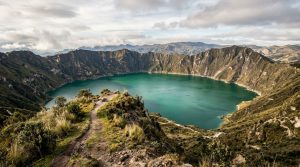
The best time for the Andes is June to September, when rain is least likely and mountain views are sharpest. This is also peak season with dense crowds in Quito and on popular day trips. One operator lists the Quilotoa Loop as best from May to September and in December, which matches the drier pattern.
Quito’s UNESCO-listed Old Town, its basilica and its chocolate and food tours work in every season, so they’re easy to pair with changing weather. Cuenca and Cajas National Park are cooler and can be damp, so bring a rain shell even in the dry months.
If you’re short on time, here’s how I’d use the seasons:
- June to September: best for multi-day hikes, long volcano days and clear photos.
- October to November: fewer travelers, greener hills, and a good time to negotiate on lodging.
- December to January: a short dry spell for some highlands, and Quilotoa is still workable.
- February to May: wetter, quieter and cheaper, with better odds for city days and markets.
Otavalo’s big market runs on Saturdays year-round, so it doesn’t depend on the season. Go early to beat the tour buses.
When can you hike Cotopaxi, and what are the conditions?
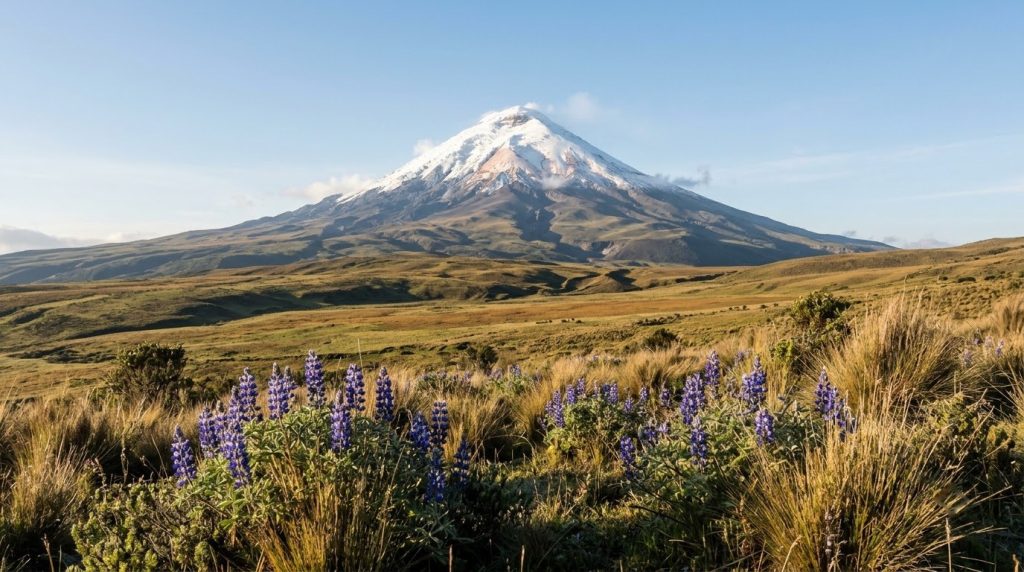
You can visit Cotopaxi National Park year-round, but conditions vary by month. Day tours from Quito that cover the volcano, Limpiopungo Lagoon and the hike toward the Jose Ribas refuge start at about $75 (operator pricing, 2026). Clearer skies are most likely in the dry months, while some sources point to November to February for outdoor days.
The refuge sits near 4,800 meters (about 15,700 feet), so altitude is the real challenge, not the trail. Spend at least two days in Quito first. Park access can change if the volcano is active, so confirm with your operator before you go.
What should you expect from weather on the volcano?
Expect wind, cold and fast-changing cloud at any time of year. On a typical dry-season morning you may see the cone clearly by 7 or 8 a.m., then lose it by noon. In the wetter months, the summit often stays hidden, though the grasslands and lagoon remain scenic.
A few practical tips:
- Book a morning departure from Quito so you reach the park early.
- Dress in layers, add gloves and a hat, and use sunscreen at altitude.
- If your trip is short, book Cotopaxi first and keep the next day flexible.
- A combined Cotopaxi and Quilotoa day runs about $95 (operator pricing, 2026), which can save money versus two separate tours.
When is the best time for the coast and the beaches?
The coast is hottest and wettest from December to May, so many beach travelers go then for the heat. From June to November it’s drier, cooler and often overcast, which suits surfers and anyone who dislikes humidity. Choose by what you want from the coastline, not by the Andean calendar.
If you plan to combine highlands and coast, remember that the best months don’t line up. The Andes are driest in June to September, a time when the coast tends to be cooler and cloudier. That’s a trade-off most itineraries have to accept.
Coastal prices tend to rise on school holidays and long weekends, so book ahead if you travel then. I’d skip the peak of the wet season if you’re sensitive to humidity or plan lots of road travel, since heavy rain can slow buses.
Is the Amazon worth visiting in the rainy season?
The Amazon is hot and rainy in every month, so there’s no true dry season to chase. Some operators suggest August to December as a more comfortable window, but wildlife is active all year. A three-day mid-range lodge stay runs about $160 to $325 per person all-in (approximate, check current rates).
Rain affects water levels, which changes how you get around. Higher water can open more canoe routes, while lower water can mean more walking. Either way, bring a light rain jacket, quick-dry clothing and insect repellent.
Mindo’s cloud forest, known for birdlife with 600-plus species, sits on the western slope of the Andes rather than in the Amazon. It’s an easy side trip from Quito and works in most months, though trails are muddier when it’s wet.
What about the Galapagos?
The Galapagos have their own seasonal pattern, with warmer seas and calmer conditions in the first half of the year and cooler, nutrient-rich waters later. Because the islands run on a different calendar from the mainland, plan them as a separate trip rather than fitting them into this one. Check the official park site for current fees and entry rules before you book.
What are the price seasons and crowds in Ecuador?
Prices and crowds peak from June to September, when the Andes are driest and most visitors arrive. Shoulder months and the wetter season usually mean easier bookings and lower rates on lodging and tours. Ecuador uses US dollars, and one budget estimate puts a backpacker day at about $31 (approximate, may be dated).
| Period | Andes weather | Crowds | Price level | Best use |
|---|---|---|---|---|
| January to February | Mixed, some dry spells | Moderate | Mid | Quilotoa, city days |
| March to May | Wetter | Low | Lower | Budget trips, Cuenca, markets |
| June to September | Driest and clearest | High | Highest | Hiking, Cotopaxi, big views |
| October to November | Greener, showers | Low to moderate | Lower | Value trips, Amazon |
| December | Short dry spell in places | Moderate | Mid, holiday bumps | Quilotoa, family travel |
Source: operator pricing and national tourism board guidance, 2026
Here’s how to save money without losing the good weather:
- Book Cotopaxi in the shoulder months: you’ll usually find more tour options and easier rates.
- Eat set lunches: local almuerzos often cost about $2.50 to $4 (approximate).
- Take buses: intercity buses run about $1 per hour of travel (approximate).
- Combine tours: pair Cotopaxi with Quilotoa, or Banos with the waterfall route, to share transport costs.
Banos day trips from Quito run about $95, with lunch and zip-line extras (operator pricing, 2026). The town works in most months, though waterfall viewpoints are most dramatic after rain. For a full list of stops to build around your dates, check our things to do in Ecuador guide.
How should you plan your trip by month?
Match your top priority to the season, then book the long-lead items first. If views and hiking matter most, go June to September. If budget matters most, go October, November or March to May. If the beach is your goal, head to the coast from December to May.
A simple planning order works well:
- Pick your main region: Andes, coast or Amazon.
- Choose your months using the tables above.
- Book Quito flights and any lodge stays first.
- Add day tours once you know the weather outlook.
- Keep one flexible day for Cotopaxi or any high-altitude plan.
Remember that altitude, not rain, causes the most trip-ruining problems. Give yourself two days in Quito before doing anything strenuous, drink plenty of water, and take the first day slowly.
Frequently Asked Questions
What is the cheapest month to visit Ecuador?
Prices are usually lower in the wetter, quieter months such as March to May and October to November. You’ll often find easier bookings and better lodging deals outside June to September. Costs also rise around holidays, so check dates before you commit.
Is it ever a bad time to visit Ecuador?
There’s no truly bad month, only a mismatch between region and season. The wetter Andes months can hide volcano views, and the coast gets very hot and rainy from December to May. Build in flexibility and you can enjoy Ecuador in any month.
When is the best time to visit Quito?
Quito is pleasant year-round because of its equatorial location and high altitude. The driest months run roughly June to September, which are also the busiest. Mornings are usually clearer, and afternoons can bring clouds or showers at other times.
Can you climb or hike Cotopaxi all year?
Yes, Cotopaxi can be visited all year, with clearer skies more likely in the dry months. Some sources favor November to February for outdoor activity. Conditions on the volcano and park access can change, so confirm with your operator the day before.
When should I go to the Amazon in Ecuador?
The Amazon works in every month because it’s hot and rainy year-round. Some operators suggest August to December. A three-day mid-range lodge trip runs about $160 to $325 per person (approximate, check current rates).
Find your Ecuador hotel on the map
Live prices from Booking, Airbnb and more — move the map or change dates to compare stays across Ecuador.
Plan Your Ecuador Dates
Pick your region first, then your month. Go June to September for Andean views, December to May for hot coastal days, and any month for the Amazon. If you’re watching your budget, the shoulder months give you the best mix of weather and price. Once your dates are set, use our guide to things to do in Ecuador to fill in the days.