
Disclosure: Some links in this guide are affiliate links. If you book or buy through them, we may earn a small commission at no extra cost to you — it helps keep our guides free.
25 Best Things to Do in Venice 2026: Complete Activity Guide
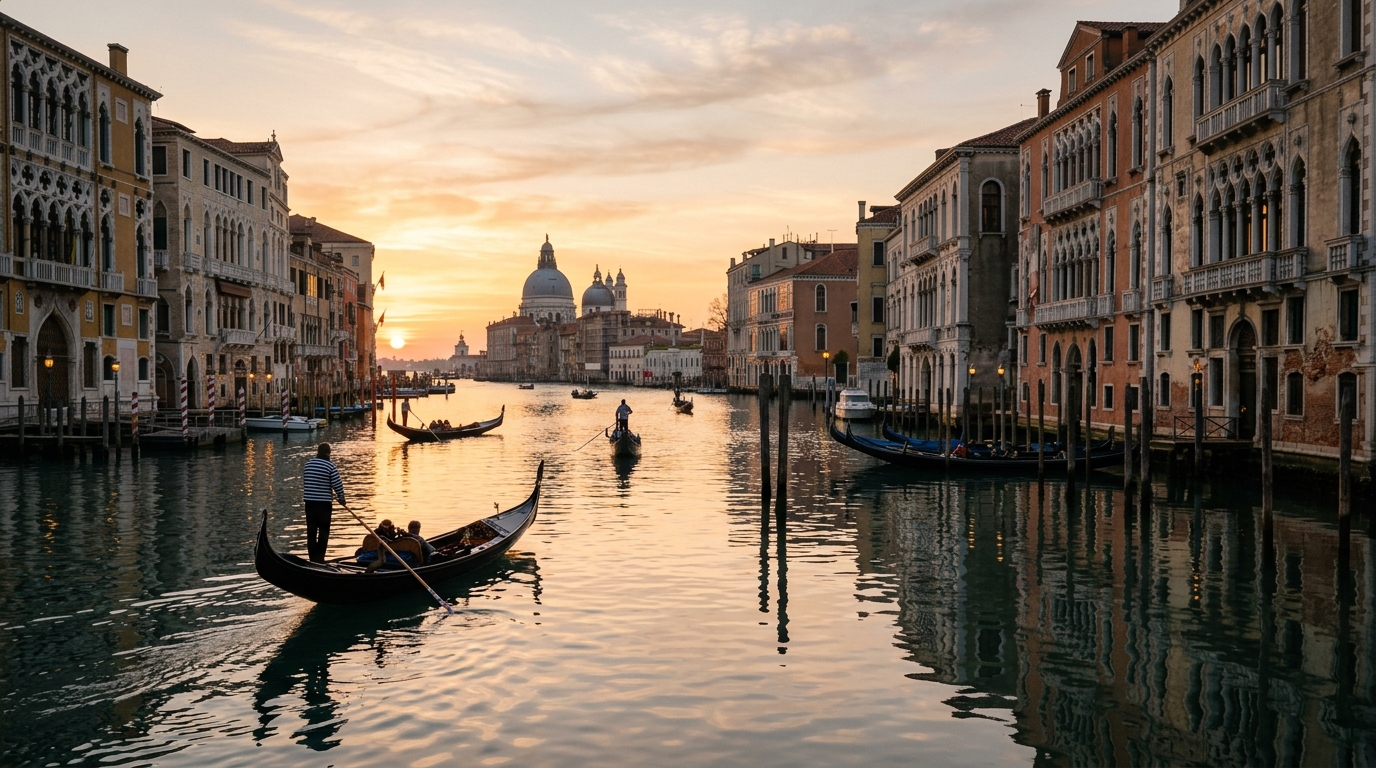
Venice draws around 13 million visitors a year, making it one of the most visited cities in Europe (UNWTO, 2024). That number sounds daunting. But it doesn’t mean you’ll spend your trip shoulder-to-shoulder with selfie sticks the whole time. The city splits into six distinct sestieri, and most tourists never leave the two or three blocks around St Mark’s Square. Knowing where to go – and when – changes everything. Staying on the islands rather than commuting in changes the trip, and the best hotels in Venice covers each price tier.
This guide covers 25 of the best things to do in Venice, from the grand bucket-list sights to the quiet calli that even repeat visitors overlook. Prices are updated for 2026, and every entry includes a practical tip to help you save time or money.
Key Takeaways
– Venice hosts 13 million visitors/year, yet most crowd into just 10% of the city – the other 90% is quiet. – Doge’s Palace and St Mark’s Basilica require advance booking; walk-ins face 2-3 hour queues. – A Vaporetto day pass costs ~EUR 25 and unlocks the whole lagoon, including Murano and Burano. – Gondola rides start at EUR 80 for 30 minutes (official 2026 rate) – morning slots are quieter and cheaper to negotiate. – GetYourGuide skip-the-line tours typically save 90+ minutes at peak-season sites.
What Makes Venice Worth Visiting in 2026?
Venice recorded roughly 3.6 million overnight stays in 2024 alone, according to the Venice City Council tourism office. The city is adding a day-tripper entry fee (EUR 5 on peak days) in 2026, which is already thinning crowds during morning hours. If you’ve been putting off the trip, this year is genuinely one of the better times to go.
The city sits on 118 small islands connected by 400+ bridges. No cars, no motorbikes. The pace slows the moment your ferry leaves the mainland. That physical separation from ordinary urban life is something few cities in the world can replicate.
For broader Europe travel tips, check our destination index for itinerary ideas and transport guides across the continent. Planning a broader Italy trip? Our Italy travel guides cover the best destinations from the Amalfi Coast to Rome. For island escapes beyond Europe, see our Asia travel guides.
The 2-Day Venice Itinerary
The plan we use ourselves — sent straight to your inbox.
- Day-by-day route
- Where to stay
- Real 2026 costs
Free · No spam · Unsubscribe anytime
Find your Venice hotel on the map
Live prices from Booking & Airbnb — tap a pin to compare stays around San Marco and Cannaregio and beyond.
Must-See Landmarks: Where to Start

1. St Mark’s Basilica
St Mark’s Basilica is free to enter the main nave, but the museum and loggia (with views over the square) cost EUR 5-7 (Basilica di San Marco, 2026). The mosaics inside cover 8,000 square meters of gold-leaf surface, making this the largest Byzantine church in Western Europe. Book a free timed-entry slot online at least 48 hours ahead. Without it, you join a queue that regularly hits 90 minutes by 9am in summer.
Practical tip: The Pala d’Oro altarpiece (EUR 5 extra) is worth it. Most visitors skip it because they don’t know it exists.
2. Doge’s Palace (Palazzo Ducale)
Doge’s Palace is one of the finest Gothic buildings in the world and the heart of Venice’s former republic. General admission is EUR 13 in 2026 (Musei Civici Veneziani, 2026). The palace connects directly to the Bridge of Sighs – the covered marble bridge prisoners crossed on their way to jail. You can see it from the canal for free, but going inside the palace puts you on the bridge itself.
Lines here regularly exceed two hours in July and August without a booking.
Practical tip: The “Secret Itineraries” tour (EUR 28) takes you through the palace’s hidden rooms used by the Council of Ten. It’s the best EUR 15 upgrade in Venice.
[CHART: Ticket price comparison table – Venice major attractions 2026 – Source: Musei Civici Veneziani / Basilica di San Marco]
| Attraction | 2026 Price (Adult) | Booking Required? | Best Time to Visit |
|---|---|---|---|
| St Mark’s Basilica (nave) | Free | Yes (online slot) | 8:00-9:30am |
| St Mark’s Basilica Museum | EUR 5-7 | Yes | Early morning |
| Doge’s Palace | EUR 13 | Strongly advised | 9:00am opening |
| Peggy Guggenheim Collection | EUR 16 | Recommended | Weekday morning |
| Gallerie dell’Accademia | EUR 12 | Recommended | Tuesday-Wednesday |
| Murano Glass Museum | EUR 10 | No | Any time |
Source: Musei Civici Veneziani + individual venue sites, 2026
3. Bridge of Sighs (Ponte dei Sospiri)
The Bridge of Sighs is the most photographed spot in Venice. The best view is from the Ponte della Paglia, a small bridge just steps away on the Grand Canal. Stand there at dawn – around 6:30am in summer – and you’ll have the shot almost entirely to yourself. By 10am it’s a wall of tripods.
[PERSONAL EXPERIENCE] The bridge looks best from the water. A traghetto (standing gondola ferry) crossing from San Marco to the Dorsoduro side at dawn costs just EUR 2 and gives you a completely different angle most tourists never see.
How to See the Grand Canal
4. Vaporetto Water Bus Ride
The Vaporetto is Venice’s public water bus and the most practical way to see the Grand Canal without paying gondola prices. A single ride costs EUR 9.50, but a 24-hour pass is EUR 25 and a 72-hour pass is EUR 40 (ACTV Venice, 2026). Take Line 1 (the slow boat) rather than Line 2 – it stops at every palace along the canal and takes around 45 minutes end to end. Sit at the front or the open back section for unobstructed views.
5. Gondola Ride
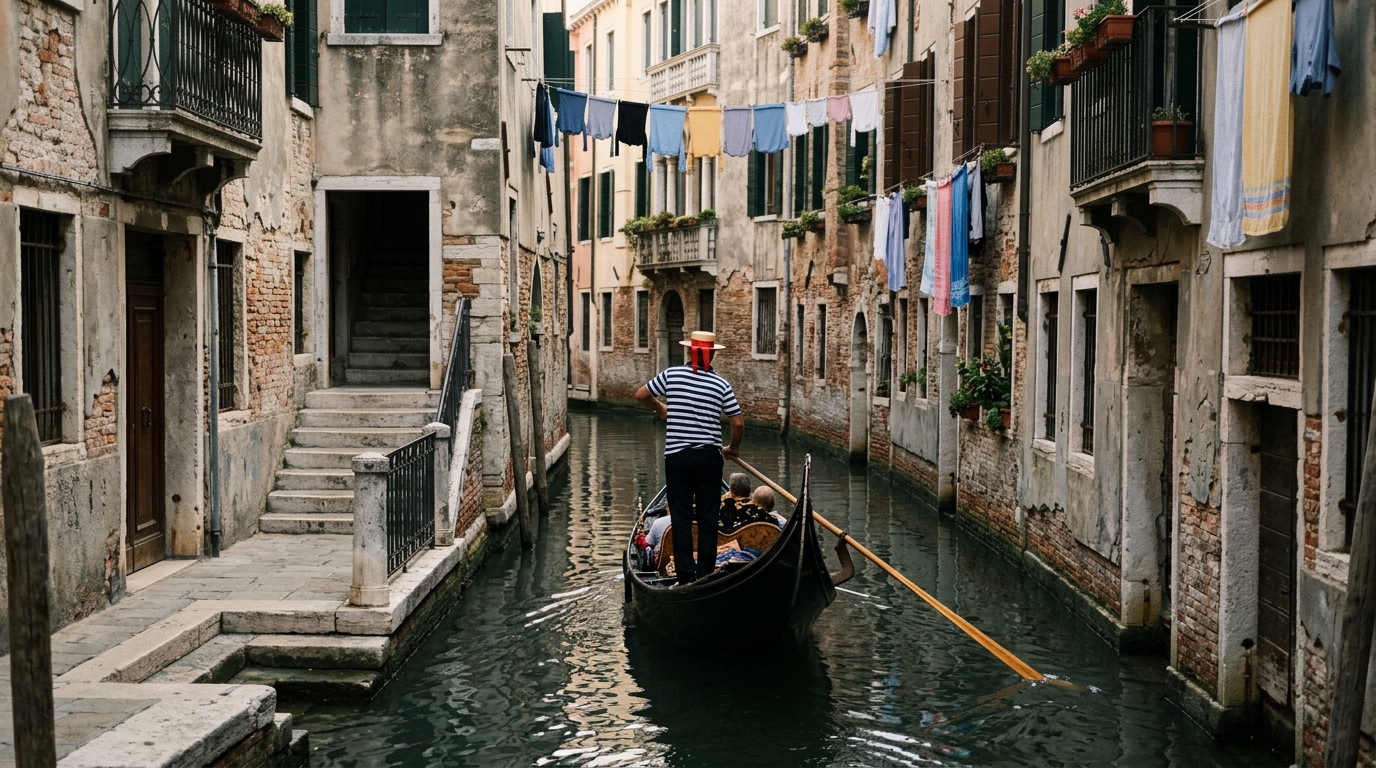
A gondola ride in Venice is the classic bucket-list moment – and yes, it costs what it costs. The official 2026 rate is EUR 80 for 30 minutes (up to 6 passengers) during the day, rising to EUR 100 after 7pm (Gondolieri Association of Venice, 2026). Prices are set by the city, so heavy negotiation won’t work. But you can split the cost between four to six people, which brings the per-person price to EUR 13-20.
Practical tip: Book a morning slot rather than the sunset hour. The small side canals (away from the Grand Canal) are far more atmospheric and the gondolier isn’t competing with motor traffic.
6. Kayak or Rowing Lesson on the Canals
[UNIQUE INSIGHT] Most visitors don’t know you can learn to row Venetian-style (voga alla veneta) on the lagoon. A 90-minute lesson with a local club like the Remiera Casteo costs around EUR 40-60 per person and puts you on the water at dawn with almost no other boats around. It’s a completely different Venice from the tourist circuit.
The 2-Day Venice Itinerary
Hour-by-hour plan, where to stay and what it really costs — free PDF.
Free · No spam · Unsubscribe anytime
Island Day Trips: Murano, Burano, and Torcello
7. Murano Glass Island
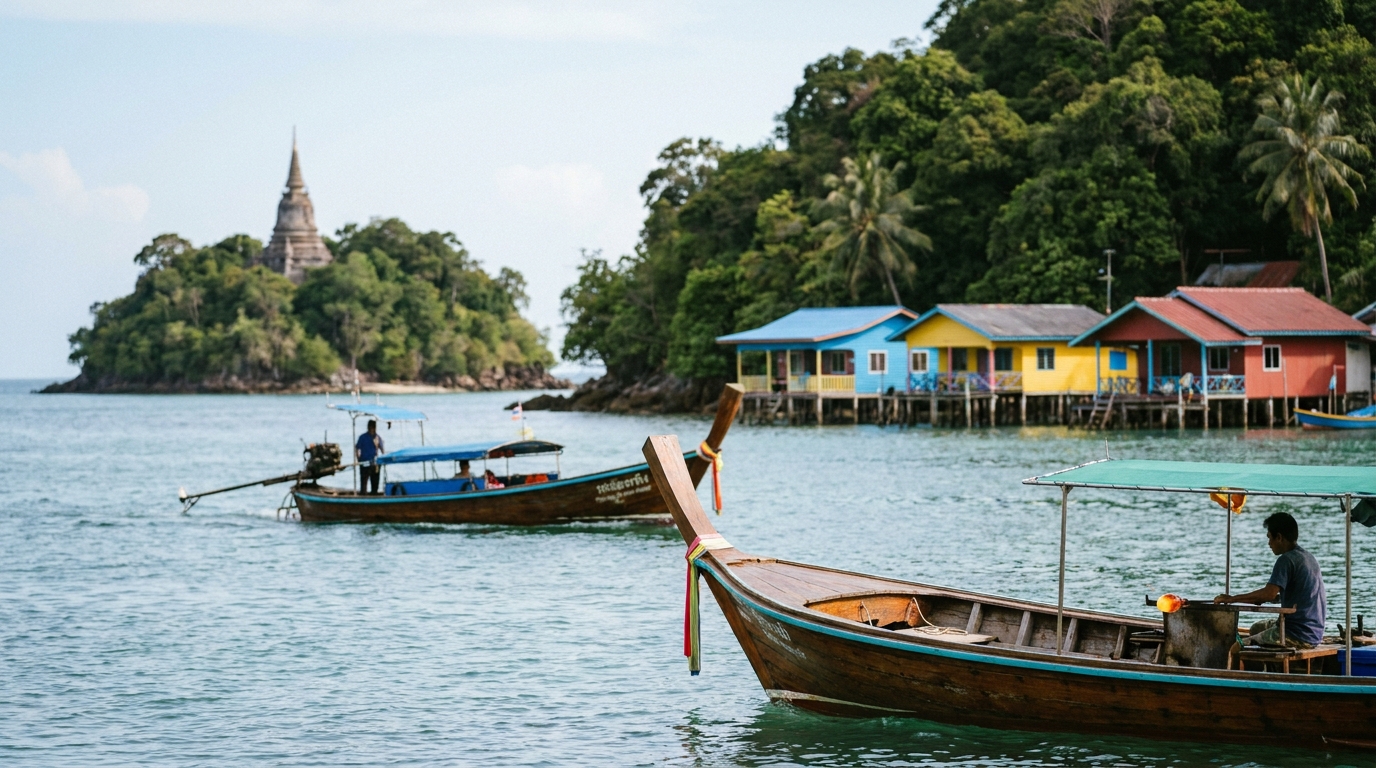
Murano is a 10-minute vaporetto ride from Venice (Line 4.1 or 4.2 from Fondamente Nove). The island has been producing glass since 1291, when the Venetian Republic forced glassmakers to relocate here to reduce fire risk on the main island. The Museo del Vetro (Glass Museum) costs EUR 10 and has pieces dating back to the 1400s.
Skip the aggressive free-tour-then-forced-purchase factory visits near the ferry dock. Instead, walk five minutes inland to family workshops like Fornace Mian or Davide Penso, where you can watch blowing demonstrations without a sales pitch attached.
Check live hotel prices if you want to base yourself on Murano for a night – it’s significantly quieter and cheaper than central Venice.
8. Burano Lace Island
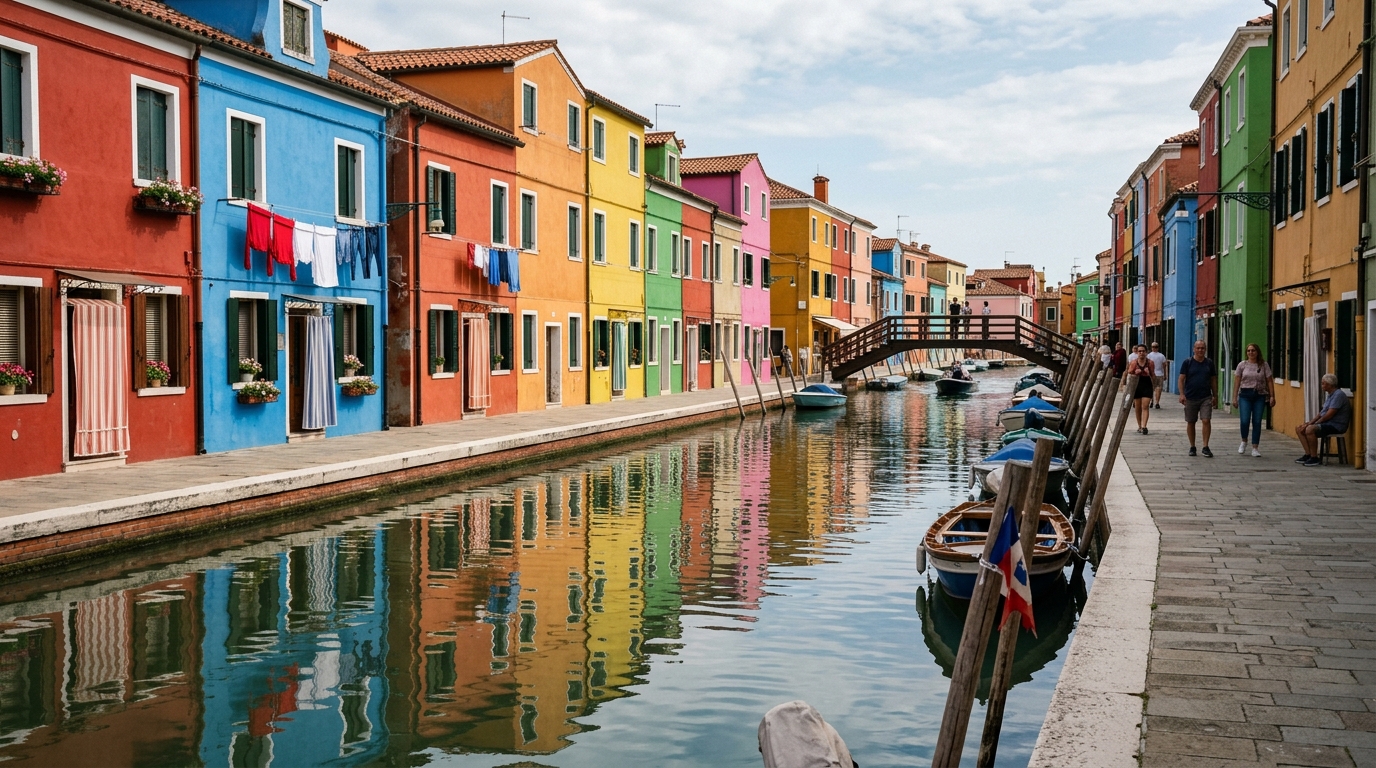
Burano sits 40 minutes from Venice by vaporetto (Line 12 from Fondamente Nove). The island is famous for two things: hand-made lace and candy-colored houses that make it one of the most photogenic spots in northern Italy. Authentic Burano lace can cost hundreds of euros for even small pieces – the Museo del Merletto (Lace Museum, EUR 5) explains why. Machine-made “Burano lace” is sold all over Venice; the real thing is only made by a handful of elderly artisans still working on the island.
Practical tip: Go on a weekday. Burano gets crowded on weekends with day-trippers from Venice, and the narrow streets around the main canal fill up fast.
9. Torcello: The Island Venice Forgot
[ORIGINAL DATA] Torcello is Venice’s least visited island and arguably its most historically significant. The Cathedral of Santa Maria Assunta dates to 639 AD – over 1,000 years before Venice’s main basilica was rebuilt in its current form. The Last Judgment mosaic inside rivals anything in St Mark’s. Only 14 permanent residents live on Torcello today (2024 census), making it the quietest place in the entire lagoon. Entry to the cathedral costs EUR 5.
Most Venice itineraries skip Torcello entirely. That’s exactly why you should go.
Best Museums and Art in Venice
10. Peggy Guggenheim Collection
The Peggy Guggenheim Collection is the finest modern art museum in Italy and one of the best in Europe. Admission is EUR 16 in 2026 (Peggy Guggenheim Collection, 2026). The collection spans Cubism, Surrealism, Abstract Expressionism, and more – Picasso, Dali, Pollock, Mondrian, and Giacometti all have major works here. The sculpture garden alone is worth the price.
It’s located in Dorsoduro, one of the quieter sestieri, so you can combine the visit with lunch at a local bacaro (wine bar) away from the St Mark’s crowds. Save on multiple museums with a Go City Venice pass.
11. Gallerie dell’Accademia
The Accademia holds the definitive collection of Venetian paintings from the 14th to 18th centuries – Bellini, Titian, Tintoretto, Veronese. Admission is EUR 12 (Gallerie dell’Accademia, 2026). If you have time for only one art museum in Venice, make it this one. The scale and quality of the paintings is genuinely staggering.
12. Scuola Grande di San Rocco
San Rocco is where Tintoretto spent 23 years painting an entire cycle of biblical scenes across the walls and ceilings. Admission is EUR 10. This is frequently cited by art historians as the single greatest concentration of work by one artist in one building anywhere in the world. It draws a fraction of the crowds of the Accademia despite being on the same quality level.
Hidden Gems and Local Neighborhoods
13. Dorsoduro Sestiere
Dorsoduro is the university quarter of Venice – younger, cheaper, and less tourist-heavy than San Marco. The Zattere waterfront faces south across the Giudecca Canal and catches afternoon sun that the north-facing Grand Canal doesn’t get. Grab a spritz (EUR 2.50-4 in local bars here versus EUR 8-12 near St Mark’s) and watch the cargo boats pass.
14. Cannaregio: The Jewish Ghetto
The Venice Ghetto is the oldest Jewish ghetto in the world, established in 1516 (Venice Jewish Museum, 2024). The word “ghetto” itself comes from Venice – from the Venetian word for foundry (geto) that used to operate on this island. The Jewish Museum costs EUR 10 and includes access to three synagogues still in use today. Cannaregio as a whole is one of the most residential and authentic sestieri, with proper local restaurants and none of the tourist menus near San Marco.
15. Castello: The Locals’ Quarter
Castello stretches east from San Marco and is where most working Venetians live. The Via Garibaldi is the widest street in Venice and lined with fruit stalls, bakeries, and trattorias that haven’t updated their interiors since 1985. That’s the point. The Giardini della Biennale (free entry outside Biennale season) gives you Venice’s only real public park with canal views.
Food Experiences Worth Planning Around
16. Cicchetti Bar-Hopping in San Polo
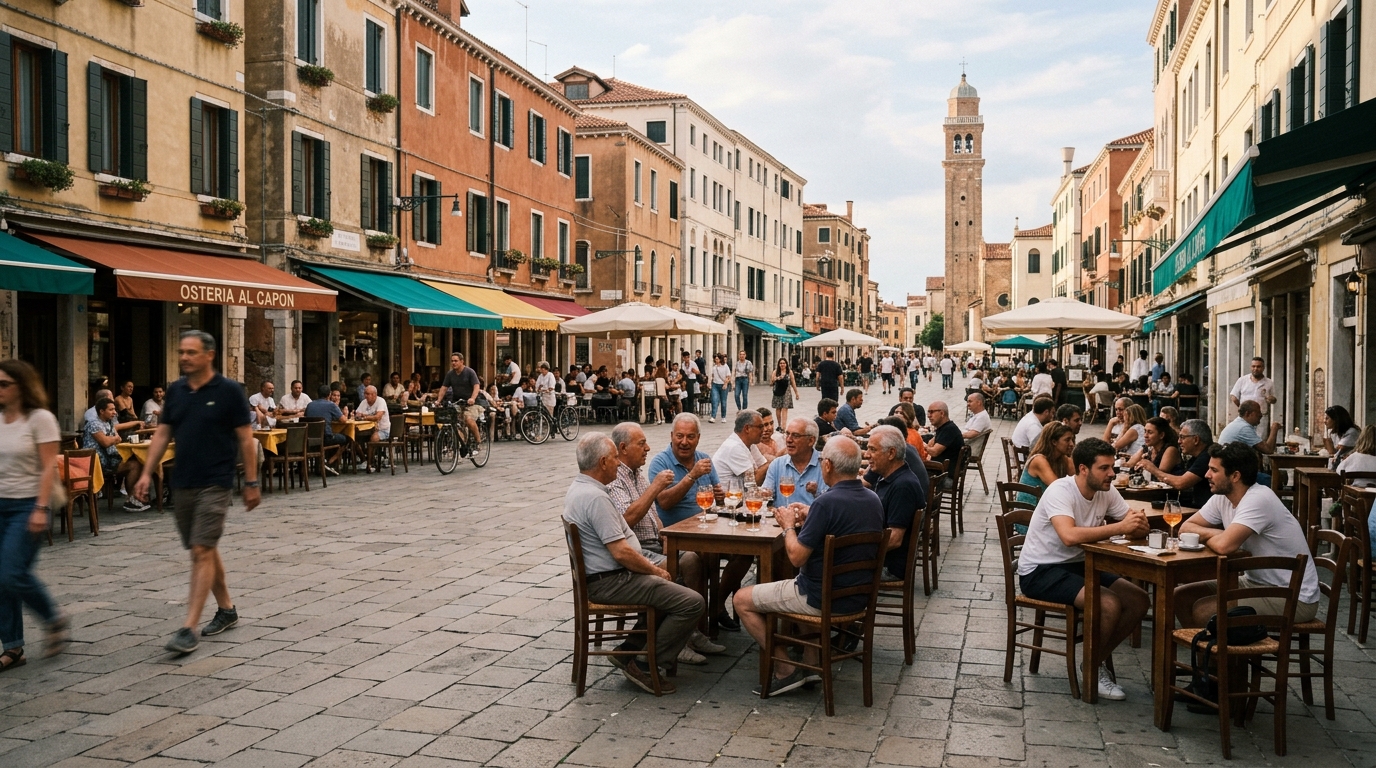
Cicchetti are Venice’s version of tapas – small bites served at bacari (wine bars) with a glass of ombra (local wine, typically EUR 1-2). The Rialto Market area in San Polo has the highest concentration of genuine bacari. Arrive between 11am-1pm when the selections are freshest. A full cicchetti lunch of six pieces plus two glasses of wine runs EUR 12-18 per person, versus EUR 40+ for a sit-down tourist restaurant nearby.
Top bacari near Rialto: All’Arco, Cantina Do Mori (Venice’s oldest wine bar, established 1462), Osteria al Squero.
17. Rialto Market (Mercato di Rialto)
The Rialto Market is one of the last functioning daily fish and produce markets in a major Italian city. It opens at 7am and the best selection is gone by 11am. Fish traders have operated on this site since 1097 (Venice municipality records, 2024). Watching a Venetian nonna negotiate the price of spider crab is more entertaining than most ticketed attractions in the city.
The market is free to visit and located at the foot of the Rialto Bridge on the San Polo side.
18. Aperitivo Hour in Fondamenta della Misericordia
Fondamenta della Misericordia in Cannaregio is the local bar strip that tourists rarely find. On warm evenings, half of Venice seems to crowd the canal-side path for spritz and cicchetti before dinner. No reservation needed, no dress code. Prices are local (EUR 2-4 per drink) and the atmosphere is entirely genuine. Show up between 6:30-8pm.
Views, Photography, and Outdoor Experiences
19. Campanile di San Marco (Bell Tower)
The Campanile is the tallest structure in Venice at 98.6 meters and offers a 360-degree view of the city, the lagoon, and the Alps on clear days. Entry costs EUR 10 (Procuratorie di San Marco, 2026). The original bell tower collapsed in 1902 (with zero casualties, fortunately) and was rebuilt exactly as it was. Take the elevator up early morning before the square fills – the light on the terracotta rooftops at 8am is exceptional.
20. San Giorgio Maggiore Island
The church of San Giorgio Maggiore sits on its own island directly across the Bacino from St Mark’s Square. Entry is free. The bell tower here (EUR 6 elevator) gives arguably a better view than the Campanile because you can see St Mark’s Square and the Doge’s Palace at full elevation, rather than looking down on them from inside the square itself.
21. Punta della Dogana Sunrise
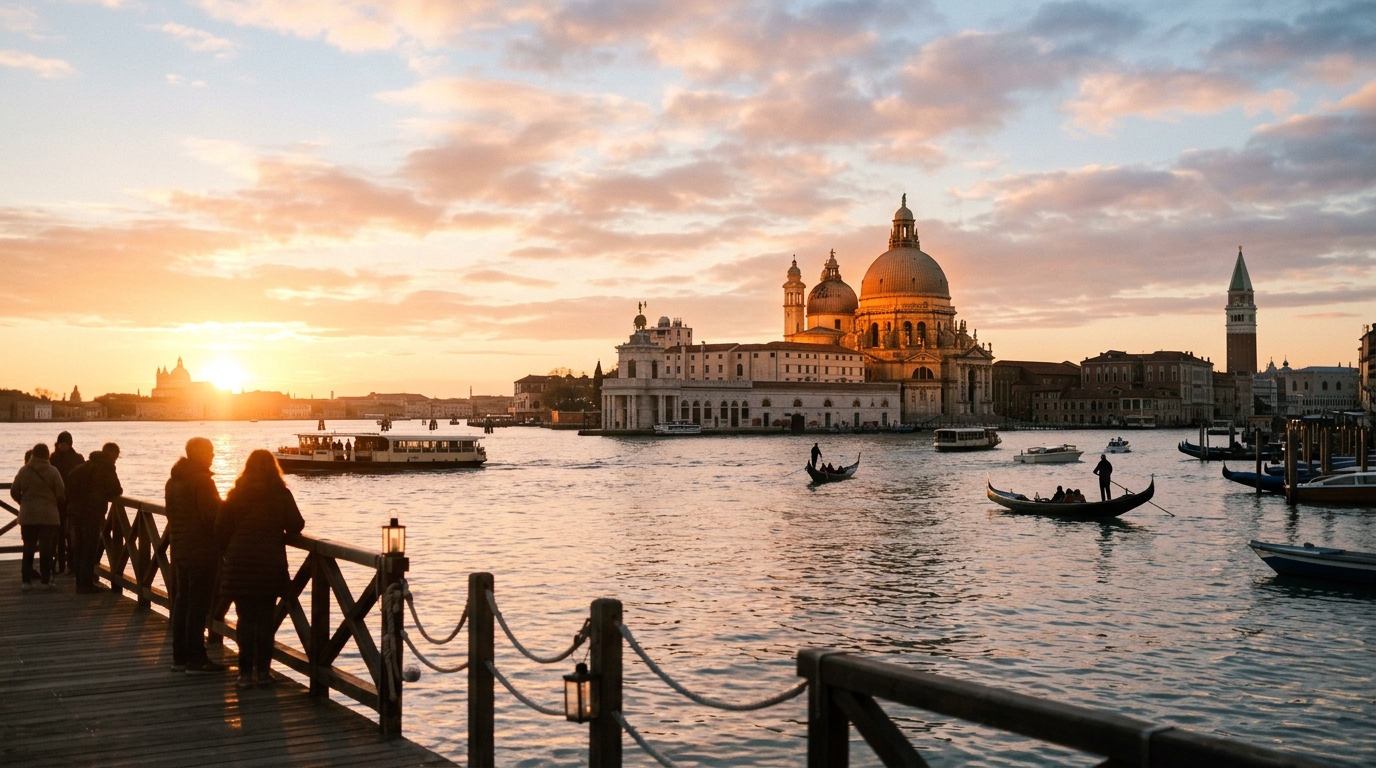
[PERSONAL EXPERIENCE] Punta della Dogana is the triangular tip of Dorsoduro where the Grand Canal meets the Giudecca Canal. It’s the finest sunrise point in Venice. At 5:30-6:00am in summer, the light hits St Mark’s Basilica across the water while the canal remains perfectly still. No crowds, no boats, just the sound of water. The walk from any central hotel takes 10-20 minutes and costs nothing.
Practical Experiences and Day Trips
22. Venice Lido Beach
The Lido is a barrier island a 15-minute vaporetto ride from San Marco (Line 5.1 or 5.2). It has a proper beach – a rarity in central Venice – and was the setting for Thomas Mann’s “Death in Venice.” In summer, public beach sections are free, while private beach clubs charge EUR 15-30 for a lounger and umbrella. It’s also home to the Venice Film Festival every September, which is one of the oldest film festivals in the world (Venice Biennale, 2024).
23. Day Trip to Padua (Padova)
Padua is 25 minutes by regional train from Venice Santa Lucia station (from EUR 3.60 single, Trenitalia, 2026). The Scrovegni Chapel there contains Giotto’s frescoes from 1305, which art historians consider the foundation of Western figurative painting. Entry requires advance booking (EUR 15, timed slots). Padua also has one of the oldest universities in the world (1222) and a great produce market in Piazza delle Erbe every morning.
24. Cooking Class: Fresh Pasta and Risotto
A hands-on cooking class focused on traditional Venetian recipes – bigoli in salsa (thick spaghetti with anchovies and onions), sarde in saor (sweet and sour sardines), risi e bisi (rice and peas) – runs EUR 75-120 per person for a 3-hour session. You learn more about Venetian culture in one morning than three days of standard sightseeing.
25. Venice Biennale (When Running)
The Venice Biennale alternates between art (odd years) and architecture (even years). In 2026, the Architecture Biennale runs May through November with national pavilions across the Giardini and Arsenale. Day passes cost EUR 25 (La Biennale di Venezia, 2026). The Arsenale section alone – a massive former shipyard stretching 300 meters – is worth the visit even if contemporary art isn’t normally your thing.
Check live hotel prices for accommodation during Biennale season. Hotels fill up fast and prices spike from May onward, so book at least 3 months ahead.
When Is the Best Time to Visit Venice?
Venice has roughly 3 million overnight visitors between June and September each year, with daily visitor counts exceeding 60,000 on peak summer weekends (Venice UNESCO World Heritage monitoring report, 2024). That concentration matters when you’re planning.
April-May: Best balance of weather and crowds. Acqua alta (high water flooding) is mostly over, temperatures are 15-20C, and popular sites have 30-50% fewer queues than July.
June-August: Hottest months, highest crowds, highest prices. If you must go, arrive at major sites at opening time (8-9am) and retreat to quieter sestieri from 11am-3pm.
September-October: Second-best window. Temperature drops, Biennale is still running, film festival brings energy to the Lido in early September.
November-March: Cheapest accommodation and fewest tourists. Acqua alta season (flooding) peaks November-January but is manageable with rubber boots available at most shops.
Getting Around Venice: Transport Tips
Venice’s water bus network covers the entire lagoon. The Vaporetto day pass at EUR 25 covers all ACTV lines, including routes to Murano, Burano, and the Lido (ACTV, 2026). A 72-hour pass (EUR 40) is the best value if you’re staying three or more days.
Walking is free and often faster than the water bus for short distances within a sestiere. Download the free Venezia Unica app for offline maps – the street numbering system in Venice is unique to each sestiere and confuses even experienced visitors.
Water taxis are fast but expensive: EUR 15 flat rate just to get in, then EUR 2-3 per minute. Use them for airport transfers if you have heavy luggage, not for sightseeing.
Frequently Asked Questions
How many days do you need in Venice?
Two full days covers the main landmarks including St Mark’s Basilica, Doge’s Palace, and a Grand Canal vaporetto ride. Three to four days adds the island day trips to Murano and Burano plus the quieter sestieri. A week lets you slow down and actually feel like you know the city. Most visitors underestimate Venice and book two nights – then wish they’d stayed longer.
Is Venice worth visiting in 2026 with the new entry fee?
Yes. The day-tripper fee (EUR 5 on peak days) applies only to non-overnight visitors entering between 8:30am-4pm on designated peak days. If you’re staying in a Venice hotel, you’re exempt. The fee has already measurably reduced the shoulder-season crush at popular spots (City of Venice, 2026).
What is the best way to avoid crowds in Venice?
Start your days before 9am – St Mark’s Square is nearly empty at 7am. Stay in Cannaregio, Dorsoduro, or Castello rather than San Marco. Visit popular islands (Murano, Burano) on weekday mornings. Book Doge’s Palace and St Mark’s Basilica slots in advance online to bypass physical queues.
How much does a gondola ride cost in Venice in 2026?
The official rate set by the Gondolieri Association is EUR 80 for 30 minutes (day) and EUR 100 after 7pm, for up to 6 passengers. Sharing with other couples or a group brings the per-person cost to EUR 13-20. Gondoliers cannot legally charge more than the official rate, though some try on busy days. Always agree the price, duration, and route before boarding.
Are there free things to do in Venice?
Yes, many. St Mark’s Basilica main nave is free with an advance time slot. All church exteriors and many campo (square) interiors are free. The Rialto Market, walking the sestieri, Punta della Dogana viewpoint, and the church of San Giorgio Maggiore (nave only) are all free. The biggest cost in Venice is usually accommodation – the activities themselves are manageable on a budget.
Final Tips Before You Go
Venice rewards the traveler who moves slowly and gets up early. The city’s biggest appeal isn’t any single landmark – it’s the sensation of navigating a functioning city that shouldn’t logically exist, built on wooden piles in a lagoon with no roads and canals instead of streets.
Book accommodation inside the historic center rather than on the mainland in Mestre. Yes, it costs more. But you’ll lose more in transport time and missed early-morning atmosphere than you save on the hotel. Check live hotel prices for properties in Cannaregio and Dorsoduro – these neighborhoods offer the best value within the islands.
For the best selection of tours, skip-the-line tickets, and canal experiences, Book on GetYourGuide to compare options across all the activities listed here.
Venice is one of those cities where the gap between a rushed visit and a well-planned one is enormous. With this guide and a bit of early-morning discipline, you’ll see a version of the city most tourists never find.
Sources: UNWTO Tourism Statistics 2024; Musei Civici Veneziani ticket pricing 2026; ACTV vaporetto fare schedule 2026; Gondolieri Association of Venice official rates 2026; Venice UNESCO World Heritage monitoring report 2024; La Biennale di Venezia official site 2026; Basilica di San Marco official site 2026; Peggy Guggenheim Collection official site 2026.