25 Best Things to Do in Rome 2026: Complete Activity Guide
Rome welcomes around 35 million visitors every year, making it one of the most visited cities on the planet. The Colosseum, Vatican Museums, Trevi Fountain, and Pantheon each draw millions of those visitors independently. But the best things to do in Rome extend well beyond the four headline monuments. There’s the Borghese Gallery (arguably the finest sculpture collection in Europe), Trastevere’s maze of orange-lit evening streets, Campo de’ Fiori market at 8am when locals still outnumber tourists, and the Appian Way where you can walk on 2,000-year-old stones with almost no one around.
This guide covers 25 best things to do in Rome in 2026 with verified ticket prices in EUR and USD, which activities need advance booking (and how far ahead), GetYourGuide and Viator tour links, food experiences, day trips, and honest crowd-avoidance advice. Whether you have 3 days or 10, this list covers the iconic, the underrated, and the genuinely surprising.
Key Takeaways
Top paid attraction: Colosseum + Roman Forum + Palatine Hill combo ticket – EUR 18-26 ($19-28), book 2-3 weeks ahead via GetYourGuide
Most underbooked gem: Borghese Gallery – only 360 visitors allowed per 2-hour slot; books out 3-4 weeks in summer
Free but crowded: Trevi Fountain (free), Pantheon entry now EUR 5 ($5.40); both best visited before 8am
Vatican reality check: Vatican Museums + Sistine Chapel – EUR 20-27 ($22-29); skip-the-line tours via GetYourGuide save 2-3 hours of queuing
Hidden win: The Appian Way on Sunday mornings – cars banned, ancient stones, almost no crowds
Affiliate Disclosure: Some links in this guide are affiliate links. If you book through them, we earn a small commission at no extra cost to you. We only recommend services we genuinely trust. Learn more.
Quick Comparison: 25 Best Rome Activities at a Glance
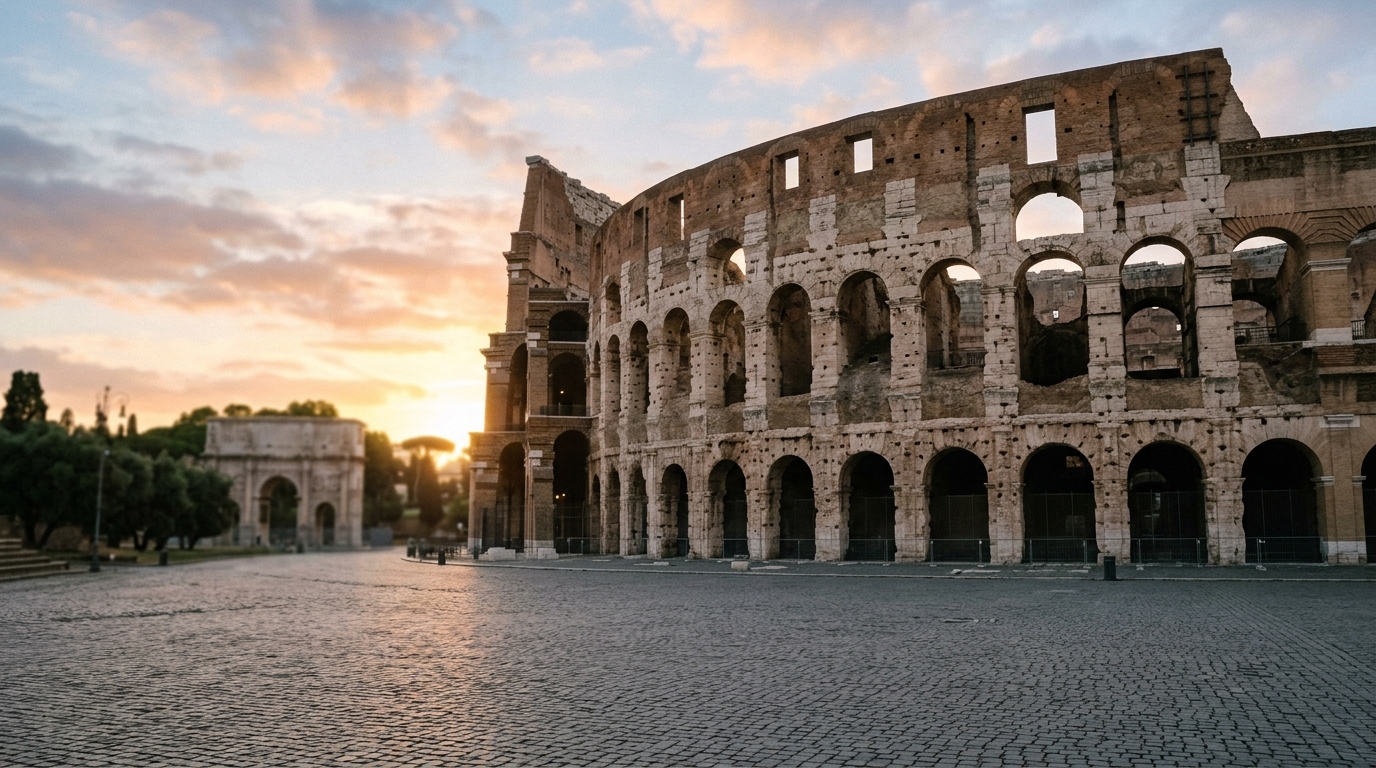
The Colosseum is the single most visited paid attraction in Italy, drawing over 7 million visitors a year according to Italy’s Ministry of Culture. That number tells you something important: crowds are real, and planning matters more here than almost anywhere else in Europe. The short answer is yes, absolutely worth it.
1. Colosseum + Roman Forum + Palatine Hill Combo
Cost: EUR 18 standard / EUR 26 with Arena Floor access ($19-28 USD) Duration: 3-5 hours for all three sites Book via:GetYourGuide Rome tours or official Colosseum site
The combo ticket covers three connected sites. Start at the Colosseum (1-1.5 hours), walk through the Roman Forum (1-1.5 hours), then climb Palatine Hill for city views at sunset (45 minutes). The EUR 26 Arena Floor ticket gets you down onto the actual fighting surface. It’s genuinely different from the standard upper tiers.
Insider tip: Book the first entry slot (9am) or last slot (2 hours before closing). Midday in summer is brutal heat and maximum crowds. Arena Floor tickets sell out 2-3 weeks ahead in July-August.
Best for: First-timers, history enthusiasts, families with older kids. Kids under 18 get free entry with an adult.
Booking tip: Tours with a guide via GetYourGuide run EUR 35-65 and include skip-the-line access plus explanations of the gladiatorial system that make the ruin come alive.
The Colosseum combo ticket (EUR 18-26) covers three of Rome’s most significant ancient sites and is the top-selling attraction in Italy, welcoming over 7 million visitors annually (Italy Ministry of Culture, 2024). Skip-the-line access via GetYourGuide eliminates 1-2 hour wait times in peak season.
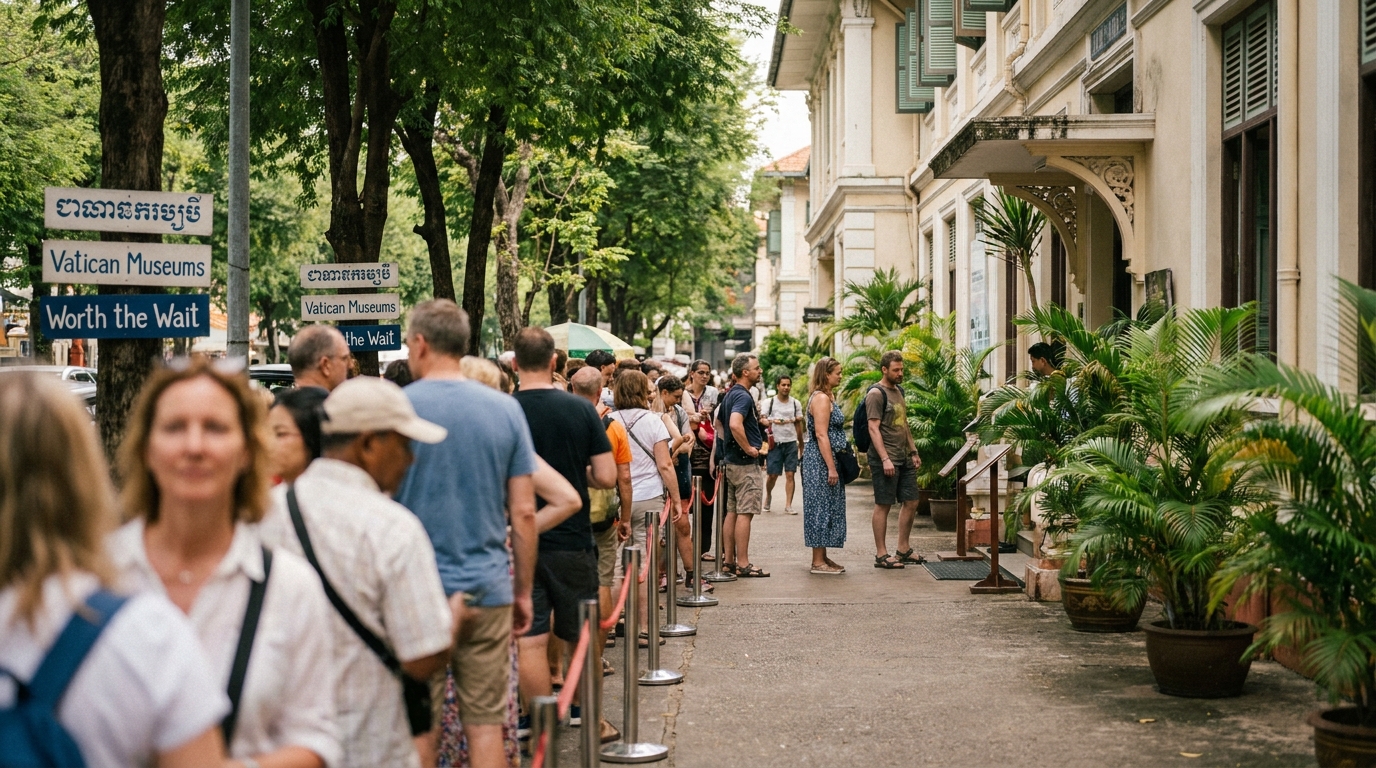
Are Vatican Museums Worth the Long Lines?
The Vatican Museums hold 54 galleries and more than 70,000 works, making them one of the largest art collections on earth. According to the Vatican’s own statistics, over 6 million people visit each year. Lines without a ticket regularly run 2-3 hours. With a skip-the-line tour, you’re walking in within 15 minutes.
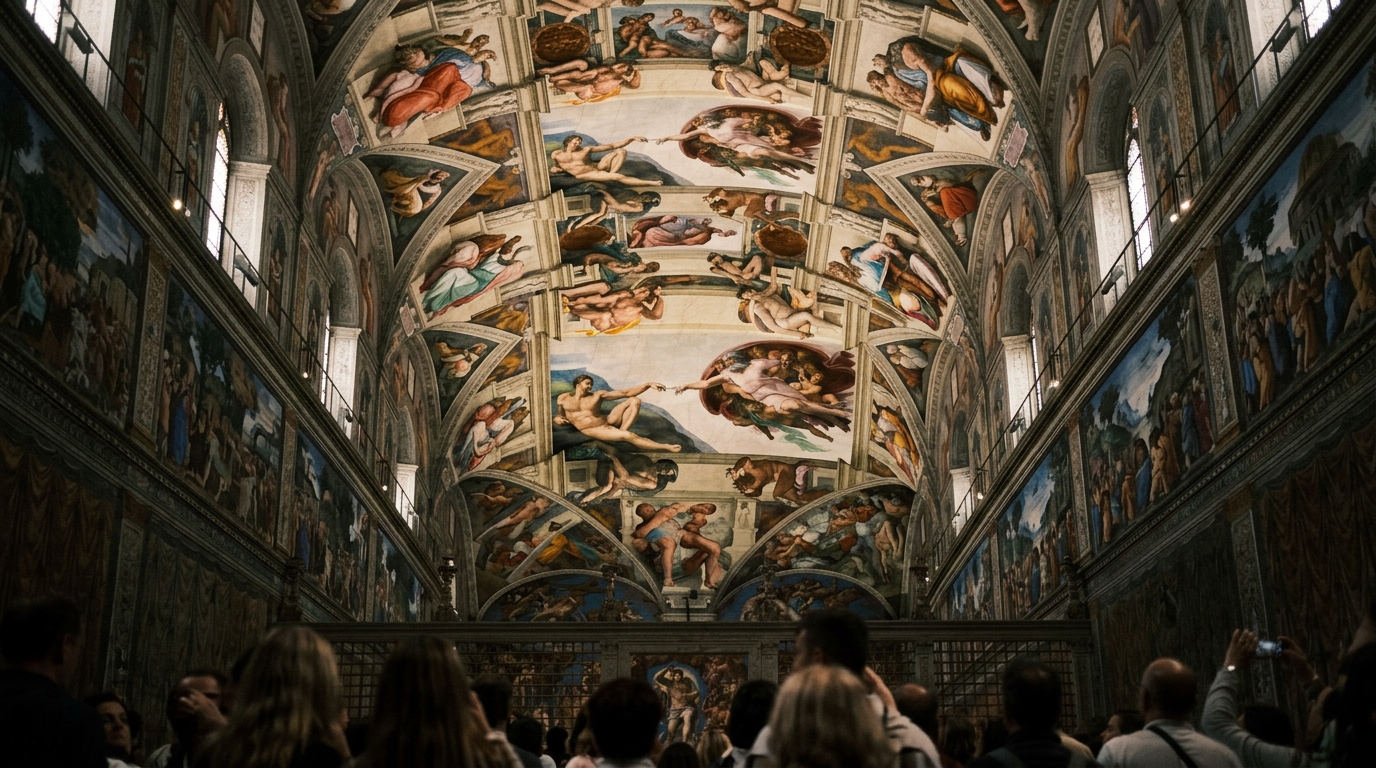
2. Vatican Museums + Sistine Chapel
Cost: EUR 20 standard entry / EUR 27 with early access or small group Duration: 3-4 hours minimum Book via:GetYourGuide Vatican tours (skip-the-line + guide included)
The Sistine Chapel ceiling – Michelangelo’s “Creation of Adam” and “The Last Judgment” fresco – is the highlight most visitors come for. But the Raphael Rooms immediately before the chapel are equally stunning and get a fraction of the attention. The Gallery of Maps alone (a 120-meter painted hall) is worth the entry price.
Insider tip: Book an early-morning Vatican tour (opening time, 9am). Guide-led small-group tours navigate the crowds better than self-guided visits. Evening tours (from 7pm, available select dates) offer genuinely quiet Sistine Chapel access.
3. St. Peter’s Basilica + Dome Climb
Cost: Basilica entry FREE / Dome climb EUR 8 (stairs) or EUR 10 (lift + stairs) Duration: 2-3 hours including dome Timed entry: Required, book free slot at Vatican website
The world’s largest church by interior volume. Michelangelo designed the dome, Bernini designed the colonnade and the baldachin inside. Climb the dome for 360-degree Rome views. The queue for the free basilica moves faster than most expect – 20-40 minutes on average.
[UNIQUE INSIGHT] St. Peter’s Square is designed with a deliberate optical trick: Bernini placed the outer columns not in a true oval but in a slightly irregular ellipse. Standing on either of the two porphyry discs set in the square pavement makes all four rows of columns appear as a single row. Most visitors walk past both discs without knowing they exist.
St. Peter’s Basilica receives over 11 million visitors annually according to Vatican City State statistics (2024). Dome climb costs EUR 8 (stairs only) or EUR 10 (lift plus final stair section), offering the highest publicly accessible panoramic view of Rome’s historic center.
[CHART: Bar chart – Vatican vs Colosseum vs Borghese annual visitor numbers – Source: Italy Ministry of Culture 2024]
What Makes Borghese Gallery Special?
The Borghese Gallery admission policy is intentionally strict: only 360 visitors per 2-hour slot, enforced hard. No exceptions. This policy, confirmed by Galleria Borghese’s official booking system, is what makes it the most intimate great art experience in Rome. Bernini’s marble sculptures here – including “Apollo and Daphne” (1625) and “The Rape of Proserpina” – are widely considered the finest baroque sculpture in existence.
4. Borghese Gallery
Cost: EUR 15 entry + EUR 2 booking fee ($18 USD total) Duration: Exactly 2 hours (strict time limit enforced) Book via:Borghese Gallery official site – books out 3-4 weeks in summer
The villa holds 20 rooms. Bernini sculptures on the ground floor take up most of your time. The Caravaggio paintings on the upper floor (including “David with the Head of Goliath”) add a second layer. Guided audio tour available at the desk.
[PERSONAL EXPERIENCE] We visited on a Tuesday morning slot – the 2-hour limit feels tight at first but forces real focus. You end up in a meditative loop with each sculpture rather than rushing through 200 rooms like in a larger museum. The Canova “Pauline Bonaparte as Venus” (Room 1, first thing you see) stops most visitors cold.
Insider tip: Book 4-6 weeks ahead for July-August. The gallery has no walk-in option – if you arrive without a ticket, you will not get in. Combine with a walk in the Villa Borghese park gardens (free, beautiful in spring).
Trevi Fountain, Pantheon, and Piazza Life
Rome’s most recognizable landmarks are all within walking distance of each other in the historic center. The challenge is crowds. We’ve found that visiting any of these before 8am transforms the experience completely.
5. Trevi Fountain
Cost: FREE Duration: 20-30 minutes Best timing: 6:30-7:30am (before organized tour groups arrive)
The largest baroque fountain in Rome, completed 1762. The tradition of throwing a coin (over the right shoulder with the left hand) originates from the 1954 film “Three Coins in the Fountain” and generates around EUR 1.4 million per year according to Rome’s Municipal Government, donated to a local food bank.
[UNIQUE INSIGHT] The coin-throwing tradition was invented by Hollywood. The original Roman tradition – drinking from the fountain for good luck on return journeys – predates the coin version by 1,700 years. The ancient Aqua Virgo aqueduct that feeds the fountain has run continuously for over 2,000 years, one of only two original Roman aqueducts still in operation.
6. Pantheon
Cost: EUR 5 ($5.40 USD) – introduced in 2023 after being free for centuries Duration: 30-45 minutes Timed entry:Book online to avoid queues
Built in 125 AD by Emperor Hadrian, the Pantheon’s concrete dome remained the world’s largest for 1,300 years. The oculus (hole in the dome roof) is 8.8 meters across. When it rains, water falls straight through – the floor is slightly sloped to drain it. Interior photography is free.
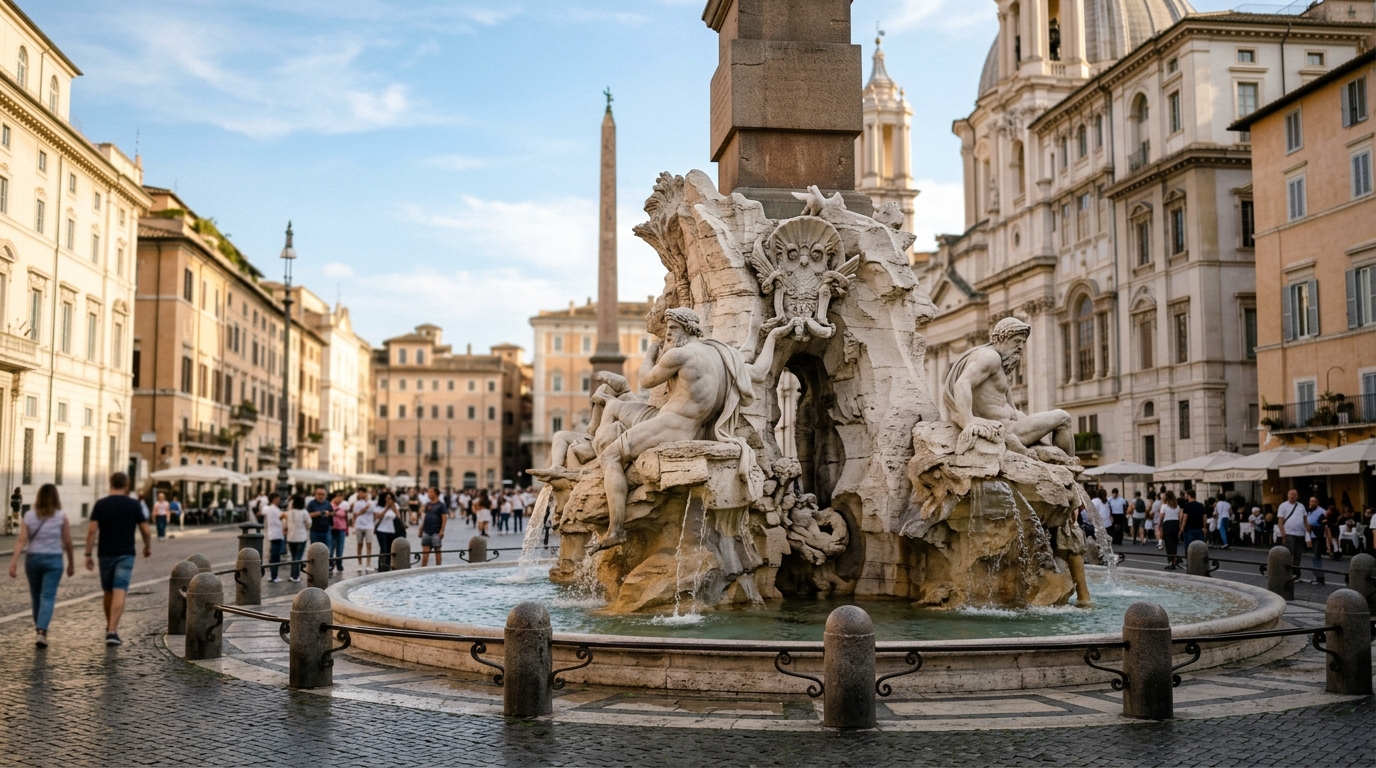
12. Piazza Navona
Cost: FREE Duration: 1 hour casual walk Best timing: Morning or evening (overcrowded midday July-August)
Three Bernini fountains in one elongated piazza built on the footprint of Emperor Domitian’s stadium. The central “Fountain of the Four Rivers” (1651) is the main draw. Street artists set up around it daily. Bars and restaurants on the perimeter are tourist-priced – walk one block in either direction for half the cost.
What Are the Best Rome Food Experiences?
Rome’s food culture is specific and regional – this is not the place for generic “Italian” food. According to Italy’s ISTAT food tourism data, 68% of visitors to Rome name food as a primary motivation. The best experiences here aren’t restaurants – they’re markets, food tours, and cooking classes that get you into the actual supply chain.
7. Campo de’ Fiori Morning Market
Cost: FREE to browse / EUR 5-20 to buy Duration: 1-2 hours Best timing: 7:00-9:30am (market runs until noon, but best before 9:30am)
Rome’s most atmospheric daily food market. Vendors sell seasonal produce, cured meats, fresh pasta, and street food. Arrive by 8am when the fishmongers set up and locals still outnumber tourists. The surrounding streets – Via dei Giubbonari especially – have Rome’s best independent food shops.
9. Roman Food Tour (Guided)
Cost: EUR 60-100 per person via GetYourGuide Rome food tours Duration: 3-4 hours, 6-8 stops Best for: First-timers wanting to understand Rome’s food geography
A good food tour hits cacio e pepe pasta, supplì (fried rice balls), artichokes alla giudia (Jewish-Roman style), mortadella, gelato, and coffee. The Testaccio market neighborhood hosts the best food tours – it’s where Roman chefs shop, not tourists.
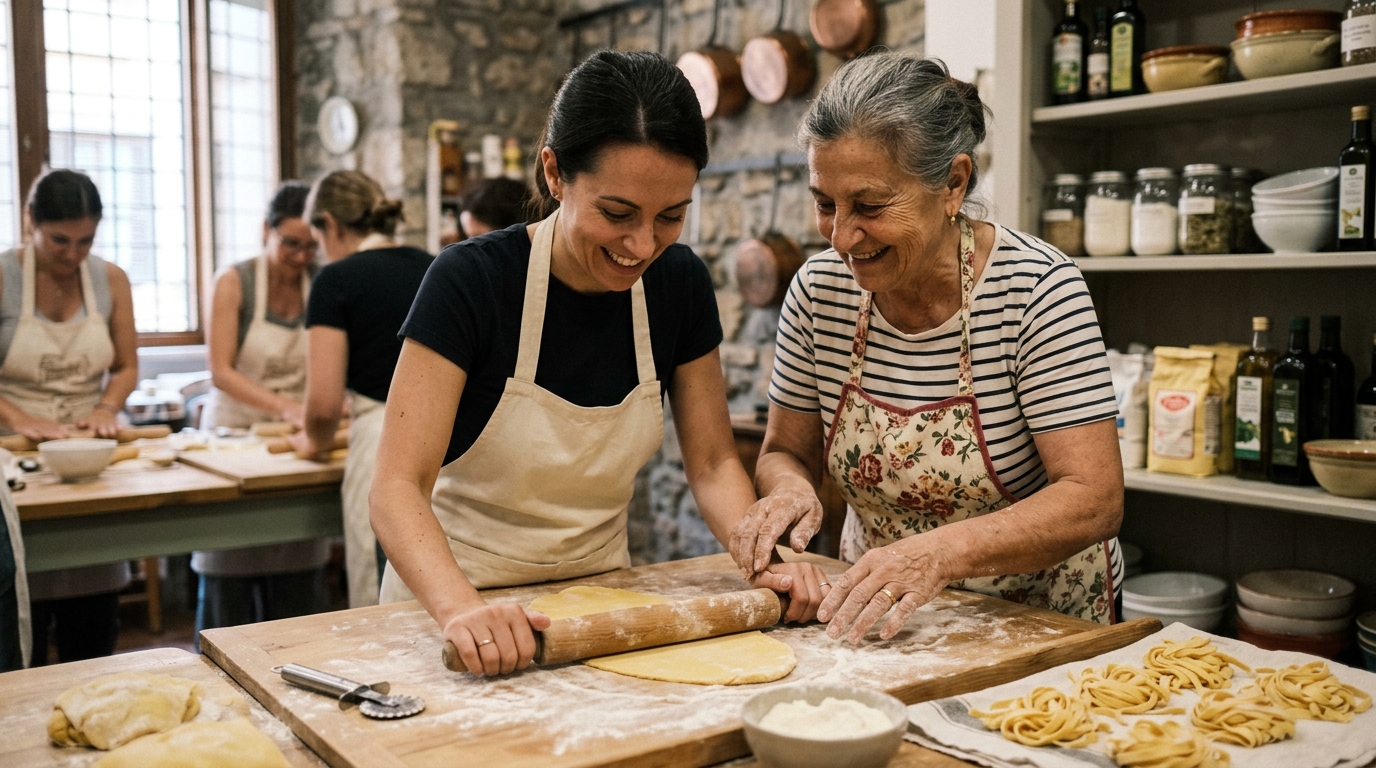
Cost: EUR 65-110 per person via GetYourGuide cooking classes Duration: 3 hours including eat-what-you-made lunch Best for: Couples, families, food-focused travelers
Most classes cover fresh pasta (cacio e pepe, carbonara, amatriciana) or pizza from dough. Small-group format (6-12 people) in a kitchen above the city. Book 1-2 weeks ahead – popular with families and couples.
Rome food tourism is a primary driver of visits, with 68% of arrivals citing food as a key motivation according to Italy’s ISTAT (2023 survey). Campo de’ Fiori market operates daily except Sunday; Testaccio covered market (open Tuesday-Saturday) is preferred by local chefs and offers a less touristy alternative.
Where Are Rome’s Best Neighborhoods to Explore on Foot?
Rome’s neighborhoods tell entirely different stories of the city’s history, and each rewards a slow walk more than a rushed checklist visit. The best Europe travel tips apply here: arrive at least 3 days before deciding you understand a place.
8. Trastevere Evening Walk
Cost: FREE Duration: 2-3 hours Best timing: 7pm-10pm (evening light transforms the neighborhood)
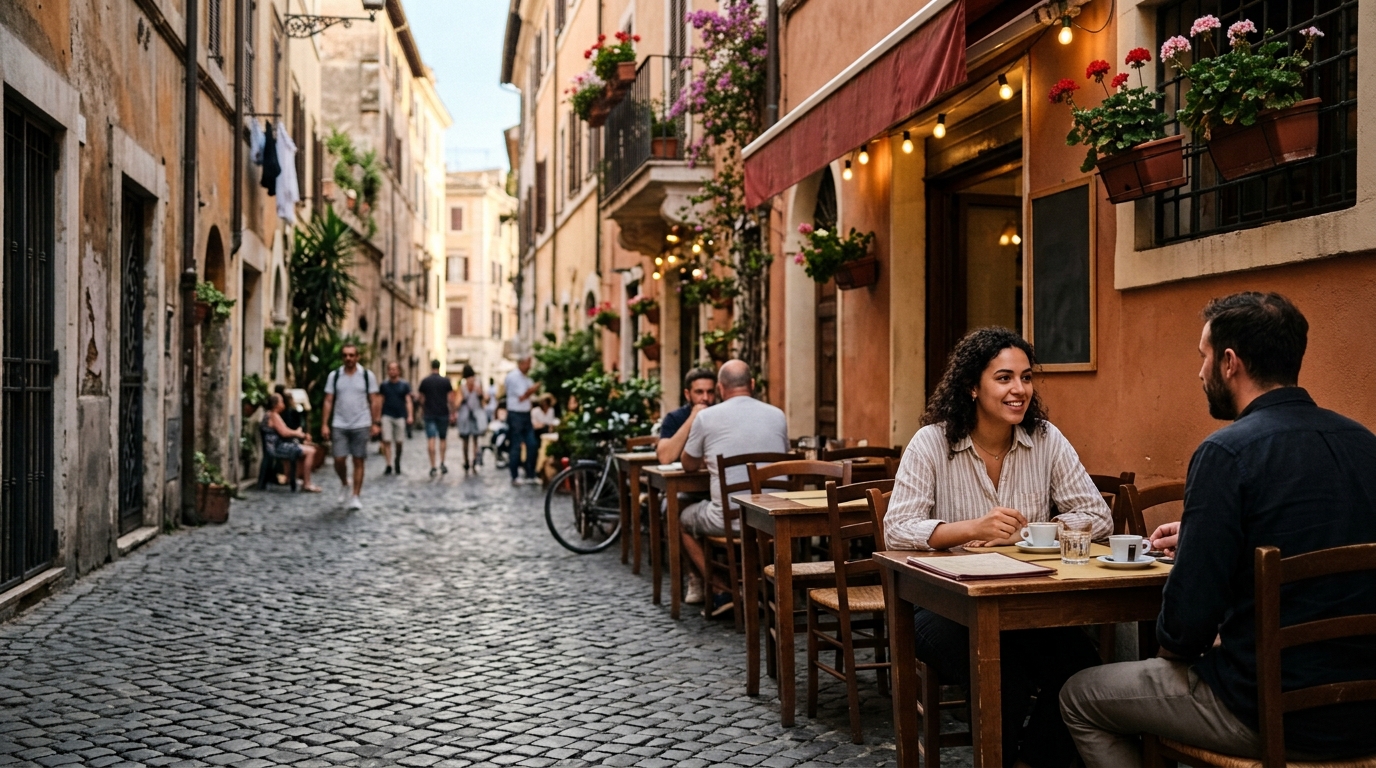
Trastevere sits across the Tiber from the historic center – its name literally means “across the Tiber.” Medieval streets, ochre and terracotta buildings, the 12th-century Basilica of Santa Maria in Trastevere (free entry, stunning 12th-century mosaics). Best approach: cross Ponte Sisto at 7pm, walk up to the Gianicolo hill overlook at sunset, descend into Trastevere for dinner.
17. Jewish Ghetto Walk
Cost: FREE walking / EUR 11 Jewish Museum optional Duration: 2 hours Best for: History and food together
Rome’s Jewish community is one of the oldest in the world – continuously present for over 2,100 years according to Rome’s Jewish Museum. The Portico d’Ottavia ruins (1st century BC) are embedded directly into the neighborhood streetscape. Artichokes alla giudia (Jewish-style deep-fried artichokes) were invented here and remain the must-order dish at local restaurants.
16. Aventine Hill and Orange Garden
Cost: FREE Duration: 1 hour Best feature: Knights of Malta keyhole view of St. Peter’s dome
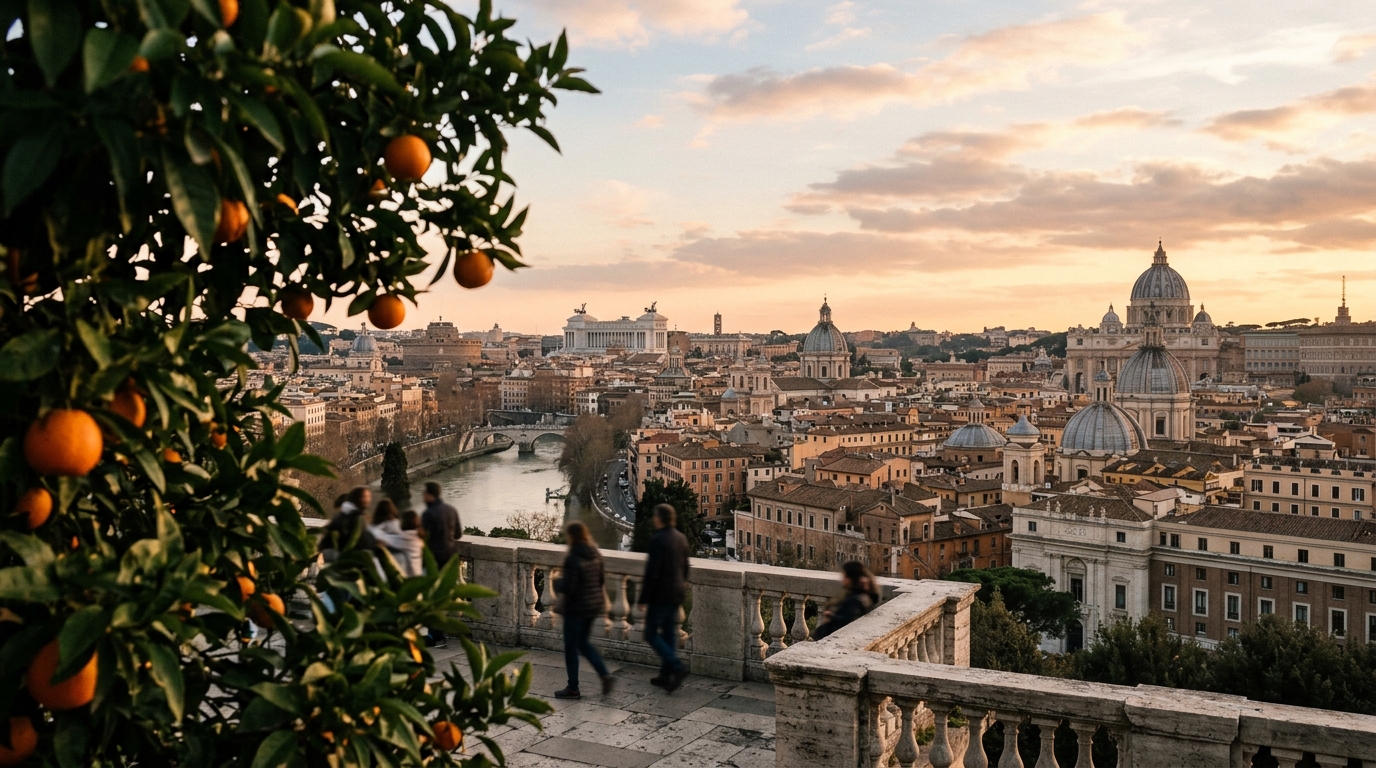
Climb Aventine Hill to the Orange Garden (Giardino degli Aranci) for a panoramic view across Rome and the Tiber. Fifty meters away, the Knights of Malta headquarters has a famous keyhole in its front door – peer through it to see a perfectly framed, triple-arched garden view with St. Peter’s Basilica dome centered at the end. The entire composition is intentionally designed. It’s free, it takes 30 seconds, and almost no guidebook mentions it.
Which Rome Day Trips Are Worth the Journey?
Rome sits in easy striking distance of three world-class day trip destinations. Each requires a full day – not a half day rushed trip. According to Trenitalia journey data, Pompeii and Naples are the most-booked day trips from Rome, but Ostia Antica and Tivoli are far less crowded for equivalent archaeological quality.
19. Day Trip to Pompeii
Cost: EUR 16-18 Pompeii entry + EUR 30-50 return train (Naples + Circumvesuviana) Duration: Full day (8-9 hours total) Best via:GetYourGuide Pompeii day trip from Rome (EUR 65-120, guided, transport included)
The Colosseum of the ancient world – buried in 79 AD by Vesuvius, excavated over 200 years of work. Over 11,000 artifacts recovered. Visit independently via Frecciarossa train to Naples (70 min) then Circumvesuviana train to Pompeii Scavi (40 min). Or book a guided day trip via GetYourGuide that handles all logistics plus adds interpretive context that transforms the ruins from “interesting” to genuinely haunting.
Insider tip: Arrive at Pompeii by 9am. The site covers 66 hectares – most visitors see maybe 20%. Focus on the Lupanar (ancient brothel), the Thermopolium (ancient fast food bar, uncovered 2020), the House of the Vettii, and the plaster casts of victims in the Garden of the Fugitives.
20. Day Trip to Tivoli – Hadrian’s Villa and Villa d’Este
Cost: EUR 10 Hadrian’s Villa entry / EUR 10 Villa d’Este separately Duration: Full day (combine both with a 30-minute taxi between them) Getting there: Bus from Tiburtina station (1.5 hours, EUR 3 each way) or taxi (EUR 60-80 one-way)
Emperor Hadrian built his personal villa at Tivoli (118-138 AD) – it’s larger than Pompeii and equally fascinating, with almost no crowds by comparison. Villa d’Este (16th century) holds the most elaborate Renaissance water garden in existence – 500 fountains, 220 water jets, 60 waterfalls.
23. Ostia Antica – Rome’s Buried Port City
Cost: EUR 12 entry Duration: Full day Getting there: Lido train from Roma Ostiense station (30 min, EUR 3 each way)
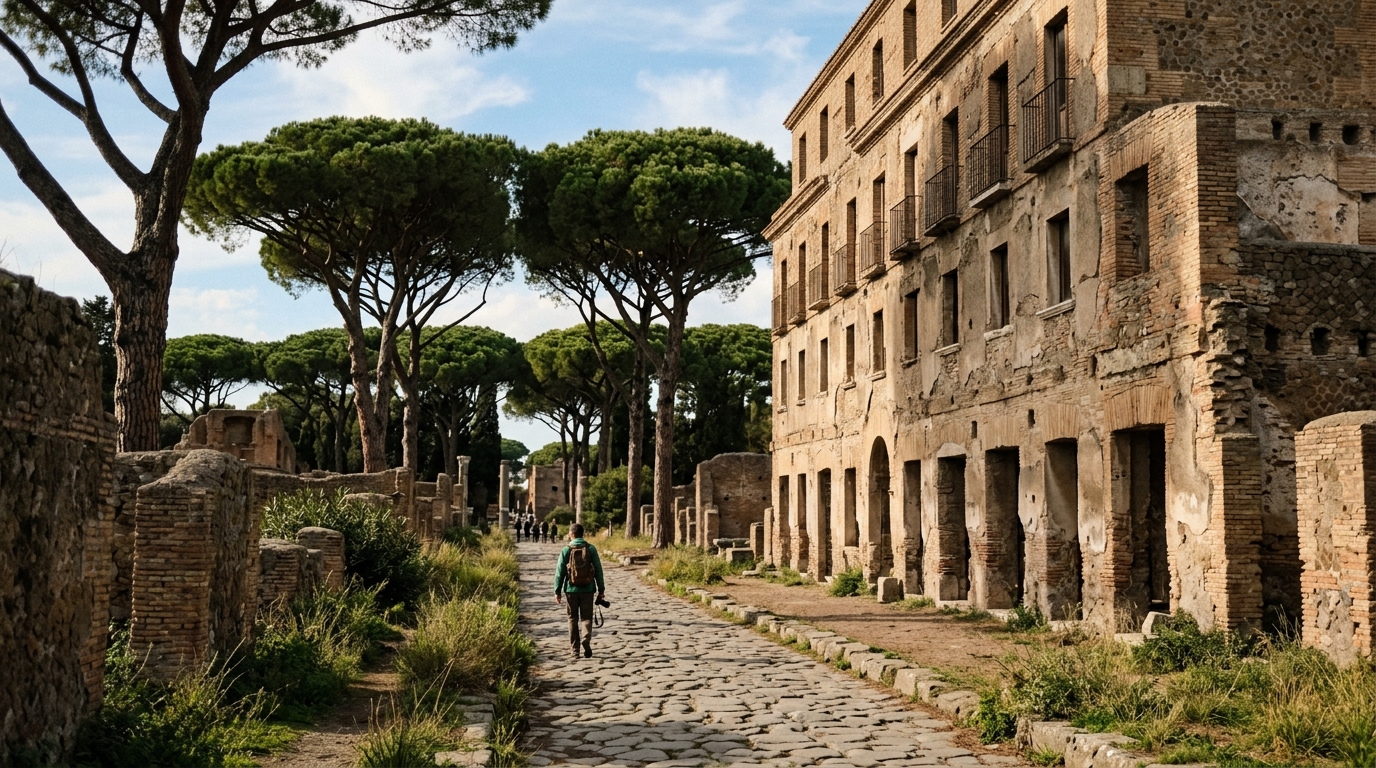
[PERSONAL EXPERIENCE] Ostia Antica is consistently the best-kept secret on Rome’s day trip circuit. It’s a complete ancient Roman port city – 4 km of streets, intact apartment blocks, a theatre, public baths, a firefighters’ barracks, the world’s oldest purpose-built synagogue. Almost no tourists. Entry EUR 12. The combination of intact urbanism (unlike Pompeii, which is a villa settlement) and near-total absence of crowds makes this, in our view, the best half-price, half-crowd alternative to Pompeii in the Rome region.
Ostia Antica covers 150 hectares of excavated Roman port city dating from the 4th century BC and receives fewer than 400,000 visitors annually compared to Pompeii’s 4 million, according to Italy’s Ministry of Culture (2024 data). It offers comparable archaeological depth at a fraction of the crowd density.
What Are Rome’s Best Hidden Gems?
The four headline monuments get 85% of Rome’s tourist traffic. The remaining sites – some genuinely world-class – operate in relative quiet. We’ve found that the difference between an average Rome trip and a great one comes down to which of these you slot in.
11. Capuchin Crypt (Bone Church)
Cost: EUR 9 Duration: 45 minutes Location: Via Veneto, 5 min walk from Barberini metro
Five chapel rooms decorated with the bones of 3,700 Capuchin friars, arranged into chandeliers, wall panels, and ceiling rosettes. Opened to visitors 2013. Not a horror experience – actually a sobering and oddly peaceful meditation on mortality. The ticket includes the Capuchin Museum (separate floor), which contextualizes the practice.
13. Castel Sant’Angelo
Cost: EUR 16 Duration: 1.5-2 hours Best for: Views and military history combined
Built as Emperor Hadrian’s mausoleum (139 AD), converted to a papal fortress in medieval times, connected to the Vatican by a secret elevated passageway (the Passetto di Borgo). The rooftop terrace has some of Rome’s best Tiber and St. Peter’s views. Less crowded than the major Vatican sites despite being directly adjacent.
15. Capitoline Museums
Cost: EUR 15 Duration: 2.5-3 hours Best for: Roman history depth, genuine sculptures, city views
The world’s oldest public museums (opened 1471). Holds the original Marcus Aurelius equestrian statue (the one in the square is a copy), the Capitoline Wolf (8th century BC bronze, possibly), and the Palazzo dei Conservatori galleries with Roman portrait busts. The terrace overlooking the Forum is free with the ticket.
24. Palazzo Doria Pamphilj
Cost: EUR 14 Duration: 1.5 hours Best feature: Audio guide narrated by the current Doria Pamphilj family heir
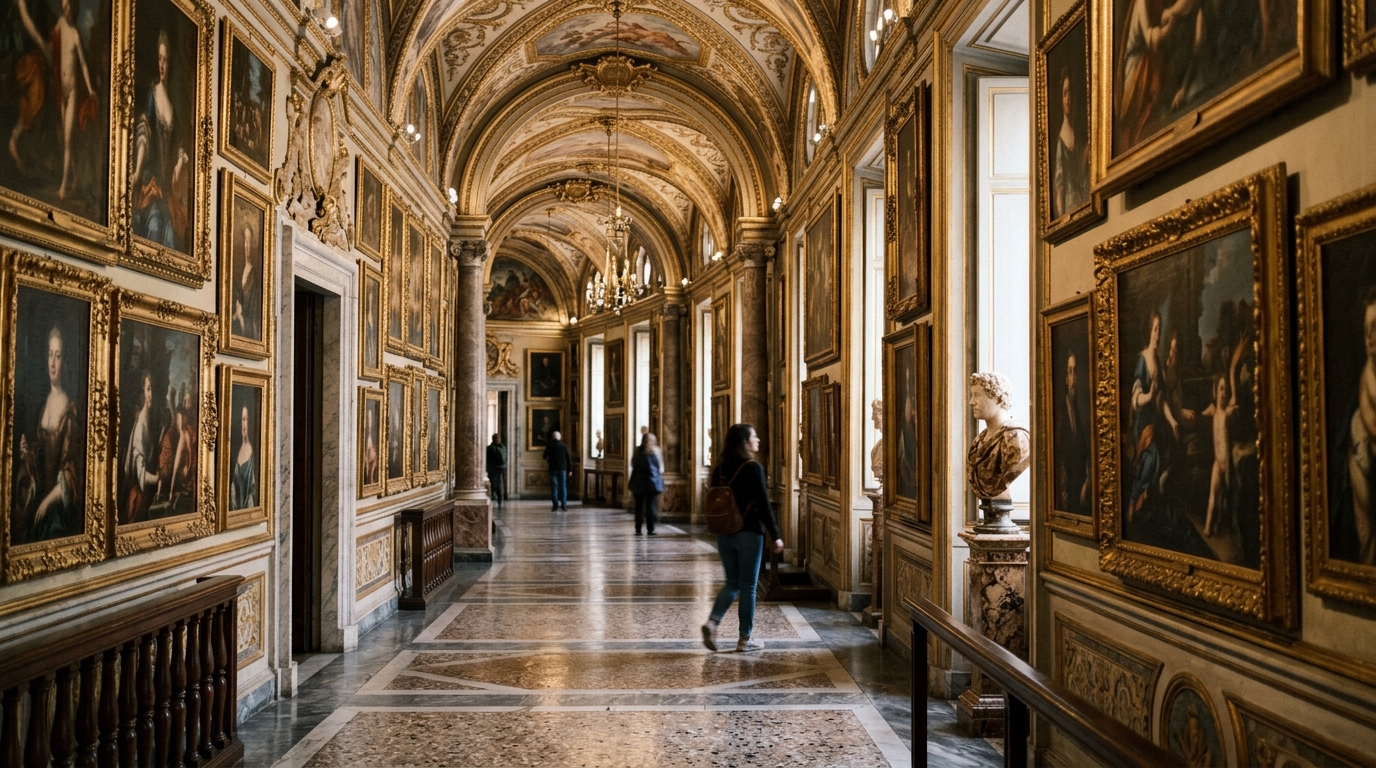
A private family palace still occupied by the Doria Pamphilj family, with gallery rooms holding Velazquez, Caravaggio, Raphael, and Titian works in their original 17th-century room arrangement. The audio guide is narrated by Jonathan Pamphilj himself – the family heir – which gives the whole experience an oddly personal atmosphere that no public museum can replicate.
How to See Rome Without Getting Crushed by Crowds
Rome’s crowd patterns are predictable, and working with them saves hours of frustration. The most visited sites (Colosseum, Vatican, Trevi) all have crowd peaks between 10am-3pm. Arriving outside those windows – or booking guided tours with skip-the-line access – changes the experience category.
Crowd-Avoidance Rules for Rome in 2026
Rule 1: Book Colosseum, Vatican, and Borghese tickets before you arrive. Not “a few days before” – 2-4 weeks before for summer travel.
Rule 2: Vatican early access tours (7am-9am entry via special program) via GetYourGuide cost EUR 50-80 but put you inside the Sistine Chapel with 30-50 people instead of 300-400.
Rule 3: Trevi Fountain and Pantheon are best at 6:30-7:30am, which happens to coincide with Roman bar culture – the best cornetto and cappuccino window in the city.
Rule 4: Sunday in Rome is different. Many locals leave town. The Appian Way closes to traffic on Sundays, making it walkable in silence. The Capitoline Hill area empties. Use Sundays for outdoor and archaeological sites.
Rule 5: Avoid cruise ship days for Vatican specifically – check itineraries online for your dates. Civitavecchia port cruise days add 8,000-12,000 visitors to Rome’s tourist sites in a single morning wave.
Getting Around: What Actually Works
Rome has a metro (two lines) that connects main tourist zones, a bus network that locals use but tourists find confusing, and a very walkable historic center. For most visitors, the honest answer is: walk everywhere in the historic center (everything is 15-25 minutes apart on foot), use the metro for outlying destinations (Colosseum is on Line B), and take a taxi or Uber for late nights or heavy bags.
For accommodation, Check prices on Booking.com to compare hotels near the historic center versus Trastevere – both excellent bases with different vibes. Historic center gives you 10-minute walks to monuments; Trastevere gives you quieter streets and better restaurants.
When Is the Best Time to Visit Rome?
Rome operates year-round, but the experience varies significantly by season. According to Rome’s official tourism board, April-May and September-October are peak quality months – manageable crowds, comfortable temperatures (18-24C / 64-75F), and all sites open.
April-May: Best overall. Cherry blossoms in Villa Borghese park. Easter week is crowded but atmospheric. Temperatures ideal for all-day walking.
June-August: Most crowded and hottest (30-38C / 86-100F peak). Book everything 4-6 weeks ahead. Vatican summer hours extend to 9pm on select nights. Start all outdoor sightseeing before 9am.
September-October: Second-best window. Crowds thin from September 10 onward. Wine harvest in the nearby Castelli Romani hills. Fewer cruise ship arrivals in October.
November-March: Quietest and cheapest. Most attractions open normal hours. Rain likely November-February. Colosseum and Forum are atmospheric in grey light. No Colosseum arena floor access January-February (restoration work).
For hotels, Check prices on Booking.com using flexible dates – rates drop 30-40% from peak (July-August) to shoulder season (October-November).
Frequently Asked Questions
How many days do you need for Rome?
Three days covers the essential highlights: Colosseum + Forum (day 1), Vatican + Trastevere (day 2), Borghese Gallery + Pantheon + Trevi (day 3). Four to five days allows one day trip (Pompeii or Tivoli) and slower neighborhood exploration. According to Rome’s tourism board, the average stay is 3.5 days – most visitors leave wishing they had one more day.
Do you need to book Rome attractions in advance?
Yes, for three specifically. Colosseum combo tickets (book 2-3 weeks ahead in summer), Vatican Museums (2+ weeks), and Borghese Gallery (3-4 weeks – strictly enforced capacity of 360 per slot). All others – Pantheon, Castel Sant’Angelo, Capitoline Museums – can be purchased same-day at the ticket office or online the day before.
How much does a day in Rome cost?
Budget travelers can do EUR 60-80 per day covering entry fees, food, and transport. Mid-range travelers spending EUR 120-180 per day get sit-down lunches, one paid tour, and comfortable accommodation. A GetYourGuide skip-the-line Vatican tour (EUR 35-65) is the single best per-EUR investment for first-time visitors – it saves 2-3 hours of queuing and adds context that transforms what you’re seeing.
Is the Vatican worth the crowds and cost?
Yes, but only with a tour. Self-guided at EUR 20 in a 300-person crowd is underwhelming. A guide-led small-group tour at EUR 35-65 via GetYourGuide navigates crowds efficiently, explains what you’re looking at in the Raphael Rooms, and gets you into the Sistine Chapel with enough time to actually absorb the ceiling rather than being swept through in 4 minutes by the crowd flow.
What is free to do in Rome?
A lot. Trevi Fountain (free), Pantheon exterior and square (free, EUR 5 inside), all piazzas (Navona, del Popolo, Campo de’ Fiori), Trastevere neighborhood, Gianicolo Hill overlook, Appian Way walking, Orange Garden on Aventine Hill, the Knights of Malta keyhole, all church interiors including St. Peter’s Basilica (free), and Villa Borghese park. A full day of free Rome is genuinely possible.
How do I avoid the worst crowds at the Colosseum?
Book the first (9am) or last (2 hours before close) entry slot. Avoid midday July-August when temperatures exceed 35C and crowd density peaks. Arena Floor tickets get you onto the floor with a smaller group. Tours via GetYourGuide use separate entrances that bypass the standard ticket queue – typically 30-60 minutes faster even with pre-booked tickets.
Final Booking Checklist for Rome 2026
Getting the most from the best things to do in Rome comes down to four decisions made before you land:
Book Colosseum combo ticket (EUR 18-26) via GetYourGuide or official site – 2-3 weeks ahead for summer
Book Vatican tour (EUR 35-65 skip-the-line) via GetYourGuide – 2 weeks ahead minimum
Reserve Borghese Gallery (EUR 15 + EUR 2 booking fee) at official site – 3-4 weeks for July-August
Search accommodation early via Booking.com Rome – historic center or Trastevere are the two best bases
For day trips, the GetYourGuide Rome catalog covers Pompeii day trips with transport, Vatican early-morning access, food tours in Testaccio, and cooking classes – most with free cancellation up to 24 hours before.
Rome rewards planning more than almost any other European city. The monuments are genuinely extraordinary. The crowds at the wrong time are genuinely exhausting. Get the timing and bookings right, and Rome’s 25 best activities will deliver some of the most memorable hours of any trip to Europe.