Things to Do in Patagonia in 2026: 8 Top Experiences and Costs
Disclosure: Some links in this guide are affiliate links. If you book or buy through them, we may earn a small commission at no extra cost to you — it helps keep our guides free.
- Book Torres del Paine early: advance booking has been mandatory since 2023, and refugios and campsites on the W Trek can fill 3-6 months ahead in peak season.
- Fitz Roy is a long day: the Laguna de los Tres hike is about 20-25 km round trip and takes 8-10 hours, with a final climb of about 400 m.
- Perito Moreno is open year-round, with day trips from El Calafate at about $51-84 and ice treks at about $330-490.
- Day tours cut costs: a Torres del Paine day trip from Puerto Natales runs about $66-120, far below a multi-day trek.
- Choose a base, not a loop: pick one or two towns and do day trips instead of crossing the region by bus.
At a glance
| Attraction | Entry | Hours | Time needed |
|---|---|---|---|
| Torres del Paine W Trek | $600-1,500 per person | 4-5 days | |
| Torres del Paine day tour | $66-120 | 9-11 hours | |
| Perito Moreno Glacier | $51-84 (ice trek $330-490) | Half or full day | |
| Fitz Roy / Laguna de los Tres | Free self-guided; guided $120-400 | 8-10 hours | |
| Ushuaia and Beagle Channel | $130-190 | Full day | |
| Bariloche Circuito Chico | $29-75 | Half day |
The best things to do in Patagonia are hiking Torres del Paine in Chile, walking beside the Perito Moreno Glacier, trekking to Fitz Roy from El Chalten, and cruising the Beagle Channel from Ushuaia. Add the Bariloche lakes, the Carretera Austral, and whale watching at Peninsula Valdes, and you have more than one trip’s worth of options.
The catch is distance. Patagonia spans two countries and covers a huge area, so you can’t see everything in one go. This guide ranks the eight best experiences, gives rough 2026 costs, and shows how to save money. Planning dates? Our guide to the best time to visit Patagonia explains how the seasons shape each activity.
Travelers who try to fit Torres del Paine, El Chalten, and Ushuaia into ten days on a first Patagonia trip often feel rushed throughout. We spent nearly half of it on buses and in airports. The second time, we picked two bases and saw more, spent less, and actually enjoyed the evenings. If you take one tip from this article, take that one.
What are the best things to do in Patagonia?
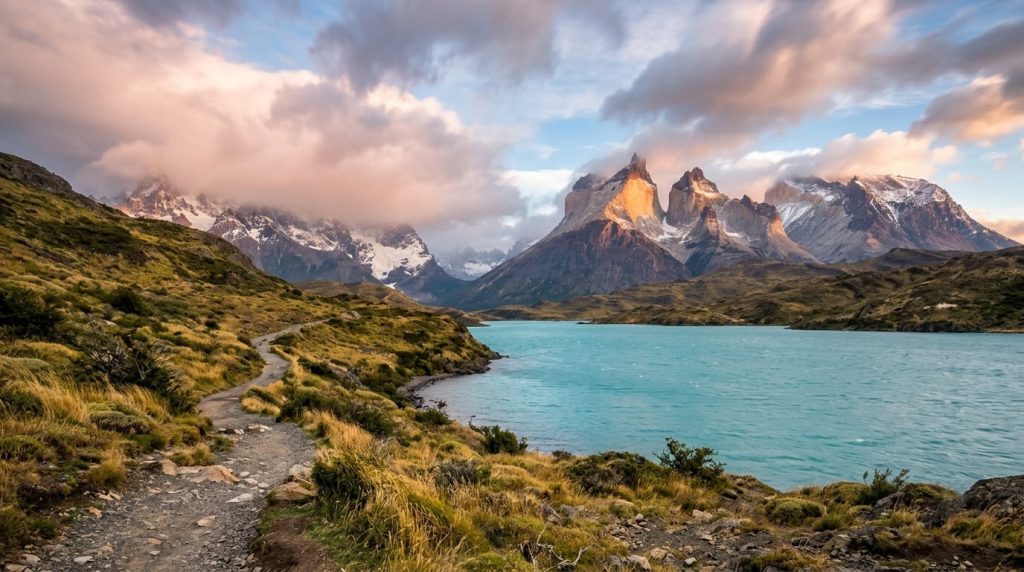
The best things to do in Patagonia center on big landscapes: the granite spires of Torres del Paine, the Perito Moreno Glacier, the Fitz Roy massif, and the Beagle Channel. Torres del Paine’s W Trek takes 4-5 days hut to hut, according to current trekking operators, so most visitors build the trip around it.
Here is a quick comparison of the main experiences, with approximate costs. Prices change, so check current operator pricing before you book.
| Experience | Typical time | Best season | Approx. cost (USD) |
|---|---|---|---|
| Torres del Paine W Trek | 4-5 days | Oct-Mar | $600-1,500 per person |
| Torres del Paine day tour | 9-11 hours | Nov-Mar | $66-120 |
| Perito Moreno Glacier | Half or full day | Year-round | $51-84 (ice trek $330-490) |
| Fitz Roy / Laguna de los Tres | 8-10 hours | Summer | Free self-guided; guided $120-400 |
| Ushuaia and Beagle Channel | Full day | Varies | $130-190 |
| Bariloche Circuito Chico | Half day | Varies | $29-75 |
Source: operator pricing and trekking blogs, 2026 (approximate)
Which Patagonia hikes are worth the effort?
Torres del Paine and Fitz Roy are the two hiking anchors. The W Trek runs 4-5 days hut to hut, while the longer O Circuit takes 7-9 days, according to park trekking guides. Fitz Roy’s Laguna de los Tres trail is a single demanding day of about 20-25 km.
1. Torres del Paine W Trek and O Circuit (Chile)
The W is the classic choice: three valleys, a glacier lake, and the famous towers at sunrise. Plan for 4-5 days with refugios at roughly $60-90 per night including meals. A full W trek, with park entry, costs about $600-1,500 per person, according to trekking blogs. That’s a wide range because camping versus refugio beds makes a large difference.
The O Circuit adds the remote back side of the park and takes 7-9 days. It suits fit, experienced hikers who can handle weather swings. Season runs roughly October to March, with November to February as the peak. March and April bring autumn colors and thinner crowds, though some services start to wind down.
Booking is the part people underestimate. Since 2023, you must reserve ahead, and refugios and campsites can fill 3-6 months out for peak dates. Tickets come in types such as Full Day, Base Torres, W, and O, delivered as a QR PDF that gets scanned at the gate.
Park fees are the murky bit. Foreign visitor fees have been reported at roughly $35 or more in high season, and some sources cite about CLP 38,000-48,500. CONAF also reportedly moved toward route-based fees in 2026. Treat any number here as a range and confirm the current price on the official CONAF site before you book.
2. Torres del Paine as a day trip from Puerto Natales
Short on time or budget? The day tour is the cheapest way in. Vans leave Puerto Natales for a 9-11 hour loop that usually includes Milodon Cave, Grey Lake, and Salto Grande waterfall. Prices run about $66-120, and a Base of the Towers day hike package is about $99.
Read the fine print. Park entry is often extra, and it may need to be paid in Chilean pesos cash. Lunch can be extra too. A day tour works well as a taster, but it leaves little time at any one viewpoint. Winter access to the park is limited, so day trips are best between spring and early autumn.
3. Fitz Roy and Laguna de los Tres from El Chalten (Argentina)
El Chalten calls itself Argentina’s trekking capital, and the main hike lives up to it. The trail to Laguna de los Tres is about 20-25 km round trip and takes 8-10 hours. The final climb gains about 400 m and is steep and rocky. Start early and bring layers, because wind and cold can arrive fast.
The best season is the Patagonian summer. Trailheads start at the edge of town, so you can hike without a tour. That makes it a great money-saver: self-guided hiking is free, while guided options from El Calafate run about $120-400. Beginners can pick shorter trails to viewpoints and still see the peaks on a clear day.
Is Perito Moreno Glacier worth the trip?
Yes, for most people. Perito Moreno near El Calafate is open year-round, and day trips cost about $51-84 per person, according to operator pricing. You can see the glacier from long walkways, from a boat, or on the ice. It’s the easiest big wow in the region.
4. Perito Moreno Glacier (El Calafate, Argentina)
The standard visit uses elevated walkways facing the glacier’s wall, where you can hear and sometimes watch chunks of ice break away. Allow most of a day including the drive from El Calafate. A boat option gets you closer to the face, and the ice trek puts crampons on your boots for a walk on the glacier itself.
The ice trek runs about $330-490, so it’s a splurge. We suggest it only if you want the hands-on experience. For many travelers, the walkways plus a boat ride give 90 percent of the thrill for a fraction of the price. Weather matters less here than in the mountains, which makes it a smart choice for a flexible schedule.
What can you do at the end of the world in Ushuaia?
Ushuaia, in Tierra del Fuego, packs a national park, a steam-style train, and Beagle Channel boat trips into one base. Full-day packages run about $152-190 according to operator pricing, and a penguin cruise is about $130. Park fees have been quoted at AR$30,000-40,000.
5. Ushuaia, Tierra del Fuego National Park, and the Beagle Channel
Tierra del Fuego National Park offers short coastal and forest walks that suit all fitness levels. The End of the World train covers a short scenic stretch. On the water, the Beagle Channel cruise passes sea lion colonies and island lighthouses, and a longer excursion goes to Isla Martillo, where you can see penguins.
Seasons here are not fully verified in our research, so check operator calendars before building plans around penguins. Local prices shift with the Argentine peso, which can swing a lot. Booking day tours in town sometimes beats booking from home, but in peak weeks spaces sell out, so reserve the penguin boat early.
Where can you see lakes, wildlife, and road trips in Patagonia?
Beyond the headline hikes, northern Patagonia offers lakes and scenic drives, and the Atlantic coast offers whales. A Bariloche half-day circuit costs about $29-75 according to operator pricing, so this is the budget-friendly side of the region.
6. Bariloche and the Circuito Chico (Lake District, Argentina)
Circuito Chico is a short loop west of Bariloche that passes lakes, forest, and the Llao Llao area. The Campanario chairlift gives a wide view over the water and surrounding peaks. Expect to pay about $29-75 for a half-day tour, or less if you rent a bike or take a public bus.
It suits families, couples, and anyone who wants Patagonian scenery without a multi-day hike. Bariloche also works as a calmer starting point if you’re flying in from Buenos Aires. Because we haven’t verified seasonal conditions here, check local sources for chairlift hours, especially in shoulder months.
7. The Carretera Austral (Chile)
The Carretera Austral, or Route 7, runs roughly 1,200 km through southern Chile from near Puerto Montt toward Villa O’Higgins. It’s best for self-drivers who like long, quiet stretches, hanging glaciers, and small towns. Many sections are gravel, and ferry crossings may be needed, so build slack into your schedule.
This is not a quick add-on. Give it at least a week, and check road and ferry conditions before you go. Renting a car is the largest cost, and one-way fees can be steep. Detailed prices weren’t in our research, so we won’t guess; compare quotes from several rental companies and ask about gravel-road restrictions.
8. Whale watching at Peninsula Valdes (Argentina)
Peninsula Valdes on Argentina’s Atlantic coast is well known for southern right whales, which visit its sheltered bays. Sightings are typically strongest from roughly June through December, with the peak in the middle of that period. Boat trips leave from nearby coastal towns, and the wider peninsula also offers sea lions and elephant seals.
It’s a long way from the mountain sights, so it fits best on a trip that includes Buenos Aires or a Chubut flight. We couldn’t confirm current tour prices from our research file, so ask operators for the latest rates. Whales are wild animals, so no tour can promise a sighting.
How much does a Patagonia trip cost?
Patagonia is not cheap, but costs vary hugely by style. A Torres del Paine W trek is quoted at about $600-1,500 per person in trekking blogs, and individual day tours cost $50-190. Transport between hubs often costs more than activities, so route planning is your biggest lever.
| Money-saving move | What you save | Trade-off |
|---|---|---|
| Camp instead of refugio beds | Often the largest single cut on the W Trek | Carry more gear, book sites early |
| Day tour instead of trek | Hundreds of dollars | Less time in the park |
| Self-guided Fitz Roy hike | Skips $120-400 guided cost | You handle navigation |
| Bariloche by bus or bike | Cuts the tour price | Slower, more planning |
| Book in shoulder months | Fewer crowds, easier beds | Shorter days, more wind |
Source: operator pricing and trekking blogs, 2026 (approximate)
A few habits keep costs down. Carry some Chilean pesos in cash for park fees and small purchases. Buy groceries in Puerto Natales or El Calafate before you head to remote areas. Eat lunch from a pack on hike days. And choose just one or two bases, since every extra border crossing or flight adds hours and dollars.
How should you plan the logistics?
Start with the park rules. Torres del Paine needs advance reservations, and accommodation sells out first. Pick your dates, then lock in refugios or campsites, then book flights and buses around them. Everything else in Patagonia is easier to adjust on short notice.
Think in clusters. Chilean Patagonia fits Puerto Natales and Torres del Paine. Argentine Patagonia fits El Calafate, El Chalten, and Perito Moreno. Ushuaia sits farther south and usually needs a flight. Bariloche and the Lake District sit north. Peninsula Valdes is on the Atlantic coast. Mixing all five in one trip means long transfers.
Pack for four seasons in a single day. Wind is the real challenge, so bring a windproof shell, warm layers, a hat, and sturdy boots. Weather can close trails or cancel boats, so keep one spare day in each hub. And before you go, read our guide to the best time to visit Patagonia to match your dates with the experiences you want most.
Find your Patagonia hotel on the map
Live prices from Booking, Airbnb and more — move the map or change dates to compare stays across Patagonia.
Frequently Asked Questions
How many days do you need in Patagonia?
Plan at least 10 days for one region and two weeks if you want both Chile and Argentina. The W Trek alone takes 4-5 days. Add El Calafate and El Chalten for another 4-5 days. Ushuaia, Bariloche, and Peninsula Valdes each need their own trip segment.
What is the cheapest way to see Torres del Paine?
A day tour from Puerto Natales is the cheapest route, at about $66-120 according to operator pricing. Park entry or lunch may be extra. If you want to hike, camping and self-catering cut the cost of the W Trek a lot, though you must still book ahead.
How much is the Torres del Paine park fee?
Sources disagree. Foreign visitor fees have been reported from around $35 in high season to roughly CLP 38,000-48,500, and CONAF reportedly moved to route-based fees in 2026. Treat these as a range and check the official CONAF site before you book.
Can you hike to Fitz Roy without a guide?
Yes. The Laguna de los Tres trail starts at El Chalten and is well marked, so many hikers go on their own. It’s about 20-25 km round trip with a final climb of about 400 m. Start early, check the forecast, and carry water and layers.
Is Patagonia worth visiting?
For hikers and landscape lovers, yes. You get glaciers, granite towers, lakes, and wildlife in a few regions. It suits people who accept long travel days and unpredictable weather. If you want beaches or nightlife, you may prefer a different destination.
Patagonia rewards travelers who plan around a few strong experiences instead of chasing the whole map. Book Torres del Paine early, confirm park fees with CONAF, and keep a spare weather day in every hub. Choose one or two bases, mix a splurge like the ice trek with cheaper days, and match your dates to the season using our best time to visit Patagonia guide.