Things to Do in Jordan in 2026: 7 Top Picks and Jordan Pass Tips
Disclosure: Some links in this guide are affiliate links. If you book or buy through them, we may earn a small commission at no extra cost to you — it helps keep our guides free.
- Think loop, not single stop: the classic route runs Amman, Jerash, Dead Sea, Dana, Petra, Wadi Rum, and Aqaba in 7 to 9 days.
- Buy the Jordan Pass before you land: it costs 70, 75, or 80 JD for 1, 2, or 3 days at Petra, and it replaces the 40 JOD visa fee.
- Jerash is the best value day trip: it’s about an hour from Amman and covered by the pass.
- Book a Dead Sea day pass, not a hotel night: resort access runs roughly $30 to $40.
- Go in spring or autumn: March to May and September to November are the most comfortable months for hiking and desert nights.
At a glance
| Attraction | Entry | Hours | Time needed |
|---|---|---|---|
| Amman Citadel and city | Citadel on Jordan Pass | 1 day | |
| Jerash | Covered by Jordan Pass | Half day | |
| Dead Sea | Day pass about $30 to $40 | Half day | |
| Petra | 50 / 55 / 60 JD | 1 to 3 days | |
| Wadi Rum | Entry about $10, tours vary | Half day to overnight |
The best things to do in Jordan go well beyond Petra. Float in the Dead Sea, walk the Roman streets of Jerash, hike the Dana Biosphere Reserve, snorkel the Red Sea at Aqaba, and eat your way through Amman. Add Petra and a night in Wadi Rum, and you’ve got a trip that fits comfortably into a week.
The smartest money move is the Jordan Pass. It costs 70 JD (about $99) for the one-day Petra version, covers more than 40 sites, and waives the 40 JOD (about $56) visa fee if you stay at least three nights. Prices change, so treat every figure here as approximate.
A common mistake is booking three Dead Sea resort nights and barely using the room. We floated for 40 minutes, showered off the salt, and spent the rest of the day sitting around. On the next visit we paid for a day pass instead, saved a few hundred dollars, and put the money toward a night at a Dana guesthouse that turned out to be the highlight of the trip.
What are the best things to do in Jordan?
Jordan’s best experiences cluster along one north-to-south road. The Jordan Tourism Board lists Petra entry alone at 50, 55, or 60 JD for one, two, or three days, so most visitors plan around that ticket. The rest of the country is cheaper per hour of fun, and it’s where you’ll find the quieter moments.
Here’s the shortlist we’d build a trip around:
- Amman: the capital, with a hilltop Citadel, a Roman theater, and some of the region’s best street food.
- Jerash: one of the best-preserved Roman provincial cities in the Middle East.
- Dead Sea: the lowest land point on earth, and a very odd swimming experience.
- Dana Biosphere Reserve: canyon hiking and stone-village guesthouses.
- Petra: the headline attraction, covered briefly below.
- Wadi Rum: red desert, jeep tours, and Bedouin camps.
- Aqaba: Red Sea reefs, shipwrecks, and warm water nearly all year.
Most of these are on the bus-and-taxi route between Amman and Aqaba, so you won’t need to backtrack much. Bringing a car adds flexibility, but it isn’t necessary.
Is the Jordan Pass worth it?
Yes, for most visitors. The Jordan Pass costs 70 JD for one day at Petra, 75 JD for two days, or 80 JD for three days, roughly $99 to $113, according to the Jordan Tourism Board. It bundles entry to over 40 sites and waives the 40 JOD visa fee when you stay three nights or more.
The math is simple. Visa on arrival is about $56. Petra alone is 50 JD for one day. Once you add Jerash, the Amman Citadel, and a few other sites, the pass pays for itself quickly. One catch: the pass isn’t a visa. You still need to be eligible to enter, and you should confirm entry rules with your own government’s travel advice before you buy.
| Item | Approximate cost | What it covers |
|---|---|---|
| Visa on arrival | 40 JOD (about $56) | Single entry, waived with a qualifying pass |
| Jordan Pass, 1-day Petra | 70 JD (about $99) | 40+ sites, visa waiver with 3+ nights |
| Jordan Pass, 2-day Petra | 75 JD | Same bundle, second Petra day |
| Jordan Pass, 3-day Petra | 80 JD (about $113) | Same bundle, third Petra day |
| Petra alone, 1/2/3 days | 50 / 55 / 60 JD | Petra only, no other sites |
Source: Jordan Tourism Board, 2026. Dollar figures are approximate and change with exchange rates.
Tip: buy online before you fly and keep the confirmation on your phone. Some travelers also print it, since border queues can be slow.
Which Jordan attractions are worth your time?
Seven stops deserve a place on most itineraries. Amman, Jerash, and the Dead Sea sit within about two hours of each other, which is why the north makes an easy three-day opening. The Jordan Pass covers Jerash and the Amman Citadel, so you’ll pay little to see two major sights before heading south.
1. Amman: Citadel, Roman theater, and street food
Amman is the practical starting point and worth at least one full day. The Citadel sits on a hill above the city, with the Temple of Hercules and views across a jumble of white buildings. Plan on about two hours there, and it’s included in the Jordan Pass.
Down below, the Roman Theater is a short taxi ride away. Then wander downtown for falafel, hummus, and knafeh, which cost just a few dollars. Rainbow Street is the place for evening coffee. Spring and autumn are the most comfortable seasons, but Amman works year-round.
Who it suits: first-timers, food lovers, and anyone who wants a base for day trips.
2. Jerash: Roman ruins an hour from Amman
Jerash is about a one-hour drive from Amman and easily the best half-day trip in northern Jordan. You’ll walk past Hadrian’s Arch, the Oval Plaza, and a long colonnaded street, with plenty of space to explore without a crowd. Entry is covered by the Jordan Pass.
Go early or late to avoid heat, and bring water, since shade is limited. Allow three hours for the site. It is far less crowded than Petra, which makes it one of the more relaxed ways to see Roman ruins anywhere.
Who it suits: history fans, families, and travelers short on budget.
3. Dead Sea: how to float without overspending
The Dead Sea is the lowest point on earth’s land surface, and the water is so salty you simply bob on top. Floating takes about 20 to 30 minutes before the sting sets in. Skip shaving beforehand, keep water out of your eyes, and don’t dunk your head.
Budget tip: resort day passes run roughly $30 to $40, based on older listings, and they often include a pool, showers, and mud. Public beaches cost less but have fewer facilities. Tours often skip the entry fee, so check what’s included before you book.
Who it suits: everyone, but especially travelers wanting an easy rest day. Spring and autumn are the most pleasant seasons.
4. Dana Biosphere Reserve: hiking without the crowds
Dana is the quiet counterpoint to Petra. The reserve offers canyon trails, wide desert views, and a tiny stone village where guesthouses serve home-cooked dinners. Day hikes run from two to six hours, and a longer Dana-to-Petra trek exists for experienced hikers.
Hire a local guide for anything beyond the marked routes. Fees vary by trail and guide, so confirm the price on arrival. March to May and September to November are the best months, since summer heat makes midday hiking unpleasant.
Who it suits: hikers, photographers, and anyone who wants a night of real quiet.
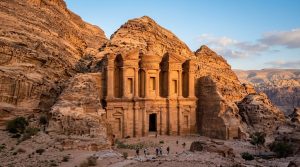
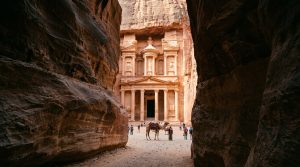
5. Petra: keep it short, plan it well
Petra is the reason most people come, and it deserves a full day at minimum. Entry runs 50 JD for one day, or you can use the Jordan Pass. Start early to beat the crowds and the heat, and wear shoes you can walk in.
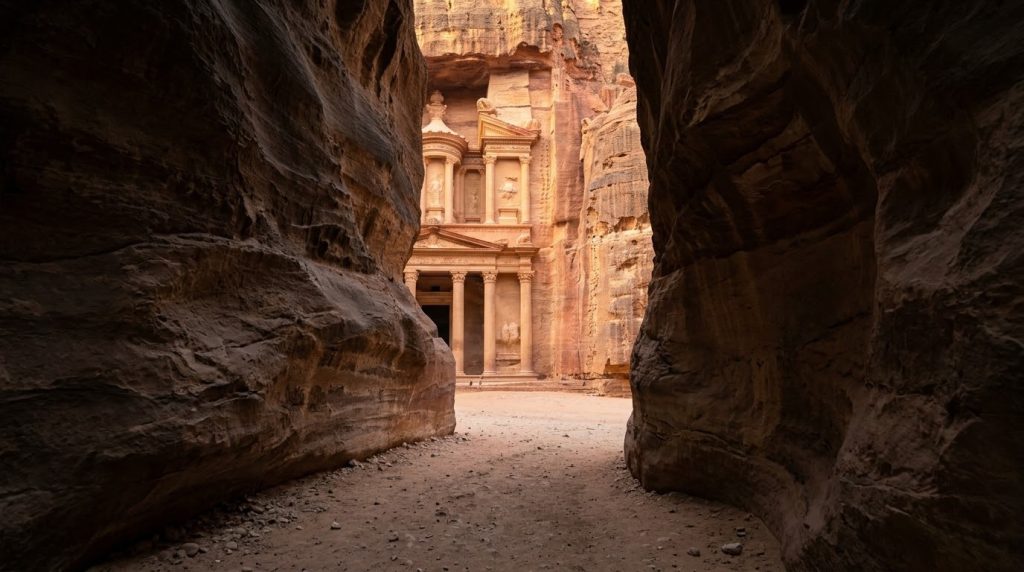
Because Petra is big, split the day: the Siq and Treasury in the morning, then the longer climbs once the first tour groups thin out. If you hold a one-day pass, that early start matters even more. Everything else on this list is easier and cheaper than Petra, so don’t let it eat your whole budget.
Who it suits: nearly everyone, whether you have one day or three.
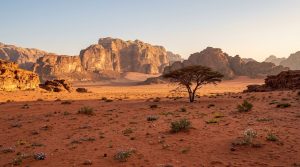
6. Wadi Rum: a Bedouin camp night
Wadi Rum is a protected desert of red sand and sandstone cliffs. Jeep tours last two to four hours, and the classic splurge is a night in a Bedouin camp with dinner under the stars. Entry is approximately $10, per an older listing, so check current fees.
Combo tours vary widely in price, so compare what’s included, such as meals, camp bedding, and the length of the jeep route. Camps range from simple to polished, and the cheapest option isn’t always the best value.
Who it suits: stargazers, couples, and families with older kids.
7. Aqaba: Red Sea diving and snorkeling
Aqaba is Jordan’s only coastal city, and it’s open for swimming and diving year-round. Reefs sit close to shore, and a few sunken wrecks attract divers. Snorkeling suits beginners, and boat trips are easy to arrange locally.
It’s also the cheapest place to end a trip. After the desert, a warm swim and a seafood dinner feel like a reward. Prices vary by operator, so ask what’s included before paying. Winter is mild here, so it’s a useful stop when the rest of Jordan is cold.
Who it suits: divers, snorkelers, and anyone who wants a beach finish.
| Activity | Time needed | Best season | Cost note |
|---|---|---|---|
| Amman Citadel and city | 1 day | Spring, autumn | Citadel on Jordan Pass |
| Jerash | Half day | Spring, autumn | Covered by Jordan Pass |
| Dead Sea | Half day | Spring, autumn | Day pass about $30 to $40 |
| Dana Biosphere Reserve | 1 to 2 days | Spring, autumn | Fees vary, confirm locally |
| Petra | 1 to 3 days | Spring, autumn | 50 / 55 / 60 JD |
| Wadi Rum | Half day to overnight | Mar-May, Sep-Nov | Entry about $10, tours vary |
| Aqaba | 1 to 2 days | Year-round | Varies by operator |
Source: Jordan Tourism Board and operator pricing, 2026. Figures are approximate.
How many days do you need in Jordan?
Plan on seven to nine days for the classic loop. That’s the sweet spot for Amman, Jerash, the Dead Sea, Dana, Petra, Wadi Rum, and Aqaba without rushing. Shorter trips work, but you’ll cut something, usually Dana or Aqaba.
A rough split looks like this:
- Days 1 to 2: Amman and Jerash.
- Day 3: Dead Sea, then drive south.
- Day 4: Dana hiking and a village night.
- Days 5 to 6: Petra, one or two days.
- Day 7: Wadi Rum and a camp night.
- Days 8 to 9: Aqaba, then fly out or return to Amman.
Short on time? Multi-day tours from Amman bundle Jerash, Petra, Wadi Rum, and the Dead Sea into about three days. No single day trip covers all of them realistically. Prices across listings are very inconsistent, so compare inclusions line by line before you pay.
When is the best time to visit Jordan?
Spring and autumn are the best times for most activities. March to May and September to November bring comfortable temperatures for hiking, desert camps, and Petra. Summer from June to August is hot but often the cheapest, which suits budget travelers who can handle the heat.
If you’re flexible, aim for the shoulder months. Our best time to visit Jordan guide breaks down each season, with notes on crowds and price swings. Aqaba is the exception: it works year-round and stays mild in winter.
How can you save money in Jordan?
Start with the Jordan Pass, since it replaces the visa fee and covers dozens of sites. Beyond that, the biggest savings come from small choices, like street food over hotel dinners and day passes over overnight stays. Jordan isn’t the cheapest country in the region, so every decision adds up.
Our best tips:
- Buy the pass before arrival and stay three nights to trigger the visa waiver.
- Choose a Dead Sea day pass instead of a resort night.
- Eat local: falafel and hummus are filling and cost very little.
- Travel in shoulder months for lower prices and gentler weather.
- Compare tour inclusions before booking, since listings for the same route can differ a lot.
- Use public transport or shared taxis between cities when schedules allow.
Prices and rules change often, so verify with official sources before you travel.
Find your Jordan hotel on the map
Live prices from Booking, Airbnb and more — move the map or change dates to compare stays across Jordan.
Frequently Asked Questions
Is the Jordan Pass worth it?
For most visitors, yes. It starts at 70 JD, covers more than 40 sites, and waives the 40 JOD visa fee if you stay three nights or more. Since Petra alone costs 50 JD for one day, the savings add up quickly once you visit a few more sites.
Does the Jordan Pass replace a visa?
No. The pass isn’t itself a visa. It waives the visa fee for eligible travelers who stay at least three nights. Check your own entry requirements before you buy, and keep the confirmation handy at the border.
How many days do you need in Jordan?
Seven to nine days covers the classic loop of Amman, Jerash, Dead Sea, Dana, Petra, Wadi Rum, and Aqaba. With only three or four days, focus on Amman, Jerash, the Dead Sea, and Petra, and save the rest for a return trip.
Can you visit Jerash as a day trip from Amman?
Yes. Jerash is about an hour’s drive from Amman and works well as a half-day or full-day outing. Entry is covered by the Jordan Pass. Go early to avoid heat and give yourself about three hours on site.
Is it cheaper to visit the Dead Sea as a day trip?
Usually, yes. A resort day pass costs roughly $30 to $40, based on older listings, and gives you access to the water, showers, and a pool. An overnight stay costs far more, and you’ll rarely need more than a few hours in the water.
Jordan rewards travelers who look past the famous stop. Build your trip around the loop, buy the Jordan Pass, and pick the shoulder seasons. Then check our best time to visit Jordan guide before you lock in dates.