Things to Do in Galapagos in 2026: 8 Top Picks and Money Tips
Disclosure: Some links in this guide are affiliate links. If you book or buy through them, we may earn a small commission at no extra cost to you — it helps keep our guides free.
- Budget for the entry stack first: about $200 park fee (adults, cash on arrival) plus a $20 Transit Control Card bought before airport check-in.
- Land-based beats cruising on price: you can reach tortoises, Tortuga Bay, Tintoreras, and Los Tuneles from Santa Cruz and Isabela.
- Snorkeling is the main event: an Isabela half-day around Las Tintoreras runs about $81-90 with operators.
- Wildlife is there all year: what shifts by month is sea temperature, crowds, and price, so check the best time to visit Galapagos.
- Never touch or feed animals: stay on marked trails and keep roughly two meters back.
At a glance
| Attraction | Entry | Hours | Time needed |
|---|---|---|---|
| Charles Darwin Research Station | Included in park fee | 1.5 to 2 hours | |
| Tortuga Bay | Free | About an hour each way | |
| Las Tintoreras (Isabela) | $81-90 | Half-day |
The best things to do in Galapagos are snorkeling with sea lions and turtles, meeting giant tortoises, walking to Tortuga Bay, and visiting the Charles Darwin Research Station. You can do almost all of it on a land-based trip, sleeping in town and taking day boats, which usually costs far less than a cruise.
The catch is the entry stack. Most sources list a $200 park fee for adult non-Ecuadorians plus a $20 Transit Control Card, both approximate and worth confirming on the official park site (galapagos.gob.ec) before you book. Once you’ve paid that, the rest of the trip is where you can save, and this guide shows you how.
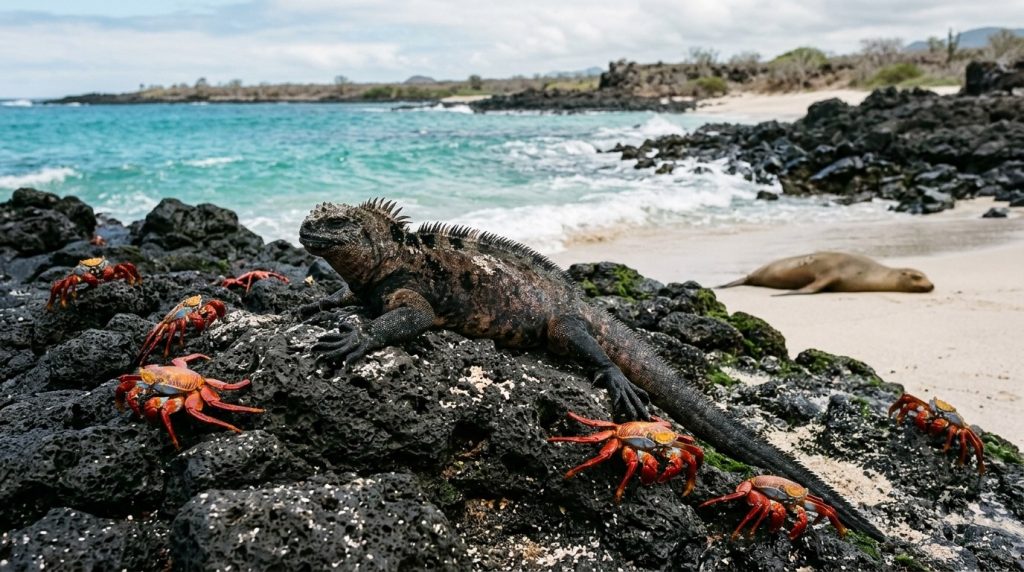
The first thing that struck me on Santa Cruz was how little the sea lions cared about us. One was asleep across a public bench near the fish market in Puerto Ayora, and locals just walked around it. I’d budgeted for expensive tours, but some of my best hours were free: the Tortuga Bay walk at 7am, with marine iguanas on the sand and almost no one else there.
What are the best things to do in Galapagos?
The best things to do in Galapagos mix free walks with a handful of paid snorkeling and boat days. Most sources put entry costs near $220 per adult before you spend anything on activities (Galapagos Conservancy, 2026). So pick the experiences that only the islands offer, and skip anything you could do at home.
Here is the shortlist this guide covers, in rough order of value for first-timers:
- Charles Darwin Research Station and tortoises on Santa Cruz
- Tortuga Bay beach walk, free
- Snorkeling with sea lions, turtles, and rays
- Bartolome and Pinnacle Rock for the classic volcanic view
- Isabela for Las Tintoreras and wild scenery
- Los Tuneles lava-tunnel snorkeling
- Kicker Rock for sharks and open-water drama
Santa Cruz is the usual base because it has the most hotels, restaurants, and ferries. Isabela is quieter and wilder, and a lot of travelers add it for two or three nights.
What does it cost to enter the Galapagos?
Entering the Galapagos costs about $220 per adult non-Ecuadorian: roughly $200 for the national park fee plus a $20 Transit Control Card (Galapagos Conservancy and Lonely Planet, 2026). Children pay about $100 for the park fee. These figures are approximate, and a few older pages still show lower numbers, so confirm before you travel.
| Entry item | Typical amount (USD) | How and when you pay |
|---|---|---|
| National park fee, adult | about $200 | Cash on arrival |
| National park fee, child | about $100 | Cash on arrival |
| Transit Control Card | about $20 | Before check-in at Quito or Guayaquil airport |
| Total per adult | about $220 | Before any tours or hotels |
Source: Galapagos Conservancy and published travel guides, 2026. Verify at the official park site before you go.
Bring crisp small bills for the park fee, since this is the item most travelers forget to plan for. We’ve also seen unconfirmed claims about new payment rules and pre-registration windows. Treat those as rumors until the official site says otherwise.
What are the top things to do in Galapagos?
The top things to do in Galapagos are tortoises, beach walks, and snorkeling, all reachable from Santa Cruz and Isabela on a land-based trip. Operator pricing for highland tortoise tours runs about $40-85, while Tintoreras half-days sit around $81-90 (operator pricing, 2026). Each activity below lists time, rough price, and who it suits.
1. Charles Darwin Research Station and giant tortoises
Start in Puerto Ayora at the Charles Darwin Research Station, a breeding and conservation center. Plan about 1.5 to 2 hours. The grounds are walkable from town and entry is usually folded into your park fee, so the visit itself costs nothing extra.
For free-roaming tortoises, head into the highlands. Reserves such as El Chato Ranch let you walk among giant tortoises and explore lava tunnels, and guided highland tours run about $40-85 depending on what’s included. It suits families, older travelers, and anyone who wants wildlife without getting wet. It works in any season.
2. Tortuga Bay
Tortuga Bay is a long white beach reached on foot from Puerto Ayora. Allow roughly an hour each way on the paved path, so go early before the sun gets strong. Marine iguanas lounge on the sand, and the far end has calmer water for a gentle paddle.
It costs nothing beyond water and sunscreen, which makes it the best free activity on Santa Cruz. Check local signs for current swimming rules, because the open-ocean beach can have strong surf. It suits budget travelers and early risers.
3. Snorkeling with sea lions and turtles
You’ll find snorkeling almost everywhere, and it’s often the highlight. Sea lions play near docks, green turtles graze in shallow bays, and rays glide over sandy bottoms. Water is warmer from December to May and cooler from June to November, so rent a wetsuit if you chill easily.
Bring your own mask and snorkel if you can, since rental quality varies. Half-day trips generally run a few hours, and most operators will fit a wetsuit. This one suits nearly everyone who’s comfortable in the water.
4. Bartolome and Pinnacle Rock
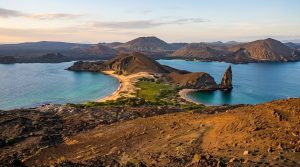
Bartolome is the postcard of the Galapagos: a volcanic cone with a wooden staircase climbing to a viewpoint over Pinnacle Rock and two curved beaches. Expect a climb of several hundred steps, so budget about an hour for the walk and photos. Sunrise or late afternoon light is best.
Bartolome is typically reached on cruises or on organized day tours, and availability and rules change, so ask your operator which visit sites are included. Prices vary a lot by season. It suits photographers and anyone who wants the classic view.
5. Isabela and Las Tintoreras
Isabela is the largest island and feels remote. The star outing is Las Tintoreras, a small lava islet near Puerto Villamil. You walk past resting whitetip sharks in a channel, then snorkel with turtles, rays, and sea lions, and sometimes see penguins.
An Isabela half-day tour is about $81-90 (operator pricing, 2026). If you’re based on Santa Cruz, a day trip to Isabela runs roughly $199-260 and takes about two hours each way by speedboat. I’d honestly stay overnight instead, since the boat time eats the day. It suits snorkelers and wildlife lovers.
6. Los Tuneles
Los Tuneles is a snorkeling site off Isabela with lava formations that form arches and channels under the surface. Calm days are best, and your guide decides whether sea conditions allow it. You’ll often see turtles, rays, and sea horses among the rock.
Operators sell it as a half-day boat trip, and pricing varies, so compare a few before booking. It suits confident swimmers who enjoy something a little more dramatic than a beach snorkel.
7. Kicker Rock (Leon Dormido)
Kicker Rock is a split volcanic spire near San Cristobal that rises straight from the sea. Snorkelers drift through the channel between the two halves, often seeing sharks, rays, and schools of fish. Currents can be strong, so it suits stronger swimmers.
Day trips usually leave from San Cristobal and combine the rock with a beach stop. Confirm price and inclusions with your operator, because I couldn’t verify a standard rate for this guide. It suits experienced snorkelers who want a bigger adventure.
Is a cruise or island-hopping better in the Galapagos?
Island-hopping on land is usually cheaper, and a cruise reaches farther-flung sites. Land-based trips of four to six days let you base yourself in Santa Cruz and Isabela and take day boats, while cruises sleep onboard and visit remote islands. Operator pricing shows the gap is often large, so weigh your priorities.
| Factor | Land-based island-hopping | Cruise |
|---|---|---|
| Typical cost | Lower; pay per tour and hotel | Higher; usually all-inclusive |
| Sites reached | Santa Cruz, Isabela, nearby day-trip spots | Remote islands such as far-off visitor sites |
| Flexibility | High; choose each day | Fixed itinerary |
| Seasickness risk | Lower; sleep on land | Higher on overnight crossings |
| Best for | Budget travelers, families, independent types | Serious wildlife fans with more to spend |
Source: operator pricing and published itineraries, 2026. Ranges are approximate and change by season.
In our experience, first-timers on a budget do well with land-based trips because you control spending daily. If you have a few extra days and a bigger budget, a cruise adds sites you can’t reach otherwise. Either way, the park fee applies.
How can you save money in the Galapagos?
You can save money in the Galapagos by sleeping on land, eating set lunches, and booking tours in person after you arrive. Entry costs alone run about $220 per adult (Galapagos Conservancy, 2026), so every extra dollar counts. A few habits cut the total without hurting the experience.
- Do the free things first. Tortuga Bay, the waterfront, and the town’s sea lion colony cost nothing.
- Eat the almuerzo. Set lunches in local restaurants are far cheaper than tourist-facing menus.
- Shop around for day tours. Prices for the same Tintoreras trip can differ between operators.
- Skip the Isabela day trip. Sleeping over avoids the long speedboat and gives you more time.
- Bring your own gear. A mask, snorkel, and reef-safe sunscreen save rental fees.
- Carry cash. The park fee is cash on arrival, and some small shops may not take cards.
If you can be flexible on dates, shoulder months often have lower prices. Our guide to the best time to visit Galapagos breaks down sea conditions and crowds by month.
What are the wildlife rules you need to follow?
The wildlife rules are strict and enforced: stay on marked trails, keep about two meters from animals, and never touch or feed them. Visitor sites are managed by the national park, and you need a licensed guide for most of them (national park authority, 2026). Following the rules protects animals that have no fear of people.
A few practical points:
- Stay with your guide at visitor sites.
- Don’t take anything (shells, sand, rocks) off the islands.
- Don’t use flash near animals.
- Keep your distance even when a sea lion pup looks friendly.
- Check your bag for seeds and food before moving between islands.
Rules and site access can change, so your operator will confirm what applies on the day.
Why so strict? Animals here evolved without land predators, so they let you get close. That trust is fragile. One careless step near a nesting bird or a pup separated from its mother can do real harm. Guides see this every week, and they will politely correct you. Take the correction well, because it keeps the encounters you came for possible a decade from now.
How should you plan your days on land?
A simple land-based plan starts with Santa Cruz for two or three nights, then moves to Isabela for two. Ferries between islands run about two hours each way and sell out in busy months (operator pricing, 2026), so book transfers early and leave a buffer before any flight home.
Here’s a rhythm that has worked for us. Spend day one on the Darwin Station and the town waterfront, since arrival days are short anyway. Use day two for the highlands and tortoises. Walk to Tortuga Bay on day three, then take the morning boat to Isabela. Save Tintoreras and Los Tuneles for your two Isabela days, with a rest afternoon between them. If you add San Cristobal for Kicker Rock, that’s another travel day, so only include it if you have a week or more.
Don’t over-schedule. Snorkeling days are tiring, and the sun is stronger than it feels with a sea breeze. A slow afternoon on a bench with a sea lion nearby is part of the trip, too.
Find your Galapagos hotel on the map
Live prices from Booking, Airbnb and more — move the map or change dates to compare stays across Galapagos.
Frequently Asked Questions
How many days do you need in the Galapagos?
Most travelers do well with five to seven days. That covers Santa Cruz highlights, a night or two on Isabela, and a couple of snorkeling days. Three days is possible but feels rushed once you add travel time between islands.
Do you need a guide in the Galapagos?
For most visitor sites, yes, a licensed guide is required. Some places, like Tortuga Bay and town areas, you can visit on your own. Check with your operator or the national park authority for current rules at each site.
Is the Galapagos worth the cost?
For wildlife lovers, usually yes, because the animals are unusually close and unafraid. Expect about $220 in entry costs before you spend on hotels and tours. Land-based trips and free activities like Tortuga Bay keep the total manageable.
Can you snorkel in the Galapagos without experience?
Yes, many sites suit beginners, especially calm bays where sea lions and turtles hang around. Kicker Rock and Los Tuneles are better for confident swimmers. Wetsuits help in the cooler months from June to November.
What should you pack for the Galapagos?
Pack reef-safe sunscreen, a hat, a reusable water bottle, and sturdy sandals or walking shoes. Bring cash for the park fee, and a small waterproof bag for boat trips. A mask and snorkel from home can save rental costs.
Between the free walks, the tortoise highlands, and a few well-chosen snorkeling days, the Galapagos can be done for less than most people assume. Budget for the entry stack, pick a base, and let the animals do the rest. Then match your dates to the sea conditions you want.