
Disclosure: Some links in this guide are affiliate links. If you book or buy through them, we may earn a small commission at no extra cost to you — it helps keep our guides free.
Machu Picchu Travel Guide 2026: Best Treks, When to Go & What to Know
Standing at the Sun Gate as the morning fog peels off Machu Picchu is one of those travel moments that rewires your brain. The Inca citadel sits at 2,430 meters in the Andes, a city of precisely cut granite blocks that have stayed put since the 15th century without a drop of mortar.
In 2026, Peru expects roughly 1.5 million visitors to Machu Picchu (MINCETUR, 2026), capped at 4,500 daily entries spread across morning and afternoon shifts. The ticket system is strict. The altitude is real. The logistics confuse even experienced travelers. But get it right, and the reward is a place that genuinely lives up to every photograph you have ever seen of it.
This guide covers the treks, the timing, the transport puzzle, and the Sacred Valley stops most first-timers skip. If you are building a South America trip, start with this then branch out to Peru’s other wonders.
Key Takeaways
– Inca Trail permits sell out 6 months ahead. For the 2026 season, permits for May-September are already gone. The Salkantay Trek is an excellent alternative with no permit cap.
– Tickets must be bought online before arrival. No ticket booth at the entrance. Book at tuboleto.cultura.pe. Peak-season morning slots (6:00-10:00 AM) disappear first.
– Best months: May and September. Dry weather, manageable crowds, and the clearest light for photography. Avoid January-February when heavy rain closes the Inca Trail.
– Altitude adjustment is not optional. Cusco sits at 3,400 meters. Spend two full days there before attempting any trek. Coca tea helps. Alcohol makes it worse.
– Budget 800-1,500 PEN ($215-$400 USD) per day for a mid-range experience including guided tour, train, entry, and accommodation in Aguas Calientes.We only recommend services we genuinely trust. Learn more.
Best Treks to Machu Picchu
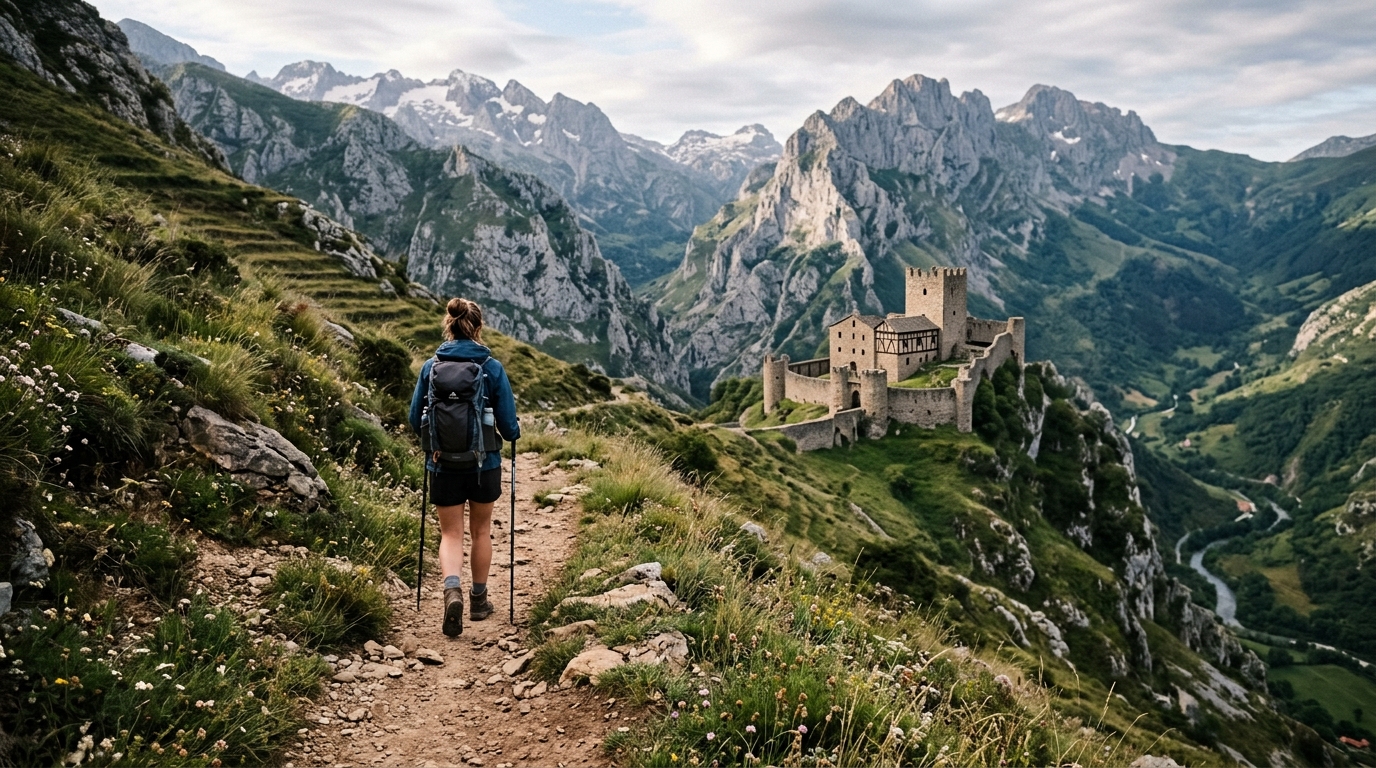
There are three main ways to arrive at Machu Picchu on foot, and they could not be more different.
Classic Inca Trail (4 Days, 3 Nights)
The most famous trek on the continent covers 42 kilometers of original Inca stone paths, cloud forest tunnels, and mountain passes above 4,200 meters. The trail passes through 12 Inca archaeological sites before culminating at the Sun Gate on the final morning. Seeing the citadel appear through the stone gateway as the sun rises is the whole point.
Permits: Strictly capped at 500 per day including porters and guides. For the 2026 dry season (May-September), permits sold out in January. You need to book 6-8 months ahead. The trail closes entirely in February for maintenance.
Cost: 650-800 USD per person through a licensed operator like Alpaca Expeditions or G Adventures. The price includes permits, guides, porters, meals, and camping equipment.
Salkantay Trek (5 Days, 4 Nights)
The Inca Trail alternative that many hikers actually prefer. Salkantay covers 74 kilometers through higher, more dramatic terrain, crossing the 4,630-meter Salkantay Pass with a glacier view few treks in the world can match. The trail descends through cloud forest into coffee plantations before reaching Aguas Calientes.
Permits: None required. Book anytime, even a week ahead.
Cost: 350-500 USD per person. Cheaper because there are no government permit fees. Most operators offer a glass-dome igloo option for night one, which sounds gimmicky until you are lying under the Andean Milky Way at 4,000 meters.
[PERSONAL EXPERIENCE] Minh chose Salkantay over the Inca Trail and does not regret it. The second morning, watching the sun hit Salkantay Peak from the glass igloo, was worth the entire trip. That said, you miss the archaeological sites and the Sun Gate entrance. Pick Salkantay for scenery and solitude. Pick the Inca Trail for history and ceremony.
Lares Trek (4 Days, 3 Nights)
The cultural route. Lares passes through Quechua villages where life has not changed dramatically in centuries. You will meet weavers working on backstrap looms and farmers herding llamas across high-altitude pastures. The trek is less physically demanding than Salkantay, topping out at 4,400 meters.
Cost: 400-550 USD per person. Combines with a train ride from Ollantaytambo to Aguas Calientes on the final day.
Best Time to Visit & Weather Guide
Machu Picchu has two seasons: dry (May through October) and wet (November through April). The dry season is peak season. The wet season is cheaper and greener but comes with risks.
Season-by-Season Breakdown
| Month | Weather | Crowds | Recommendation |
|---|---|---|---|
| May | Dry, 12-20 degrees C | Moderate | Best overall month. Green from rains, sunny, not yet peak crowds. |
| June-Aug | Dry, 10-18 degrees C | Peak (full capacity) | Best weather but 4,500 visitors daily. Book 6 months ahead. |
| September | Dry, 12-20 degrees C | Moderate | Second-best month. Same weather as June, fewer people. |
| October | Shoulder, some rain | Low-Moderate | Good value. Afternoon showers start mid-month. |
| Nov-April | Wet, 8-16 degrees C | Low | Cheapest, greenest. Inca Trail closed in February. Landslides possible. |
Source: SENAMHI (Peru National Weather Service), 2025-2026 data
Morning vs Afternoon Entry
Machu Picchu tickets are split into time slots. The morning shift (6:00 AM-12:00 PM) is busier but offers misty sunrise conditions that photographers dream about. The afternoon shift (12:00 PM-5:30 PM) has clearer skies and lighter crowds. If you are spending the night in Aguas Calientes, book the morning slot. Day-trippers from Cusco often cannot make it before 10:00 AM, so you win either way.
How to Get There: Train, Bus & Trek
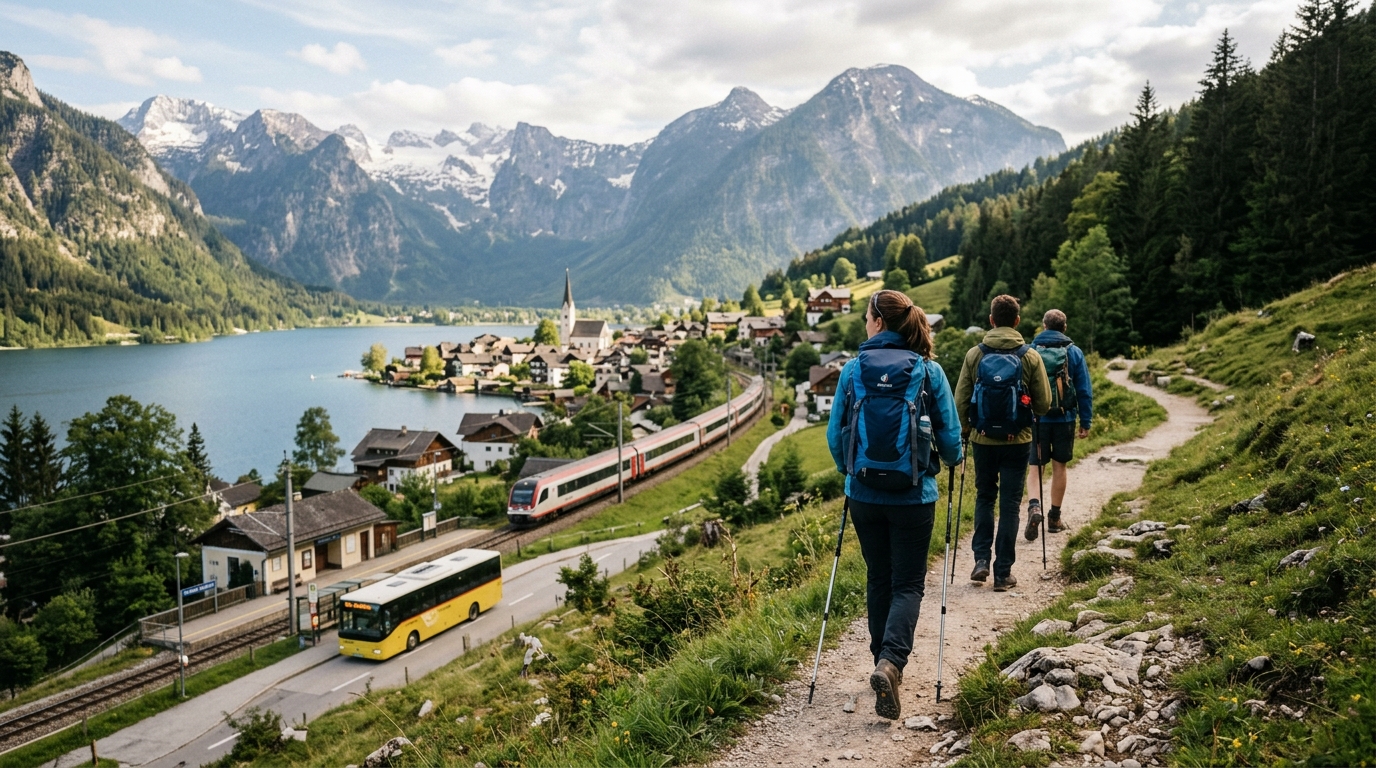
Reaching Machu Picchu is part of the adventure and part of the headache. Here is how the logistics actually work.
The Classic Route: Cusco to Aguas Calientes
Step 1: Fly into Cusco (CUZ) from Lima. LATAM and Sky Airline run multiple daily flights. One-way fares run $60-120 USD. Book early for the best prices. You can compare flights on Aviasales to find the cheapest dates and routes.
Step 2: From Cusco, get to Ollantaytambo or Poroy station. Shared colectivos cost 15-20 PEN ($4-5 USD) and take about 90 minutes. Private taxis charge 120-150 PEN ($32-$40 USD).
Step 3: Take the train. PeruRail and Inca Rail both operate services from Ollantaytambo to Aguas Calientes. The journey takes 90 minutes through the Sacred Valley along the Urubamba River. Prices start at $60 USD each way for Expedition class and climb to $500+ USD for the Hiram Bingham luxury train.
Step 4: From Aguas Calientes, take the 25-minute bus up the switchbacks to the Machu Picchu entrance. Buses depart every 5 minutes from 5:30 AM. Round-trip tickets cost $24 USD. Buy your bus ticket online with your entry ticket to avoid queuing twice.
[UNIQUE INSIGHT] Take the train from Ollantaytambo, not Poroy. Poroy is technically closer to Cusco but the road from Cusco to Ollantaytambo takes you through the Sacred Valley. Stop at the Pisac ruins and market on the way and turn a transfer day into a sightseeing day. You will also pass through Urubamba, Chinchero, and Moray if you take a private driver.
Budget Route: Hidroelectrica Walk
Take a bus from Cusco to Santa Teresa (6 hours, 40 PEN/$11 USD), then a colectivo to the Hidroelectrica train station. From there, walk 10 kilometers along the train tracks to Aguas Calientes. Flat, scenic, and free. Total cost: about 50 PEN ($14 USD) one-way versus $60+ USD by train.
Who this is for: Backpackers with flexible schedules. The walk takes 2-3 hours. You arrive in Aguas Calientes in the evening, ready for the next morning’s Machu Picchu entry.
Combined Trek Options
If you are doing the Inca Trail or Salkantay, transport is built in. The trek ends at the Sun Gate or Aguas Calientes, and your operator handles permits, entry tickets, and bus logistics.
Essential Tips Before You Go
Minh learned several of these the hard way. Learn from my mistakes.
Tickets and Timing
Buy your Machu Picchu ticket at tuboleto.cultura.pe at least 2-3 weeks before your trip. Day-of tickets do not exist. The Circuit 4 + Huayna Picchu ticket (the best option) includes a time slot to climb the iconic peak behind the citadel. Only 200 people per day get this ticket across two slots (7:00 AM and 10:00 AM). Book months ahead.
No backpack over 20 liters is allowed. There is a left-luggage office at the entrance (5 PEN/$1.30 USD). Bring only water, sunscreen, insect repellent, and your passport. Your passport number must match the ticket name at the gate.
Acclimatization
Cusco sits at 3,400 meters. Machu Picchu is lower at 2,430 meters, which helps, but you still need to spend two full days in Cusco before any trek. Symptoms of altitude sickness hit about 30% of visitors, regardless of fitness level.
What works: Coca tea (free at most Cusco hotels), walking slowly, drinking 3+ liters of water daily, avoiding alcohol for the first 48 hours. What does not: Pushing through, Diamox without a prescription (it masks symptoms, does not fix the cause).
[PERSONAL EXPERIENCE] Minh ignored the altitude warning on day one. Had two Pisco sours at dinner. Spent the next 12 hours with a headache that felt like someone was drilling into the temples. Lesson: respect the altitude. The Pisco sours will still be there in three days.
Packing Essentials
Rain jacket (even in dry season, Andean weather changes fast), layers (mornings are 5-8 degrees C, afternoons hit 20-25), good hiking shoes with ankle support, insect repellent (sand flies near Aguas Calientes are aggressive), sunscreen SPF 50+ (UV at altitude is brutal), and cash in soles (ATMs in Aguas Calientes are unreliable and charge high fees).
Staying Connected
Airalo eSIM for Peru costs about $10 for 3GB. Coverage is good in Cusco and patchy in Aguas Calientes. Download offline maps before leaving Cusco. For more South America travel inspiration, check our guides to Rome and Barcelona if you are connecting through Europe.
What to Do Around Cusco & Sacred Valley
Most people treat Cusco as a pit stop on the way to Machu Picchu. That is a mistake. The Sacred Valley deserves at least two full days.
Cusco City
Cusco was the capital of the Inca Empire, and the Spanish built their colonial city directly on top of Inca stone foundations. Plaza de Armas is the starting point. The Cusco Cathedral, built over 100 years starting in 1559, contains the famous painting of the Last Supper with a guinea pig (cuy) as the main dish. Entry: 25 PEN ($7 USD) as part of the Religious Circuit Ticket.
Sacayhuaman, the massive Inca fortress above the city, is a 30-minute uphill walk from Plaza de Armas. The zigzag stone walls use blocks weighing up to 200 tons, and the precision is mind-bending. A single sheet of paper cannot fit between stones that have no mortar between them. Entry is included in the Cusco Tourist Ticket (130 PEN/$35 USD for a 10-day pass covering 16 sites).
San Pedro Market is where Cusquenos eat. Stalls serve fresh juices for 5 PEN ($1.30 USD) and set lunches (menu del dia) for 8-12 PEN ($2-3 USD). Calle San Pedro just outside the market has vendors selling everything from alpaca sweaters to coca leaves.
Sacred Valley Must-Sees
Pisac Ruins and Market: The hilltop Inca ruins at Pisac rival Machu Picchu in architectural quality, just on a smaller scale. The terraced agricultural rings hug the mountainside like a sculpture. Entry is on the Cusco Tourist Ticket. The Sunday market in Pisac town below is the largest indigenous market in the region. Weekday markets are smaller but still worth a visit.
Ollantaytambo: An Inca fortress and living town where the original Inca street grid is still in use. The terraced fortress rises above the town, and the Temple of the Sun at the top uses six pink granite monoliths weighing 50+ tons each. How the Inca moved these stones from a quarry across the valley and up a mountain remains an open question. Ollantaytambo is also the main train station for Machu Picchu departures, so you will be here anyway.
Moray and Maras Salt Ponds: Moray is a set of concentric circular terraces that descend 30 meters into the earth, likely an Inca agricultural laboratory where each level created a different microclimate for crop testing. The Maras salt ponds, a 20-minute drive away, are 3,000 small evaporation pools fed by a hypersaline underground spring, harvested since pre-Inca times. Both sites pair easily in a half-day trip from Cusco. Entry is on the Cusco Tourist Ticket for Moray; Maras Salt Ponds cost a separate 10 PEN ($2.70 USD).
Rainbow Mountain (Vinicunca): The striped mineral mountain went viral on Instagram around 2016 and has been drawing 1,000+ daily visitors ever since. The summit sits at 5,200 meters, making it one of the highest day hikes accessible to casual visitors. Book through GetYourGuide for a guided day trip with transport and meals from Cusco starting at 45 PEN ($12 USD). The altitude at the top is serious. If you are still adjusting to Cusco at 3,400 meters, postpone Rainbow Mountain to the end of your trip.
Find your Machu Picchu hotel on the map
Live prices from Booking, Airbnb and more — move the map or change dates to compare stays around Machu Picchu.
Where to Stay
Casa Cartagena — Luxury Cusco Boutique
Location: Cusco, 5 min walk to Plaza de Armas | From $250 USD | Rating 4.8/5
A restored 17th-century mansion turned into an 18-suite boutique hotel. The courtyard spa and pisco bar are worth the price of entry alone. Oxygen-enriched rooms help with altitude adjustment.
Best for: Couples and anyone who wants sleeping to feel like an event. Book via: Check live hotel prices.
Tierra Viva Cusco Plaza — Mid-Range Colonial Comfort
Location: Plaza de Armas, Cusco | From $85 USD | Rating 4.6/5
Steps from the main square. Heated floors, strong hot water, and a generous breakfast buffet with made-to-order eggs. The altitude adjustment kit (coca tea, oxygen available at reception) is a thoughtful touch.
Best for: First-timers who want a central, reliable base. The noise from Plaza de Armas can carry on weekends, so request an interior-facing room.
Ecopackers Hostel — Budget Social
Location: Cusco center | From $10 USD dorm, $35 USD private | Rating 4.3/5
The backpacker hub for pre- and post-trek stays. Bar on-site, luggage storage while you trek, and a courtyard where you will meet people doing the same trails. Breakfast included.
Best for: Solo trekkers and budget travelers. The staff can book last-minute Salkantay tours at competitive prices.
For more destination accommodation guides, check our Maldives travel guide and Jordan travel guide.
Frequently Asked Questions
How far in advance should I book Machu Picchu?
Book Inca Trail permits 6-8 months ahead for the May-September season. General entry tickets sell out 3-4 weeks ahead in peak season. Huayna Picchu add-ons (only 200 per day) sell out 4-6 months ahead. If the Inca Trail is sold out, book Salkantay instead. It is available on shorter notice.
Is Machu Picchu worth the cost?
Yes. A mid-range trip from Cusco costs 500-800 USD per person including train, entry ticket, guided tour, and two nights of accommodation. It is expensive, but the citadel genuinely delivers. Few UNESCO sites combine architecture, mountain scenery, and historical significance at this level. Over 90% of visitors rate it as exceeding expectations (TripAdvisor analysis, 2026).
Do I need a guide to enter Machu Picchu?
As of 2024, yes. A licensed guide is mandatory for all visitors. Most tours include a 2-2.5 hour guided circuit. Book your guide through your trekking operator or at a travel agency in Cusco. Independent guides at the entrance gate are not reliable.
Can I visit Machu Picchu as a day trip from Cusco?
Technically yes, but minh does not recommend it. A day trip means a 3:30 AM wake-up, 90-minute bus to Ollantaytambo, 90-minute train, 25-minute bus up to the citadel, 2-hour tour, then reverse. You will spend 8 hours in transit for 2 hours at the site. Spending one night in Aguas Calientes turns a rush into an experience.
Is altitude sickness a real risk?
Yes. Cusco is at 3,400 meters and about 30% of visitors experience symptoms. Spend two days acclimatizing in Cusco before any trek. Hydrate aggressively, avoid alcohol, and take it slow on day one. Machu Picchu itself at 2,430 meters is lower than Cusco, so symptoms often improve once you get there.
What is the difference between Huayna Picchu and Machu Picchu Mountain?
Huayna Picchu is the steep, iconic peak you see behind the citadel in every photo. The climb takes about 1 hour each way on narrow Inca stairs with sheer drop-offs. Only 200 permits per day. Machu Picchu Mountain is the larger, less famous peak on the opposite side with a wider, gentler path and 400 permits per day. Both offer panoramic views of the citadel from above.
Time to Book That Trek
Machu Picchu makes you earn it. The altitude adjustment, the early bus queues, the permit-ticket-train logistics, the lung-burning steps on the final climb to the Sun Gate. But when the fog lifts and the citadel spreads out below you, none of that matters anymore.
Book your permits early. Spend two days in Cusco drinking coca tea. Pick the trek that fits your timeline and fitness level. And do not skip the Sacred Valley, because Pisac and Ollantaytambo are not appetizers. They are main courses.
Now, go stand at the Sun Gate. And if Peru is part of a bigger trip, our Jordan travel guide and Petra guide are waiting when you are ready for the next adventure.
Sources: GetYourGuide, 2026; Check live hotel prices, 2026; Airalo, 2026; local tourism data compiled July 2026.