Is Rome Worth Visiting? (2026)
Disclosure: Some links in this guide are affiliate links. If you book or buy through them, we may earn a small commission at no extra cost to you — it helps keep our guides free.
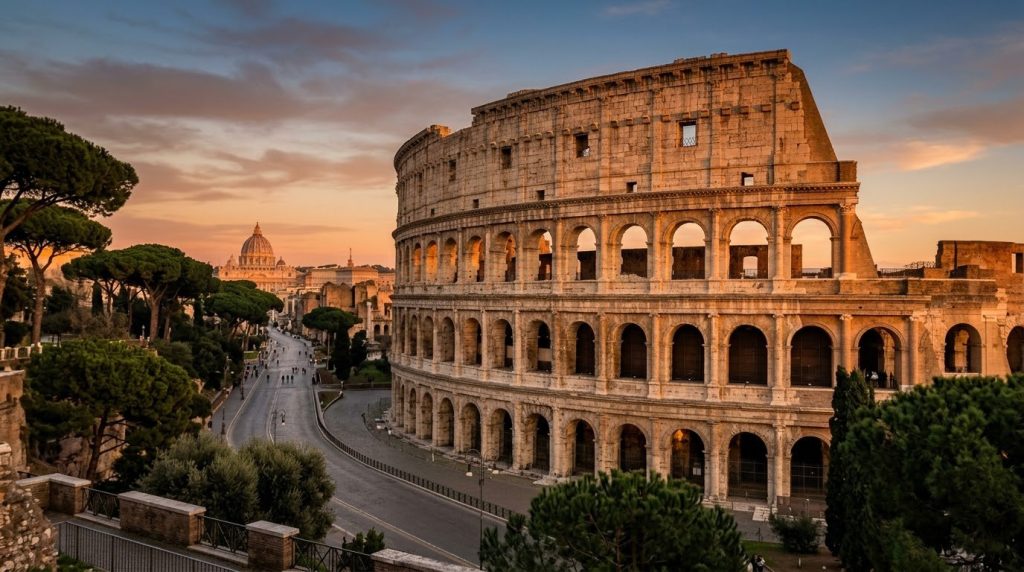
Rome is worth visiting in 2026: a combined Colosseum, Roman Forum and Palatine Hill ticket costs USD 21 (EUR 18) at today’s exchange rate of roughly 1.16, and the crowd surge that followed 2025’s Jubilee Year, when 33.5 million pilgrims moved through the city, has settled back to normal seasonal levels this year.
It stops being worth it if you have two full days or fewer and try to force the Vatican, the Colosseum and Trastevere into that window on foot in August heat that regularly clears 35°C (95°F).
| Traveller type | Worth it? | Nights to give it | Why |
|---|---|---|---|
| First-time Italy visitor | Yes | 3-4 | Concentrated history, walkable center, easy trains onward |
| Family with young kids | Conditional | 2-3, off-peak | Doable outside summer, hard in July-August heat |
| Budget backpacker with tight time | Conditional | 2 minimum | Skip Vatican paid areas, focus free sights |
| Repeat Italy traveller wanting quiet | No | 0-1, pass through | Rome never gets genuinely quiet |
| Food and history focused traveller | Yes | 4+ | Depth rewards slow pacing over rushing |
| Day-tripper from elsewhere in Italy | Conditional | 1 (long day) | Sees highlights, misses the atmosphere |
What Rome has that nowhere else does
No other European city stacks three world-class layers into one walkable core the way Rome does.
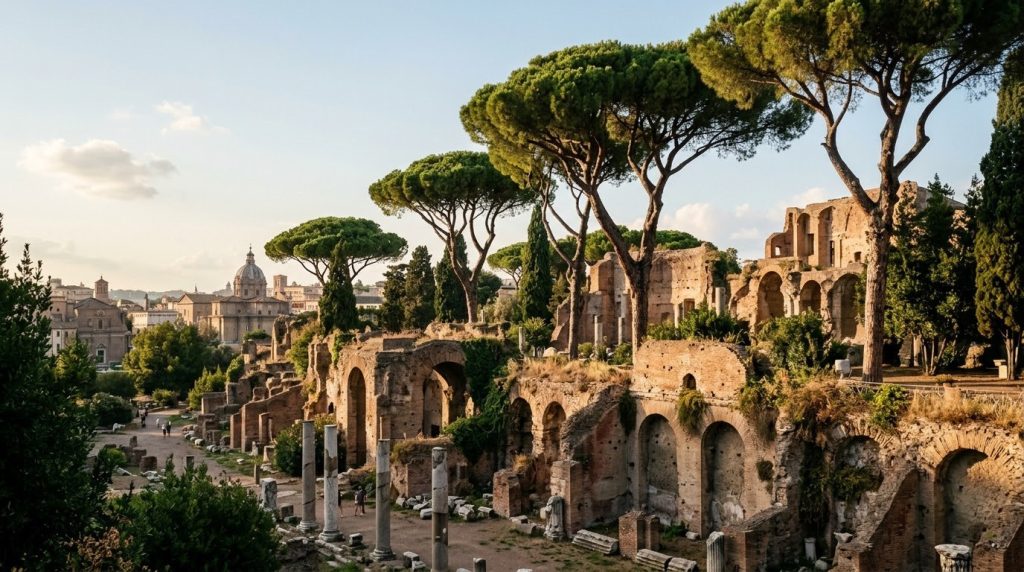
Ancient Rome (the Colosseum, the Roman Forum, the Palatine Hill), the Vatican (St. Peter’s Basilica and the Sistine Chapel), and the Renaissance-Baroque city (the Pantheon, Piazza Navona, the Trevi Fountain) all sit within a compact center that most visitors can cross on foot in under an hour. Florence has the art. Athens has the ancient ruins.
Nowhere else has both, plus a working papal city-state, inside a single 5 km radius.
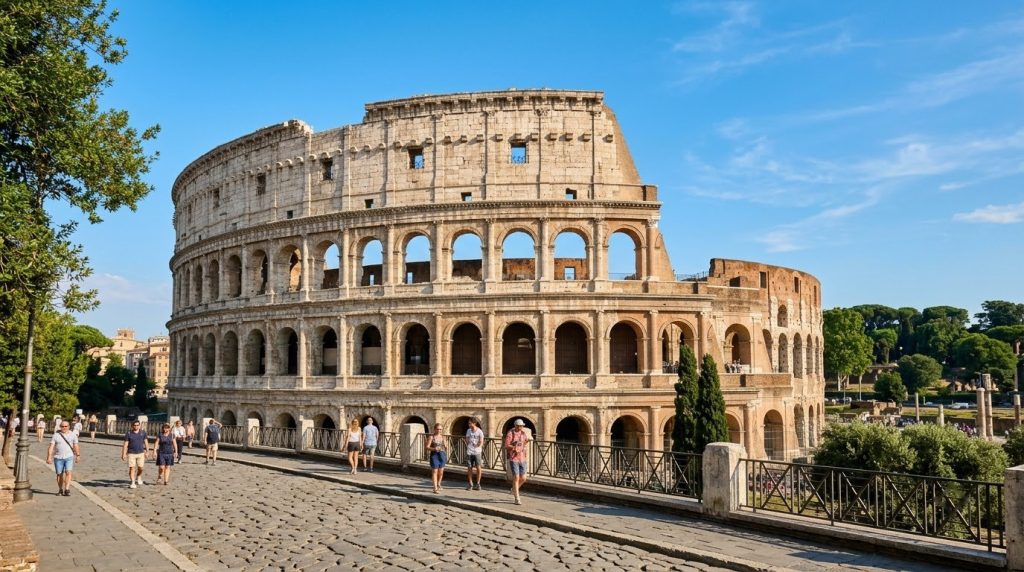
2026 is also a genuinely better year to see it than 2025 was. The Jubilee preparations left much of central Rome under scaffolding for two years, and several landmark restorations finished on schedule: the Colosseum, the Trevi Fountain and Piazza Navona all received deep cleaning that is now visible, and the Sistine Chapel’s Last Judgment conservation work, which ran into early 2026, wrapped before Holy Week.
Rome looks better maintained now than it has in a decade, without the scaffolding that photographed badly for years.
The queue and ticket system, in practice
The Colosseum’s queue problem is largely solved on paper, and it holds up in practice if you book correctly. Entry runs on a timed-slot system: your ticket admits you during a fixed 15-minute arrival window that staff enforce at the gate, and tickets go on sale 30 days ahead of the visit date.
The standard combined ticket, covering the Colosseum, Roman Forum and Palatine Hill on one 24-hour pass, costs USD 21 (EUR 18); an arena-floor upgrade runs closer to USD 28 (EUR 24).
The part that catches people out is that Colosseum tickets are nominative. Each one is issued in a specific visitor’s name, staff check photo ID against that name at the entrance, and the ticket cannot be transferred or resold.
This is a deliberate anti-touting measure, and it means the street vendors near the Colosseum offering “skip the line” access on the spot are selling something that either does not work or does not exist. Book directly through the official Parco Archeologico del Colosseo site, or a listed reseller, before you fly.
If you are mapping out which sites to hit on which day, a 3-day Rome itinerary is the fastest way to sequence the booking windows correctly.
Where the crowds genuinely ruin it, and where they do not
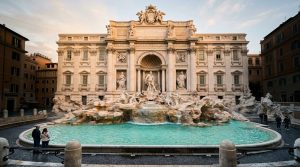
The crowds ruin exactly a handful of spots in Rome and leave the rest of the city alone. The Trevi Fountain between 11am and 4pm, the Spanish Steps on any afternoon, and the immediate plaza outside the Colosseum are genuinely unpleasant: shoulder-to-shoulder crowds, aggressive selfie-stick and rose vendors, and a real risk of pickpocketing in the crush. Our honest Rome safety guide explains why the only safe place to buy Colosseum tickets is the official site.
These three spots are also where scam artists concentrate, running fake “skip the line” offers and inflated taxi fares aimed specifically at people who look lost.
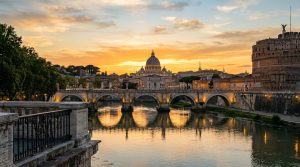
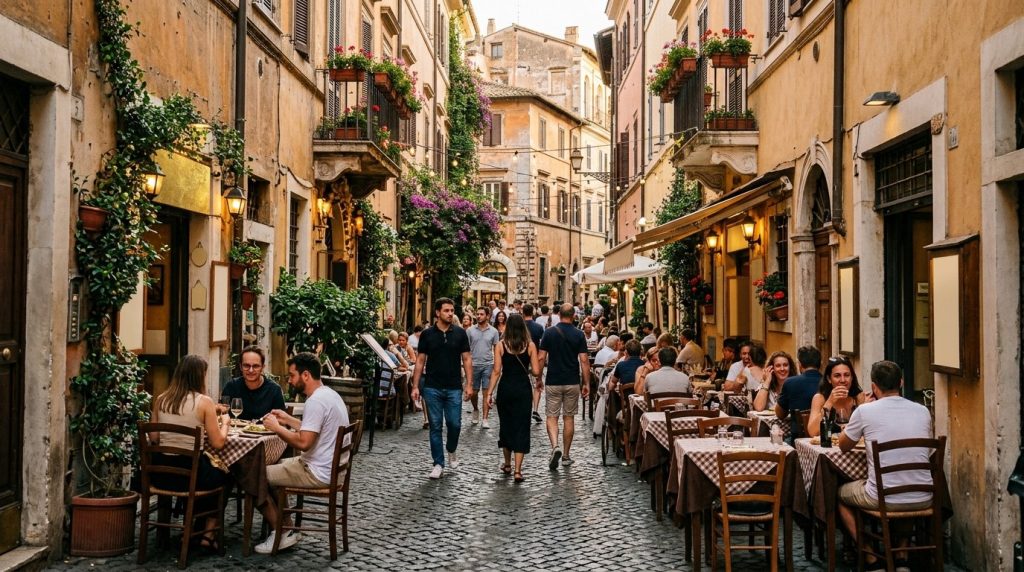
Walk five minutes past any of them and the picture changes completely. Trastevere’s backstreets, the Aventine keyhole view of St. Peter’s dome, the Testaccio market, and the Pantheon before 9am are calm, and a Colosseum visit at opening time feels almost private compared to midday.
Timing matters more than most guides admit: visiting in the shoulder months rather than peak summer changes the crowd experience more than any queue-skipping ticket does, and the best time to visit Rome breaks down exactly which weeks deliver that trade-off.
Rome as a first Italy trip, or a later one
Rome works better as a later Italy trip than a first one, unless you give it enough nights to absorb the pace. First-time visitors often arrive expecting a slower, prettier Italy from postcards and instead get a loud, hot, traffic-heavy capital that takes a day just to get comfortable navigating.
Travellers who have already done a slower Italian town first, somewhere like Lake Como or a Tuscan hill town, tend to enjoy Rome more because they arrive without that mismatch and treat it as the intense capital chapter rather than the whole trip.
That said, Rome is not a mistake as a first stop if the itinerary respects it. The travellers who do it well as their first Italian city give it four nights minimum rather than the rushed two, so the second half of the stay can slow down once the must-see list is checked off.
If you are deciding how long to actually allocate, how many days in Rome walks through the trade-offs by trip length.
Who should skip Rome
Travellers chasing a quiet, slow Italy should skip Rome entirely rather than try to squeeze it in.
Rome does not have an off-peak version of itself the way a lake town does; even in January the center around the Pantheon and Trevi is busy, and there is no season where the traffic noise or the crowds at the top sites fully disappear.
Families with toddlers on a tight two-day layover should also skip it or cut it to one long day, since stroller-hostile cobblestones, long museum queues even with pre-booked tickets, and the summer heat make the paid sights genuinely hard with small kids.
Anyone with mobility limitations who struggles on uneven, cambered stone streets should weigh this seriously too, since much of the historic center has no smooth alternative route. None of this makes Rome a bad city. It makes it the wrong city for a specific kind of trip, and forcing it in anyway is where most bad Rome experiences actually come from.
Where to stay if you decide to go
Where you stay in Rome changes the trip more than almost any other decision, because the historic center is small enough that location dictates how much walking and traffic noise you deal with daily. Centro Storico puts you within walking distance of the Pantheon, Trevi Fountain and Piazza Navona but runs the highest nightly rates.
Monti, just north of the Colosseum, offers a quieter, more residential feel at a lower price without sacrificing the walk to the ancient sites. Prati suits families and Vatican-focused visitors who want tree-lined calm a short walk from St. Peter’s, while the area near Termini station works for budget travellers prioritising transit access over atmosphere.
A full breakdown of where to stay in Rome by traveller type and price band covers all five zones in depth.
Find your Rome hotel on the map
Live prices from Booking, Airbnb and more — move the map or change dates to compare stays across Rome.