Best Time to Visit Panama in 2026: Month-by-Month Weather Guide
Disclosure: Some links in this guide are affiliate links. If you book or buy through them, we may earn a small commission at no extra cost to you — it helps keep our guides free.
- Dry season is mid-December to mid-April: this is the safest window for beaches, San Blas, and highland hiking, and it’s also peak pricing.
- Green season is May to November: mornings are often sunny, afternoons are wet, and hotel rates drop noticeably.
- Bocas del Toro breaks the rules: it has no reliable dry season, and September and October are often its clearest months.
- Boquete is best January to April: trails are drier and the cooler highland air is a break from Panama City’s heat.
- Book early for Easter and Carnival: Holy Week and the pre-Lent Carnival weekend fill rooms and transport fast.
The best time to visit Panama is the dry season, from mid-December to mid-April. Skies are mostly clear, the San Blas seas are calm, and Boquete’s trails are easy to hike. It is also high season, so you’ll pay more and book earlier, especially around Easter.
The green season (May to November) is cheaper and quieter, but expect heavy afternoon downpours. The big exception is Bocas del Toro on the Caribbean side, which follows its own pattern and is often clearest in September and October. Below you’ll find the weather by month, a region-by-region breakdown, whale watching timing, and how to save money in each season.
The first time we planned Panama, we assumed “rainy season” meant a washout and booked for March. In the green season, mornings are usually bright and the rain tends to arrive like clockwork after lunch. We simply shifted our canal visit and Casco Viejo walk to the morning and kept afternoons flexible. The savings on rooms more than covered a few umbrellas.
When is the best time to visit Panama?
For most travelers, the best time to visit Panama is the dry season, which runs from mid-December to mid-April according to guides such as Lonely Planet and Rough Guides. Rain is light, humidity eases a little, and the Pacific coast, San Blas, and the highlands are all at their most reliable.
Panama sits just north of the equator, so there is no real winter. Temperatures in Panama City stay hot all year, with daytime highs usually in the upper 80s F (around 30 C). What changes is the rain, not the temperature. The country has two seasons: dry (verano) and wet (invierno), and locals use those words to describe them.
If you can only pick one window, aim for January to March. You get the most dependable weather, and you can pair the capital with the islands without much risk. If you want a calmer trip, the shoulder weeks of late April and early December often give you decent weather with lighter crowds. For ideas on what to fit into your days, see our guide to the best things to do in Panama.
What is the weather like in Panama month by month?
Panama’s weather is warm all year, with a dry season from about mid-December to mid-April and a wet season from May to November, per national weather service patterns. Afternoon rain is the norm in the wet months, while October and November are typically the wettest.
| Month | Season | Rain on the Pacific side | Best for | Notes |
|---|---|---|---|---|
| January | Dry | Low | Beaches, San Blas, Boquete | Peak season, book ahead |
| February | Dry | Very low | City tours, islands | Carnival often falls in Feb or March |
| March | Dry | Very low | Beaches, hiking | Hottest and driest stretch |
| April | Dry to wet | Low, rising late | Easter, Boquete | Holy Week is the busiest week |
| May | Wet | Moderate to high | Budget travel | Rains build, prices drop |
| June | Wet | Moderate | Birding, quiet trips | Often a short mid-year lull in rain |
| July | Wet | Moderate | Whale watching, deals | Humpback season begins on the Pacific |
| August | Wet | Moderate to high | Whale watching | Afternoon storms common |
| September | Wet | High | Bocas del Toro | Caribbean side often clearest |
| October | Wet | Very high | Bocas del Toro, bargains | Often the wettest month in the capital |
| November | Wet | Very high | Cheap flights, quiet sights | Rain starts easing late month |
| December | Dry from mid-month | Falling | Holidays, city trips | Christmas week is expensive |
Source: national weather service seasonal patterns and tourism board guidance, 2026
Treat the table as a general guide rather than a promise. Rain varies year to year, and local microclimates matter, especially in the mountains. Check a forecast about a week before you travel and keep one rain-friendly activity in your back pocket.
Is the rainy season really a bad time to visit Panama?
The rainy season is not a bad time to visit if you plan around it. From May to November, Panama typically sees sunny mornings and heavy showers in the afternoon, and many lodging rates fall well below dry season levels, according to operator and hotel pricing patterns in 2026.
Here’s what we’ve found works. Schedule outdoor sights (the Miraflores Locks, Casco Viejo, hikes, boat trips) before noon. Use afternoons for museums, long lunches, or coffee tastings. Pack a light rain jacket and quick-dry clothes, because umbrellas are awkward on wet, crowded sidewalks.
The green season also has real upsides. Rainforests look lush, waterfalls are fuller, and popular spots feel less crowded. Wildlife is active, and prices for rooms and some tours are lower. What are the downsides? Some boat trips cancel in rough weather, certain dirt roads get muddy, and October and November can be rainy enough to disrupt plans for several days in a row.
What is the best time for each region of Panama?
Panama’s regions follow different rain patterns, so the best time depends on where you’re going. The Pacific side, including Panama City and San Blas, is best in the dry season (December to April), while Bocas del Toro on the Caribbean coast is often clearest in September and October, with March and April also suggested.
| Region | Best months | Why | Watch out for |
|---|---|---|---|
| Panama City and the canal | Dec to April | Dry, easy sightseeing | Hot sun, higher hotel rates |
| San Blas (Guna Yala) | Dec to April | Calmer seas, clear skies | Rough boat rides in wet months |
| Bocas del Toro | Sept to Oct, Mar to Apr | Calmer, clearer Caribbean weather | No reliable dry season |
| Boquete and the highlands | Jan to April | Drier trails, cooler air | Afternoon mist and drizzle year-round |
| Pacific islands and Coiba | Dec to April | Better visibility and sea conditions | Higher prices at peak |
Source: national tourism board and regional travel guides, 2026
Panama City and the canal
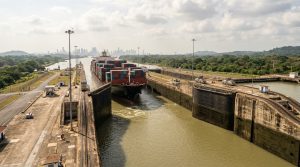
Panama City is hot and humid all year, so the dry season is the most comfortable for walking. A visit to the Miraflores Locks visitor center to watch ships transit works in any month, and a half-day city and canal tour is a good rainy-day plan because most of it is covered or short.
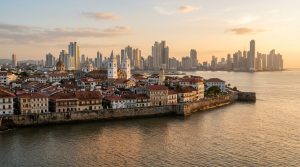
In the wet season, go early. The Casco Viejo old quarter, with its sea wall and rooftop bars, is lovely on a clear evening in January and still enjoyable in July if you time it between showers.
San Blas (Guna Yala) islands
San Blas is best from December to April, when seas are calmer and the 4×4-plus-boat journey is smoother. These islands are run by the Guna people, and many trips involve a long travel day. A typical day trip from the capital is around 14 hours and costs roughly $145 per person, approximate and subject to change, so overnight stays make more sense if you want time on the sand.
Bocas del Toro
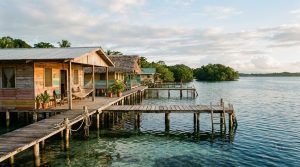
Bocas del Toro has no dependable dry season, which surprises many first-time visitors. Rain can fall in any month, but September and October are widely cited as the clearest, and March and April are also good. It’s one of the few places in Central America where the “off season” can be the better season.
If you’re hopping between islands for snorkeling and beaches, pick a window with calmer water and build in a spare day. Budget stays start around $50 a night, approximate.
Boquete and the highlands
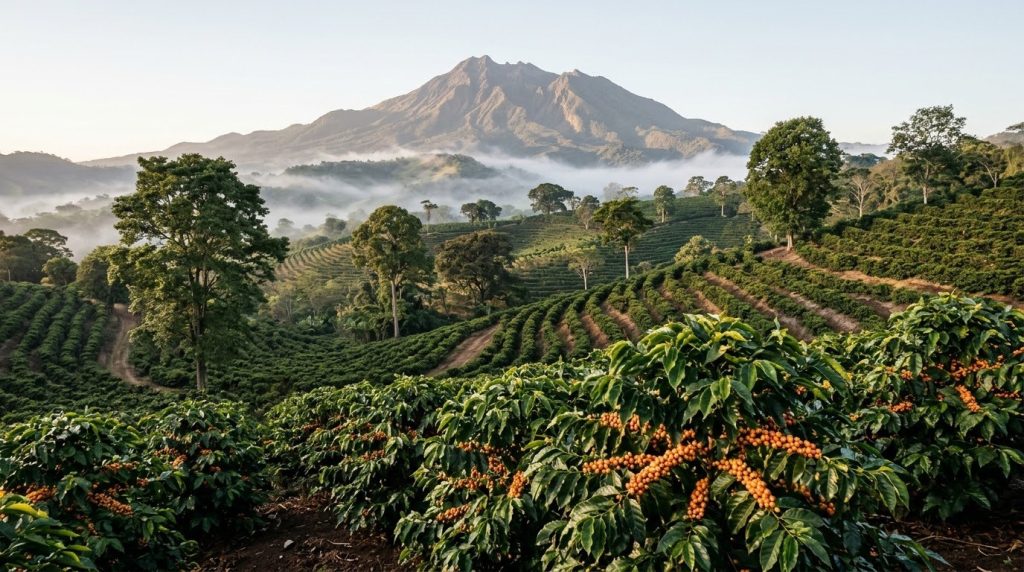
Boquete is a cool highland town known for coffee farms, cloud forest, and hiking. January to April is the driest stretch, and trails are easiest then. Even in the dry season, mist and light drizzle can roll in during the afternoon, so bring a layer. Mid-range stays here often run about $130 to $150 a night in listings, approximate.
When is whale watching season in Panama?
Humpback whale watching in Panama’s Pacific waters generally runs from about July to October, when whales from the southern hemisphere migrate north to breed and calve, according to widely cited marine tourism guidance. The Pearl Islands and the waters around Coiba are the best-known areas.
That timing is a nice trade-off. It falls in the green season, so you’ll find lower prices, quiet beaches, and fewer crowds. Sea conditions can be bumpy, though, so choose a reputable operator, ask about cancellation policies, and plan a backup day.
Late summer is also good for birding and for seeing lush rainforest. If whales are your priority, base yourself in the capital or on the Pacific coast, then add Bocas or San Blas in a different part of your trip rather than trying to cram everything into one week.
How do prices change by season in Panama?
Prices in Panama are highest in the dry season, especially at Christmas, New Year, Carnival, and Easter. Rough Guides notes that most stays run roughly $50 to $110 a night, with mid-range from about $55 and luxury often from $150, and the green season typically sits at the lower end.
| Season | Months | Typical demand | Money-saving angle |
|---|---|---|---|
| Peak | Mid-Dec to Jan, Carnival, Holy Week | Very high | Book rooms and transport early |
| High | Feb to mid-April | High | Mix the city with one island stay |
| Shoulder | Late April, early Dec | Moderate | Good weather, fewer crowds |
| Green | May to Nov | Low | Lowest room rates, flexible bookings |
Source: operator and lodging pricing patterns, 2026 (approximate, check current rates)
A few practical ways to save:
- Book Easter early: Holy Week is the busiest and priciest stretch, and rooms in popular spots can sell out weeks ahead.
- Travel in late November or early December: you may catch the end of the rains and the start of the dry season before holiday pricing kicks in.
- Go midweek: weekends in the capital and on the beaches are busier, particularly during long holiday weekends.
- Mix regions smartly: spend the wet months where it’s drier (Bocas in September and October) and save the Pacific for the dry season.
- Compare lodging areas: where you stay can change your bill more than the month. Our guides to the best hotels in Panama and where to stay in Panama break down the options by area and budget.
Prices change often, so treat every figure here as a rough guide and check current rates before you book.
What events and holidays affect travel timing?
Panama’s busiest travel periods are Holy Week, the pre-Lent Carnival, and the November national holidays, when domestic travel spikes and prices rise, according to the national tourism board’s holiday calendar. Local families head to beaches and the interior, so book transport and rooms ahead.
Carnival falls in February or March, depending on the date of Easter, and it’s loud, crowded, and fun in the cities and in Las Tablas. If you don’t love crowds, avoid those long weekends for beach towns. November is full of patriotic holidays in early and late month, and some businesses close, so check opening hours.
The upside of holiday timing is atmosphere. If you want a festival, plan around it and book well in advance. If you want a quiet beach, check a Panama holiday calendar before you lock dates. Little planning here saves a lot of frustration.
Find your Panama hotel on the map
Live prices from Booking, Airbnb and more — move the map or change dates to compare stays across Panama.
Frequently Asked Questions
What is the cheapest month to visit Panama?
The cheapest months are usually in the green season, particularly September through November, when demand is lowest. Hotel rates and some tour prices fall compared with the dry season. The trade-off is heavy afternoon rain, so plan indoor backups and do outdoor activities in the morning.
Does it rain all day during the rainy season in Panama?
Usually not. Many days start sunny, with showers building in the afternoon or evening. The exception is the wettest stretch in October and November, when several wet days can run together. Bocas del Toro is different, with rain possible in any month.
What is the best month to visit Bocas del Toro?
September and October are widely cited as the clearest months in Bocas del Toro, with March and April also suggested. There is no reliable dry season there, so keep your itinerary flexible and expect occasional showers in any month.
Is Panama safe from hurricanes?
Panama lies south of the main Atlantic hurricane belt, so direct hurricane hits are rare. That doesn’t mean there’s no bad weather. Heavy rain, flooding, and rough seas still happen in the wet season, especially on the Caribbean coast.
When should I book for Easter in Panama?
Book as early as you can, ideally two to three months ahead. Holy Week is the busiest stretch of the year, and popular hotels, boat trips, and domestic transport fill quickly. Prices also tend to rise as dates get closer.
Panama rewards flexible planning more than perfect timing. Choose mid-December to mid-April for the most reliable weather, or pick the green season if you want lower prices and don’t mind afternoon showers. Match the month to the region, book Easter and Carnival early, and keep your mornings for the outdoor highlights. Then use our guide to the best things to do in Panama to fill your days.