Best Time to Visit Alaska in 2026: Month-by-Month Season Guide
Disclosure: Some links in this guide are affiliate links. If you book or buy through them, we may earn a small commission at no extra cost to you — it helps keep our guides free.
- Peak season is May to September: cruises, Denali buses, hiking, and most wildlife tours run in this window, with July the warmest and busiest month.
- June brings the midnight sun: Anchorage gets about 19 hours of daylight at the solstice, and Fairbanks gets even more.
- Late August and September are the sweet spot for value: fewer crowds, lower prices, fall color in Denali, and the northern lights return.
- Northern lights season is September to March: Fairbanks is the classic base, and December and January bring cold, clear skies.
- Shoulder months can cut your bill: May and September lodging, flights, and tours are often noticeably cheaper than July, though some seasonal services are closed.
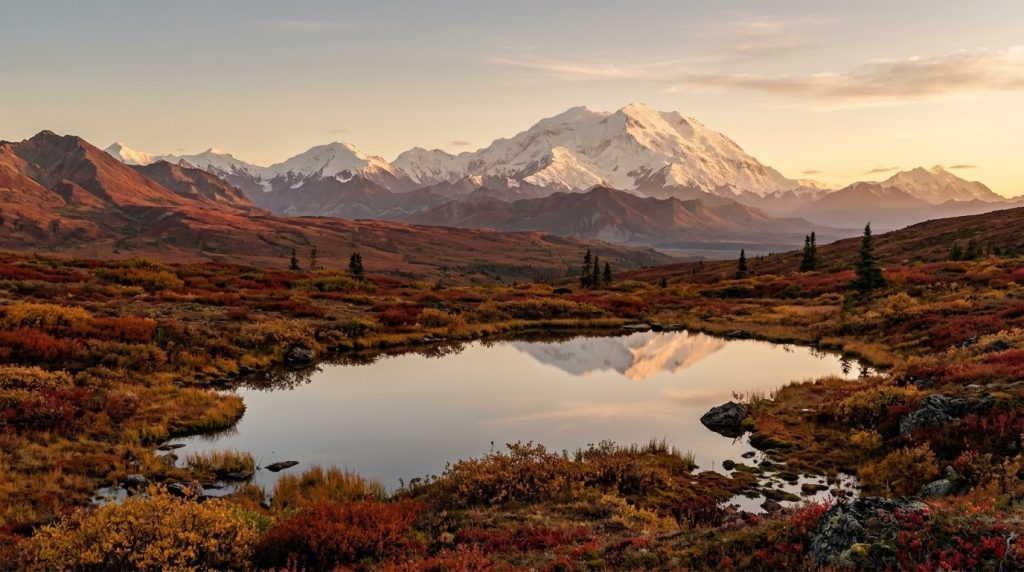
The best time to visit Alaska is from mid-May to mid-September, when cruises sail, the Denali park bus runs, and wildlife is active. July has the warmest weather but also the biggest crowds and the highest prices. Late August and September trade a little warmth for fewer people, lower rates, and the first northern lights of the season.
Which window suits you depends on what you want to see. Midnight sun and whale cruises peak in June and July. Bears feeding on salmon peak in July and August. Aurora season runs roughly September to March, and winter has its own appeal if you like dog sledding and cold, clear skies. This guide breaks it all down by month and by interest, with money-saving tips throughout.
Travelers planning an Alaska trip often book early July because it sounds like the obvious choice. The weather was great, but I paid peak rates for a rental car and a cabin, and every popular viewpoint was crowded. On a later trip in early September, I got quieter trails, golden tundra, and a clear night with green aurora overhead, and my lodging bill was far lower. If your schedule is flexible, I’d choose the shoulder weeks every time.
When is the best time to visit Alaska?
Mid-May through mid-September is the best time to visit Alaska for most travelers. This is the main cruise season, and hiking and wildlife viewing are at their best, according to Lonely Planet’s seasonal guidance. July has the best weather but is also the busiest month, so expect higher prices and earlier sellouts.
Alaska is huge, so conditions vary by region. Southcentral (Anchorage, Seward, Kenai Peninsula) is the mildest. The Interior (Denali, Fairbanks) swings from warm summer days to brutally cold winters. Southeast (Juneau, Ketchikan, Glacier Bay) is wetter all year, so pack rain gear in any month.
A simple way to choose:
- First-time visitors who want it all: June to mid-August, when every tour and lodge is open.
- Budget-minded travelers: mid-May or the first half of September.
- Aurora chasers: late August to early April, with Fairbanks as the base.
- Winter adventurers: February and March, for dog sledding, festivals, and long cold nights.
What is Alaska like month by month?
Alaska changes dramatically from month to month. May is quiet and cool, June and July are bright and busy, August starts to cool, and September brings color and early frost. Winter is long, dark, and cold, but it opens the door to aurora viewing and snow sports. The table below summarizes the main differences.
| Month | Weather (approximate) | Crowds | Prices | Best for |
|---|---|---|---|---|
| January | Very cold in the Interior, mild-cold on the coast | Low | Low | Aurora, cold clear skies |
| February | Cold, snow cover | Low | Low | Dog sledding, winter festivals |
| March | Cold, longer days returning | Low to medium | Low to medium | Aurora, sled dog racing, skiing |
| April | Thawing, muddy trails | Low | Low | Quiet trips, late aurora |
| May | Cool, drying out | Medium | Medium | Early cruises, bargains, long days |
| June | Mild to warm, long days | High | High | Midnight sun, hiking, fishing |
| July | Warmest, busiest | Very high | Highest | Wildlife, glaciers, flightseeing |
| August | Warm, getting cooler late | High | High, easing late | Bears and salmon, berries, quiet trails |
| September | Cool, crisp, first frost | Low to medium | Lower | Fall color, aurora, fewer crowds |
| October | Cold, early snow | Low | Low | Aurora, many tours closed |
| November | Cold, dark | Very low | Low | Few services, quiet |
| December | Very cold, short days | Low (holiday bump) | Low to medium | Aurora, holiday trips |
Source: national weather service seasonal averages and operator pricing, 2026
Treat these as general patterns, not guarantees. Weather in Alaska shifts quickly, and conditions in a given year can run early or late.
Is June the best month for the midnight sun?
Yes, June is the best month for the midnight sun. Around the summer solstice on June 20 or 21, Anchorage gets roughly 19 hours of daylight, and Fairbanks gets close to 22 hours of daylight, according to national weather service sunrise data. North of the Arctic Circle, the sun does not set at all for days.
That glow is magical, but it comes with practical trade-offs. Hotels in busy towns fill early, and bedrooms can be too bright for sleep. Bring an eye mask and book blackout-curtain rooms if light bothers you. On the upside, you can start a hike at 8 p.m. and still have hours of light.
A few tips for June:
- Plan for mosquitoes: they thrive in late June and July in the Interior, so pack repellent and a head net.
- Book early: June and July sell out first for lodging and the best tours.
- Use the long days: schedule a late-evening hike, fishing session, or wildlife drive when most visitors are at dinner.
- Expect cool nights: even in summer, evenings near glaciers can be chilly.
When is the best time for wildlife and salmon runs?
July and August are the best months for wildlife and salmon runs. Salmon return from the ocean to spawn from roughly June through September, with different species peaking at different times, according to Alaska state fish and wildlife guidance. Bears, eagles, and anglers all follow the fish, so riverbanks come alive.
Wildlife viewing varies by activity and location:
- Bears: July and September are classic months for bears fishing at famous rivers. Early September also finds bears feeding heavily before winter.
- Whales and sea life: humpbacks, orcas, sea lions, otters, and puffins show up on Kenai Fjords and Prince William Sound boat tours, which run in summer.
- Denali wildlife: the park bus offers a chance to see caribou, moose, Dall sheep, and grizzlies from late May to mid-September.
- Fishing: king, sockeye, pink, and silver salmon arrive in waves, so check run timing for the river you plan to fish.
The Kenai Fjords cruise from Seward is one of the best-known wildlife trips, with day tours generally running from about $230 to $319 per person. A Denali park bus day package can run around $200 to $356 when bundled with other services. These are approximate, so check current operator pricing, 2026.
When can you see the northern lights in Alaska?
You can see the northern lights in Alaska from about September to March, with some sources extending the window to April. Fairbanks sits beneath the auroral oval, so it is the classic base for aurora trips. Clear, dark, cold nights are best, and December and January often deliver reliably crisp skies.
Late August is when the nights finally get dark enough for the aurora to reappear, so that is when the season restarts. September gives you a rare combination: aurora potential plus mild enough weather for hiking and sightseeing.
To improve your odds:
- Stay at least three nights: weather and solar activity are unpredictable, so more nights mean more chances.
- Pick low-moon dates: a bright full moon washes out fainter displays, so aim for the new moon week.
- Get away from city lights: a few miles from Fairbanks makes a difference, and hot springs resorts such as Chena Hot Springs are popular for aurora viewing.
- Dress in layers: it can drop far below freezing, so insulated boots, mitts, and hand warmers are essential.
- Check the forecast: aurora and cloud forecasts help you decide where to drive each night.
When is the best time for a cruise or land tour?
The best time for a cruise or land tour is May through September. That is the full Alaska cruise season, and it is also the window when Denali park buses, glacier boats, and lodges operate at full capacity. Start of season (May) and end of season (September) are the cheapest, while June to August are the most popular.
For cruises, the Inside Passage and Gulf of Alaska itineraries are the most common. Many travelers combine a cruise with a land tour to Denali, Talkeetna, or Fairbanks. A five-day package that combines Kenai Fjords, Denali, Talkeetna, and Seward costs about $2,599 per person, according to operator pricing, 2026, though rates change with season and group size.
Here is how the main summer activities line up:
- Denali bus tour: late May to mid-September. Park buses cost extra beyond the entrance fee.
- Kenai Fjords cruise: summer, and popular departures sell out, so book early.
- Prince William Sound glacier cruise: summer departures from Whittier.
- Glacier Bay day boat: summer, from southeast Alaska, with views of glaciers such as Margerie.
- Talkeetna flightseeing: summer, with flights over Denali and the surrounding ranges. This is a splurge, so ask for current rates.
What should you do in each season?
Each Alaska season has a different personality, so match your activities to the time of year. Summer is for glaciers, wildlife, and hiking. Fall is for color, quiet trails, and aurora. Winter is for snow sports and cold-weather magic. The table below pairs seasons with the best things to do.
| Season | Months | Best activities | Trade-offs |
|---|---|---|---|
| Spring | April to mid-May | Quiet trips, early bargains, late aurora | Muddy trails, some tours not yet running |
| Early summer | Mid-May to June | Midnight sun, hiking, fishing, early cruises | Mosquitoes, crowds growing |
| High summer | July to mid-August | Denali buses, glacier cruises, whale watching, flightseeing | Highest prices, busiest sites |
| Fall | Late August to September | Fall color, bears feeding, aurora returns, lower prices | Cooler weather, some closures late |
| Early winter | October to December | Aurora, quiet towns, holiday trips | Short days, many services closed |
| Deep winter | January to March | Dog sledding, aurora, festivals, skiing | Extreme cold in the Interior |
Source: national tourism board and operator seasonal schedules, 2026
How can you save money by visiting in shoulder season?
You can save money by visiting in shoulder season, which means May and September. Late August to September brings fewer crowds and lower prices, along with returning northern lights. Lodging, rental cars, and some tours can cost noticeably less than in July, though savings vary by property and location.
Here are ways to stretch your budget:
- Book early for summer, late for shoulder season: July sells out months ahead, but shoulder-season deals can appear closer to departure.
- Travel mid-week: flights and car rentals are often cheaper from Tuesday to Thursday.
- Choose a rental car for flexibility: Alaska is big, and a car can be cheaper than multiple guided transfers if you travel with friends.
- Bundle thoughtfully: multi-day packages cost more up front, but they can reduce planning time and may include transport. Compare against building your own trip.
- Check what is closed: some lodges, buses, and boat tours stop in mid-September, so confirm before you book.
Keep in mind that Alaska is not a budget destination in any month. Flights, food, and tours cost more than in many other US states, so plan ahead and compare quotes from several operators.
What can you do in Alaska in winter?
In winter, you can chase the aurora, try dog sledding, soak in hot springs, and enjoy festivals and sled dog racing. Winter is long and cold, with the Interior far below freezing, but it is also quiet and uncrowded. Prices are often lower, though flights and some tours remain pricey.
Fairbanks is the most popular winter base, with aurora tours and hot springs nearby. Anchorage offers a milder, more urban base with winter events. Dog sledding is available in several areas. If you go in February or March, you get a mix of longer days and still-cold nights, which makes it a good compromise.
Winter packing tips:
- Layers matter most: base layer, insulating layer, and windproof shell.
- Insulated boots and warm socks: cold feet end aurora nights early.
- Spare batteries: cold drains phone and camera batteries quickly, so keep them warm inside your coat.
- Check road conditions: snow and ice affect driving, and some roads close in winter.
Find your Alaska hotel on the map
Live prices from Booking, Airbnb and more — move the map or change dates to compare stays across Alaska.
Frequently Asked Questions
What is the cheapest month to visit Alaska?
The cheapest months are usually April, May, and September through November, when demand is lower. May and September are the best compromise because most tours still operate. Winter months can also be cheaper for lodging, though flights and aurora tours may still cost a premium.
When does the Alaska cruise season start and end?
The Alaska cruise season generally runs from May to September. Early and late sailings are often cheaper than July and August. Weather can be cooler and wetter at the edges of the season, so pack layers and rain gear.
Is it worth visiting Alaska in winter?
Yes, if you want the northern lights, dog sledding, and quiet landscapes. Winter is cold, dark, and has fewer services, so it is not for everyone. Fairbanks is the best base for aurora, and December and January often offer cold, clear skies.
When is the best time to see bears in Alaska?
July through September is the best time to see bears, as they feed on salmon runs and fatten up for winter. Exact timing depends on the river and species of salmon. Guided tours and park buses improve your chances and keep a safe distance.
Is July or September better for Alaska?
July has the warmest weather and the most open tours, but also the biggest crowds and highest prices. September has fewer visitors, lower rates, fall colors, and returning aurora. Choose July for guaranteed access to everything, and September for value and calm.
If you want the widest choice of tours and the warmest weather, aim for June or July and book early. If you would rather save money and avoid crowds, go in mid-May or the first half of September. Either way, pack layers, build in flexibility, and check which seasonal services are open before you commit.