Is Hawaii Worth Visiting? An Honest Verdict on Cost and Islands (2026)
Disclosure: Some links in this guide are affiliate links. If you book or buy through them, we may earn a small commission at no extra cost to you — it helps keep our guides free.
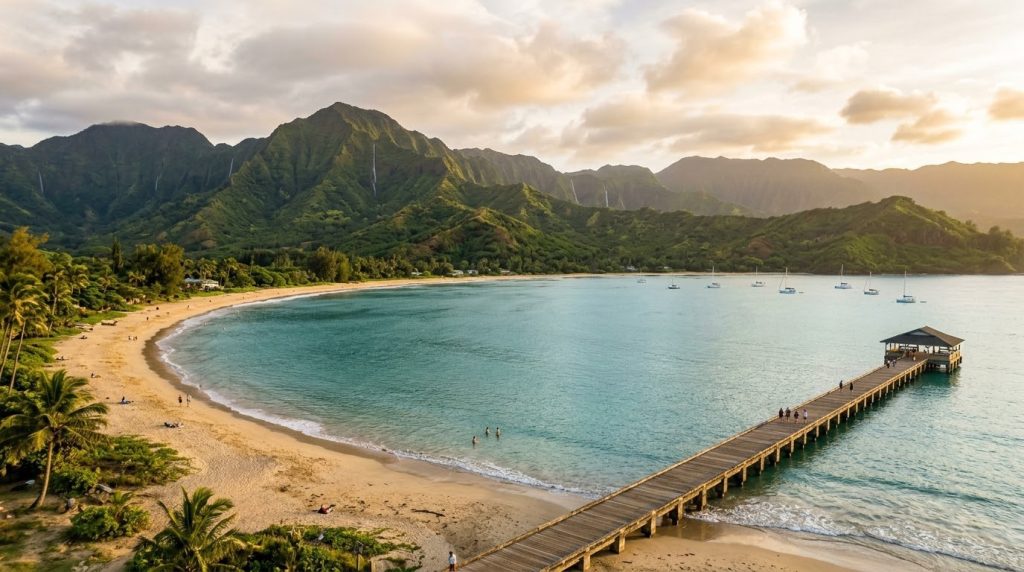
Yes, Hawaii is worth visiting if you can give it at least 7 days and a budget of roughly USD 250–450 per person per day, because no other US destination packs active volcanoes, reef snorkeling, sea cliffs and warm water into one domestic trip with no passport. It is not cheap, and 2026 hotel taxes went up.
But the payoff is real, and most of the cost is lodging you can control by picking the right island.
| Factor | The honest reality | What to do |
|---|---|---|
| Cost | Visitors averaged USD 259.80 per person per day in 2025 (DBEDT) | Pick Oahu for value, cook some meals |
| Lodging | July 2026 hotel rates: Waikiki USD 290, Maui USD 579 a night | Book Oahu or shoulder season |
| Taxes | State lodging tax rose to 11% on January 1, 2026 | Compare final totals, not nightly rates |
| Flight time | About 5 hr 42 min nonstop from LA, about 11 hr from New York | East Coasters: plan 8+ days |
| Crowds | Arrivals fell 5.6% in August 2026 vs. 2025 | Good timing for a deal |
| Weather risk | Hurricane season runs June 1 to November 30 | Buy travel insurance |
The honest answer: who gets the most out of Hawaii
Hawaii rewards travelers who like being outside. If your perfect day is a sunrise hike, a snorkel stop, a plate lunch and a sunset beach, it will feel worth every dollar. Couples, families, divers and hikers tend to come home happiest. For a ranked list of what is actually worth your time, start with our rundown of the best things to do in Hawaii and build from there.
What Hawaii is not: a cheap beach week. If you only want sand, sun and a swim-up bar, Mexico or the Caribbean delivers that for less.
What a Hawaii trip really costs in 2026
Hawaii uses the US dollar, so there is no exchange rate to worry about, only high prices. The state’s tourism department (DBEDT) reports that visitors spent USD 259.80 per person per day on average in 2025, and visitors from the US East spent USD 291.
In August 2026, daily spending rose to USD 272 per person, up 7.4% from a year earlier, according to the DBEDT August 2026 visitor report.
Lodging is the biggest line. The July 2026 Hawaii Hotel Performance Report puts average nightly rates at:
– Waikiki: USD 290 – Oahu overall: USD 307 – Kauai: USD 468 – Hawaii Island: USD 489 – Maui County: USD 579 (Wailea resorts: USD 813)
Those rates are before tax. Since January 1, 2026, the state Transient Accommodations Tax is 11%, up from 10.25%, under Act 96 (the “Green Fee”), per a Hawaii Department of Taxation announcement. The cruise-fare part of that law is on hold after a federal appeals court order, but the hotel increase is in force.
Each county adds its own 3% lodging tax, and resort fees and parking come on top.
Our full Hawaii travel budget breakdown itemizes food, rental cars and flights, with mid-range travelers landing around USD 250–450 per person per day.
Which island is worth it for which traveler
The island you pick matters more than whether you go. Here is the short version:
– First-timers and budget travelers: Oahu. It drew 5.68 million visitors in 2025 and has the lowest hotel rates, Pearl Harbor, Waikiki, the North Shore and a real city with cheap food. – Couples and resort-goers: Maui. Better beaches and the Road to Hana, but the highest rates in the state.
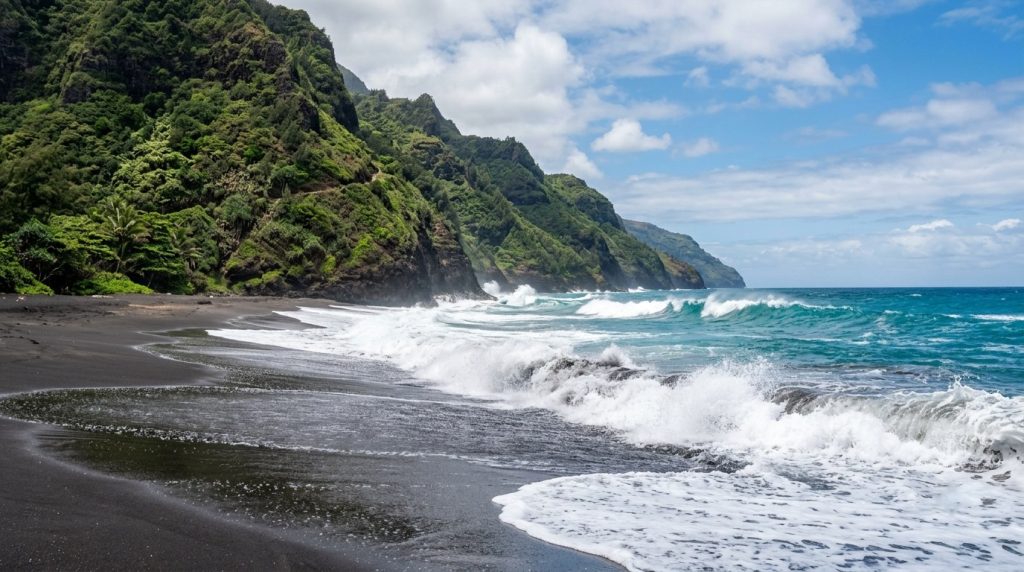
Lahaina is still recovering from the August 8, 2023 wildfires, so visit respectfully. – Hikers and nature lovers: Kauai. Fewer visitors (1.42 million in 2025), dramatic cliffs and canyons, and a slower pace. – Adventurers and families with older kids: Hawaii Island (the Big Island). Volcanoes, black-sand beaches and stargazing, but long drives between sights.
Short on time? Stick to one island. A first trip split across two islands usually works only with 10 days or more. Our 7-day Hawaii itinerary shows how to fill a week without wasting days on transfers.
When Hawaii feels most worth the money
Timing changes the value math. Summer and the Christmas-to-New-Year weeks bring the highest prices. Hurricane season runs June 1 to November 30, and NOAA’s 2026 Central Pacific outlook gave a 70% chance of an above-normal season. Direct hits are rare, but storms do disrupt flights: DBEDT tied shorter August 2026 stays partly to Hurricane Lala.
April, May, September and October usually hit the sweet spot of decent weather, lower rates and thinner crowds. See our month-by-month guide to the best time to visit Hawaii before you book flights.
Who should skip Hawaii (or wait)
Hawaii is the wrong pick if:
– You have under 5 days from the East Coast. About 11 hours of flying each way and a 5–6 hour time change eat your first and last days. – Your budget is tight and fixed. Taxes, resort fees, parking and a rental car add up fast.
A Caribbean all-inclusive often costs less. – You want nightlife and big-city culture. Honolulu has some, but it is not Miami or Las Vegas. – You hate driving. Outside Waikiki, you need a car to see most of the good stuff.
If safety is your hesitation, our guide on whether Hawaii is safe covers ocean conditions, property crime and hiking risks. Most incidents involve surf and trails, not crime.
Getting between islands: inter-island flights
If your trip covers more than one island, factor flights into the budget early. Hawaiian Airlines and Southwest both fly short inter-island hops, typically 30 to 45 minutes in the air, with one-way fares generally running USD 50-150 depending on route and how far ahead you book; several 2026 travel guides put advance-purchase fares on popular routes like Honolulu-Maui at well under USD 80 each way.
Prices move fast around holidays and festivals on the destination island, so book inter-island legs as soon as your main dates are set rather than leaving them for later. There is no need to arrive hours early the way you would for an international flight: inter-island check-in typically closes 30-40 minutes before departure, and the flights themselves are short enough that a middle seat is rarely a real problem.
A rental car waits for you on each island separately, since cars cannot cross on these flights, so a multi-island trip usually means a new rental pickup and return on every stop. Factor that into your airport time on travel days, especially on islands like Kauai or the Big Island where the rental counters sit a short shuttle ride from the gate rather than right at baggage claim.
Weigh a two-island trip against simply spending the extra days on one island instead. A short inter-island hop sounds minor on paper, but by the time you factor airport arrival, security, a second rental pickup and the drive to your next hotel, a same-day transfer can eat most of a vacation day.
For a first trip of a week or less, most travelers get more out of one island explored properly than two islands rushed; save the multi-island version for a trip of 10 days or longer.
How to make Hawaii worth it on a shorter trip
You do not need to see everything. Base yourself in one place and add short excursions. From Honolulu, for example, the North Shore, Kailua and the Pali Lookout all make easy outings; our roundup of the best day trips from Hawaii hotel bases covers them island by island.
Book the rental car with your flights, choose a room with a kitchenette, and buy travel insurance that covers trip interruption.
What to pack for Hawaii
Sunscreen is the one packing item with a legal catch. Since 2021, Hawaii state law has banned the sale of sunscreens containing oxybenzone or octinoxate, chemicals linked to coral reef damage, and Maui County has gone further with its own, broader restrictions since 2022.
You can still bring sunscreen with you from home, so check the label before you pack and bring a mineral, reef-safe formula (zinc oxide or titanium dioxide based) rather than counting on buying one locally that fits every county’s rules.
Layering matters more than first-time visitors expect, mainly because of elevation. The National Park Service notes that temperature drops roughly 3°F for every 1,000 feet of elevation gain, and Haleakala’s 10,023-foot summit on Maui regularly sits near or below freezing before a sunrise viewing, even when the coast is a comfortable 80°F.
A warm jacket, a hat and gloves are worth packing specifically for that outing, on top of the usual beach kit.
- Reef-safe, mineral sunscreen; chemical sunscreens containing oxybenzone or octinoxate cannot legally be sold in Hawaii
- A light rain shell; windward coasts and valleys get regular short showers even on sunny days
- Sturdy closed shoes for lava fields, muddy rainforest trails and volcanic rock, which shred sandals quickly
- A warm layer, hat and gloves if a Haleakala or Mauna Kea summit sunrise is on the itinerary
- A reusable water bottle; tap water is safe to drink across the main islands and refill stations are common at parks and trailheads
Pack light on formal clothing. Hawaii’s dress code runs casual almost everywhere, including most restaurants, so resort wear and a collared shirt cover the rare upscale dinner.
Check baggage rules before you fly, since several airlines now charge for a first checked bag even on flights to Hawaii, and a round of golf clubs, a boogie board or dive gear can push you into oversize fees fast.
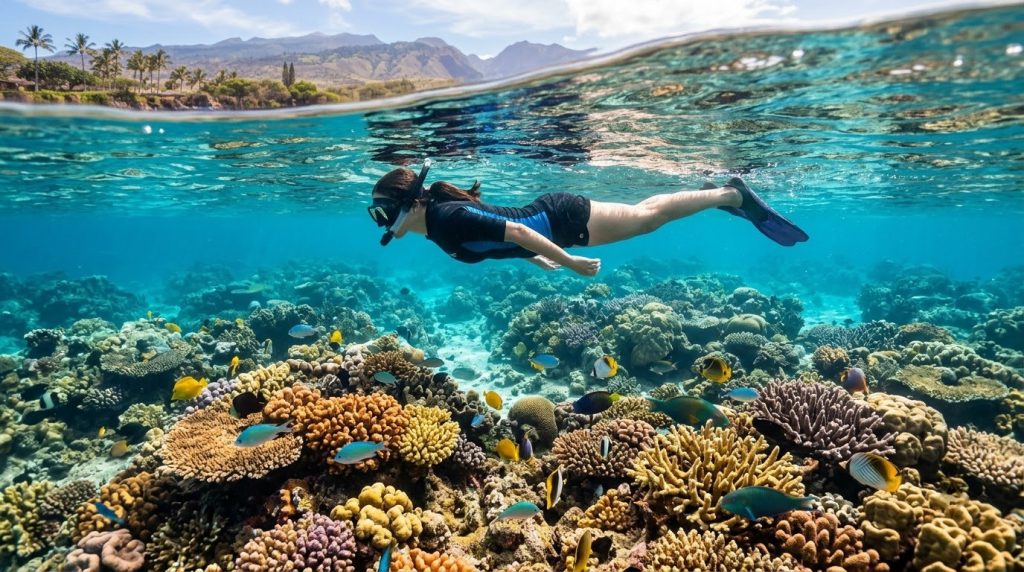
If you plan to snorkel or dive, renting gear on the island is usually simpler and cheaper than flying your own mask and fins across the Pacific, and local shops know the current conditions at each beach better than an app does.
Traveling to Hawaii with kids: safety basics
Hawaii’s child car seat law applies the same as any US state rental: children under 2 must ride rear-facing, and kids generally need a car seat or booster until age 10 unless they are already 4 feet 9 inches tall, per the state Department of Transportation.
Rental counters carry seats for a daily fee, but availability for infant seats can be limited in peak season, so reserving one with your rental car in advance is safer than counting on walk-up stock.
Ocean safety is the bigger issue for families than anything related to crime. Drowning and dangerous surf conditions are a genuine, state-acknowledged risk: state and county authorities have a legal mandate to post warnings at hazardous beaches, and Hawaii revived a dedicated task force in January 2026 specifically to place more warning signage at the state’s most dangerous spots after a string of incidents.
Treat posted flags and signs as binding, not optional, swim at lifeguarded beaches when traveling with children, and ask locally about a beach’s current conditions, since calm-looking water can hide a strong rip current.
Keiki (child) discounts are common for activities and tours but vary a lot by operator, so ask when booking rather than assuming a standard rate. Many snorkel and boat tours set a minimum age for safety reasons, so confirm that before paying a deposit if you are traveling with a toddler or younger child.
Sun exposure is a bigger day-to-day risk for kids than most families plan for, given Hawaii’s tropical latitude. Reapply sunscreen more often than you would at home, dress younger children in a rash guard for long beach days, and keep a close eye on midday hours, since the sun’s intensity at Hawaii’s latitude catches a lot of mainland visitors off guard by the second or third day of a trip.
Where to stay
– Waikiki (Oahu): Best for first-timers and anyone without a car. Walkable, the cheapest rates in the state, endless food. – Kaanapali or Kihei (Maui): Kaanapali suits couples who want a resort beach; Kihei suits budget travelers with a car. – Poipu (Kauai): Sunny south shore, good for families and snorkelers who want a quieter base.
Find your Hawaii hotel on the map
Live prices from Booking, Airbnb and more — move the map or change dates to compare stays across Hawaii.
Frequently Asked Questions
Is USD 2,000 enough for a week in Hawaii?
For one person on Oahu, USD 2,000 can cover a week if flights are already paid and you stay in a modest Waikiki hotel, use the bus and cook some meals. For two people, or on Maui or Kauai, it is usually not enough once you add lodging taxes, a rental car and activities.
How many days do you need in Hawaii?
Plan 7 days for one island, which gives you time for beaches, a big hike and a scenic drive without rushing. From the East Coast, 8 to 10 days is better because travel days are long. Add 3 to 4 days for each extra island you want to include.
Is Hawaii or the Caribbean better?
The Caribbean usually wins on price and flight time for East Coast travelers, plus all-inclusive resorts. Hawaii wins on scenery variety, hiking, volcanoes and marine life, and you need no passport. If you want adventure, pick Hawaii; if you want a cheap, easy beach week, pick the Caribbean.
Which Hawaiian island is best for a first visit?
Oahu is the easiest first visit. It has the most flights, the lowest hotel rates in the state, Pearl Harbor, Waikiki and the North Shore, and you can manage without a car. Choose Maui instead if your priority is resort beaches and you can afford higher rates.
Did Hawaii add a tourist tax in 2026?
Yes. From January 1, 2026, the state lodging tax rose from 10.25% to 11% under Act 96, often called the Green Fee, with revenue aimed at climate and environmental work. Counties still add their own 3% lodging tax. The part that taxes cruise fares is on hold after a court order.