
Disclosure: Some links in this guide are affiliate links. If you book or buy through them, we may earn a small commission at no extra cost to you — it helps keep our guides free.
Hawaii works best when you pick one or two islands and slow down, because island-hopping eats your budget in flights and your days in airports. We’ve built this guide so you can choose the right island, set a realistic budget, and book the right tours without overpaying. By the end, you’ll have a plan that fits your trip length and your wallet.
Key Takeaways
– Hawaii welcomed about 9.6 million visitors in 2024, with average daily spending near $240 per person (Hawaii Tourism Authority, 2024).
– Oahu and Maui pull the largest share of visitors, while Kauai and the Big Island stay quieter (Hawaii Tourism Authority, 2024).
– A typical mid-range week for two runs roughly $4,500-$6,500 including flights, lodging, and a rental car (industry averages, 2026).
– Maui reopened West Maui tourism after the 2023 wildfires, and visitor numbers are climbing back through 2026 (Hawaii Tourism Authority, 2025).
– The state’s $50 climate impact fee on lodging takes effect January 1, 2026, adding a small per-night cost (State of Hawaii, 2025).
Which Hawaiian Island Should You Visit?
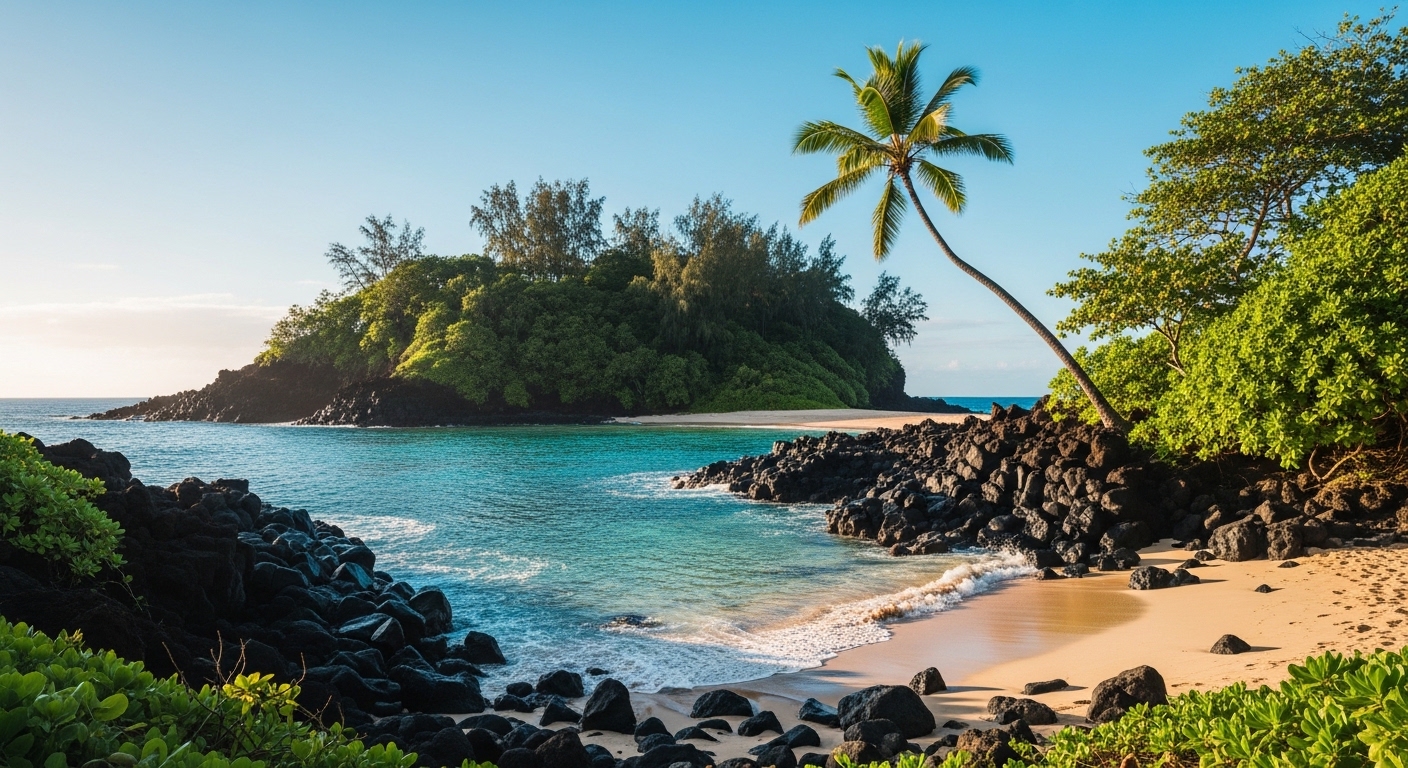
Pick Oahu for a first trip, Maui for beaches and luxury, Kauai for nature and hiking, and the Big Island for volcanoes and variety. Most first-timers do well on Oahu because it packs the widest range of activities, food, and budget lodging into the smallest area. Match the island to what you actually want to do.
Each island has a distinct personality. Oahu is the urban hub, home to Honolulu, Waikiki, and Pearl Harbor. Maui leans upscale, with resort beaches and the famous Road to Hana. Kauai is the green, rugged one, with the Na Pali Coast and Waimea Canyon. The Big Island (Hawaii Island) gives you active volcanoes, black sand beaches, and even snow on Mauna Kea.
| Island | Best For | Vibe | Ideal Trip Length |
|---|---|---|---|
| Oahu | First-timers, city + beach, history | Busy, varied | 4-5 days |
| Maui | Beaches, honeymoons, luxury | Relaxed, upscale | 5-7 days |
| Kauai | Hiking, nature, quiet | Rugged, green | 4-6 days |
| Big Island | Volcanoes, diverse landscapes | Wild, spread out | 5-7 days |
If you’ve got a week or less, stick to one island. The inter-island flight, rental car return, and hotel switch can burn most of a day. We cover the trade-offs in our [hawaii island hopping guide] for travelers who want to combine two islands well.
When Is the Best Time to Visit Hawaii?

Visit Hawaii in April-May or September-October for the best mix of good weather, lower crowds, and softer prices. These shoulder months avoid the winter holiday surge and the summer family rush, so you’ll find better hotel rates and quieter beaches. The weather stays warm year-round, with daytime highs near 80-85F.
Hawaii has two loose seasons: summer (May-October), which is drier and calmer, and winter (November-April), which brings more rain and bigger north-shore surf. Whales arrive off Maui and the Big Island from roughly December through April, peaking in February. If whale watching is on your list, plan a winter trip and book a tour early.
Prices swing hard with demand. Christmas through New Year and mid-June through early August are the priciest windows. A room that runs $250 a night in May can hit $450 over the winter holidays. We track rate patterns in our [hawaii best time to visit] so you can target the cheapest weeks.
| Season | Months | Crowds | Typical Hotel Rate (mid-range) |
|---|---|---|---|
| Peak winter | Late Dec – early Jan | Very high | $350-$500/night |
| Spring shoulder | Apr – May | Moderate | $220-$320/night |
| Summer | Jun – Aug | High | $300-$420/night |
| Fall shoulder | Sep – Oct | Low-moderate | $200-$300/night |
How Much Does a Hawaii Trip Cost in 2026?
A mid-range week in Hawaii for two travelers costs roughly $4,500-$6,500 in 2026, covering flights, lodging, a rental car, food, and a few tours. Budget travelers can trim that to around $3,000 with vacation rentals and self-catering, while luxury trips climb past $12,000. Flights and lodging are the two biggest line items.
Mainland US round-trip airfare typically runs $400-$700 from the West Coast and $600-$1,000 from the East Coast in 2026. UK and Australian travelers should expect $1,100-$1,800 round-trip depending on routing and season. Lodging is the real budget driver, and a rental car is close to mandatory on every island except for Waikiki-only stays.
| Expense | Budget | Mid-Range | Luxury |
|---|---|---|---|
| Lodging (per night) | $120-$180 | $250-$400 | $600-$1,200 |
| Rental car (per day) | $45-$65 | $65-$90 | $120+ |
| Food (per person/day) | $40-$60 | $80-$120 | $200+ |
| Tours (per person) | $60-$120 | $120-$250 | $300+ |
Note the new state climate impact fee: starting January 1, 2026, Hawaii adds a $50 levy tied to lodging that funds environmental protection (State of Hawaii, 2025). It’s small against a week’s bill, but build it into your math. For full breakdowns by travel style, see our [hawaii budget guide].
Find your Hawaii hotel on the map
Live prices from Booking & Airbnb — tap a pin to compare stays around Waikiki, Honolulu and beyond.
Where Should You Stay in Hawaii?

Stay in Waikiki on Oahu for walkable convenience, in Kaanapali or Wailea on Maui for resort beaches, in Poipu on Kauai for sun, and in Kailua-Kona on the Big Island for a central base. Your neighborhood choice matters more than the hotel brand because it sets your daily drive times and beach access.
On Oahu, Waikiki gives you beaches, restaurants, and nightlife within walking distance, plus the widest price range. On Maui, the west side (Kaanapali, Lahaina area) and south side (Wailea, Kihei) hold most resorts; the south is drier and sunnier. Kauai’s south shore (Poipu) gets the most reliable sun, while the north shore is lusher but wetter. The Big Island splits between sunny Kona on the west and rainy Hilo on the east.
We compare hotels, condos, and vacation rentals on Booking.com because the free-cancellation filter lets you lock a rate now and rebook if prices drop. Condos with kitchens cut food costs sharply, which matters on longer stays. For specifics by island, check our [where to stay in hawaii] breakdown.
What Are the Best Things to Do in Hawaii?
Hawaii’s top experiences are snorkeling Hanauma Bay or Molokini, driving the Road to Hana, hiking the Na Pali Coast, and visiting Hawaii Volcanoes National Park. Mix one or two big-ticket tours with free beach days so you don’t burn out or overspend. The best activities pair natural scenery with a bit of local culture.
On Oahu, Pearl Harbor and the USS Arizona Memorial are essential history, and the basic memorial is free (timed tickets recommended). Snorkeling Hanauma Bay costs $25 per adult and requires a reservation. On Maui, a guided Molokini snorkel cruise runs about $130-$180 per person in 2026 and is bookable through GetYourGuide. The Road to Hana is free to drive but worth a guided tour if you’d rather not navigate 600 curves yourself.
For volcano viewing on the Big Island, entry to Hawaii Volcanoes National Park is $30 per vehicle (7-day pass), and a Kilauea night tour through Viator runs around $150-$220. Luaus are the classic cultural night out, with mid-range tickets near $120-$180 per adult. We rank the best by island in our [hawaii best tours] roundup.
| Activity | Island | 2026 Price (per person) | Book Ahead? |
|---|---|---|---|
| Hanauma Bay snorkel | Oahu | $25 entry | Yes – reservation |
| Molokini snorkel cruise | Maui | $130-$180 | Yes |
| Pearl Harbor memorial | Oahu | Free (timed ticket) | Yes |
| Volcano night tour | Big Island | $150-$220 | Yes |
| Luau dinner show | All | $120-$180 | Yes |
How Do You Get Around Hawaii?
Rent a car on every island except for a Waikiki-only trip, where you can rely on rideshare and the bus. Public transit is limited outside Honolulu, and the best beaches, trailheads, and viewpoints sit well beyond walking distance. A rental car is the single most useful thing you’ll book after your flight. You can compare flights on Aviasales to find the cheapest dates and routes.
Expect $65-$90 per day for a mid-size rental in 2026, plus roughly $25-$45 a day for resort and airport parking on Maui and Oahu. We book through Discover Cars because it compares local and major agencies in one search and shows the total with fees, which avoids the airport-counter surprise. Reserve early for winter holidays, when island fleets sell out.
Inter-island travel means flying. Hawaiian Airlines and Southwest run frequent short hops, usually $60-$130 one-way if booked ahead. Ferries are limited; the main one connects Maui and Lanai. On Oahu, TheBus is cheap at $3 per ride or $7.50 for a day pass, and it reaches Pearl Harbor and the North Shore if you’re patient. See our [hawaii transportation guide] for route-by-route advice.
What Should You Pack and Know Before You Go?
Pack reef-safe sunscreen, light layers, water shoes, and a rain jacket, and know that Hawaii bans sunscreens with oxybenzone and octinoxate. The climate is warm but variable by elevation and shore, so a single beach outfit won’t cover a Haleakala sunrise or a rainy Hilo afternoon. A little prep saves money and discomfort.
US travelers need no passport, but international visitors require a valid passport and likely an ESTA or visa. Reef-safe sunscreen is legally required and widely sold on-island, though it’s cheaper to bring your own. Bring a refillable water bottle, since tap water is safe and drinkable across the islands. For high-elevation spots like Mauna Kea or Haleakala, you’ll want a warm layer; temperatures can drop near freezing at the summits.
Connectivity is solid in towns and patchy on remote coasts and trails. International visitors can avoid roaming charges with an Airalo eSIM, which activates before you land. Download offline maps for the Road to Hana and Na Pali trailheads, where signal disappears. Our [hawaii packing list] has the full checklist by season and activity.
How Many Days Do You Need in Hawaii?
Plan for at least five full days on one island, and seven to ten if you want to add a second. A short trip works on Oahu, where attractions cluster tightly, but Maui, Kauai, and the Big Island reward slower pacing with long drives between highlights. Rushing Hawaii is the most common first-timer mistake.
A solid one-island week looks like two beach days, two activity days, one drive or hike day, and a buffer day for weather. If you island-hop, give each island a minimum of three nights so a travel day doesn’t swallow half your stay. We lay out tested day-by-day routes in our [hawaii itinerary] for 5, 7, and 10-day trips.
For a first visit, we’d steer most travelers toward five days on Oahu plus three on Maui or Kauai. That mix gives you the city, history, and beaches of Oahu alongside a quieter, scenery-driven second island, without the fatigue of three airports in a week.
Frequently Asked Questions
Is Hawaii expensive to visit in 2026?
Yes, Hawaii is one of the pricier US destinations. A mid-range week for two runs about $4,500-$6,500 including flights, lodging, and a car. You can cut costs with vacation rentals, self-catering, and shoulder-season travel in spring or fall, which trims hotel rates by 20-30%.
Do I need a rental car in Hawaii?
On most islands, yes. Beaches, trailheads, and viewpoints are spread out, and transit is limited beyond Honolulu. The exception is a Waikiki-only trip, where rideshare and TheBus cover the basics. Expect $65-$90 a day for a mid-size car, plus parking fees at resorts.
Which Hawaiian island is best for first-timers?
Oahu is the easiest first island. It packs beaches, history at Pearl Harbor, dining, nightlife, and budget lodging into a compact area, so you spend less time driving. Add Maui or Kauai for a second island if you have at least seven days total.
Is it safe to visit Maui after the 2023 wildfires?
Yes. West Maui reopened to visitors and tourism has been recovering through 2025 and 2026 (Hawaii Tourism Authority, 2025). Lahaina town itself is still rebuilding, so travel respectfully and follow local guidance. Most resorts, beaches, and tours operate normally.
What is the new Hawaii tourist fee in 2026?
Hawaii’s climate impact fee adds a $50 levy tied to lodging, effective January 1, 2026, funding environmental protection and disaster resilience (State of Hawaii, 2025). It’s a one-time-style charge applied through accommodations, small relative to a full trip budget but worth noting.
When is the cheapest time to fly to Hawaii?
The cheapest windows are typically late April through May and September through early November, excluding holidays. Booking flights two to four months ahead and traveling midweek lowers fares further. Avoid mid-December, summer school breaks, and major US holidays for the best prices.
Can international travelers use their phones in Hawaii?
Yes, but roaming can be costly. International visitors often save with a US-compatible eSIM like Airalo, activated before arrival. Coverage is strong in towns and weaker on remote coasts and trails, so download offline maps for areas like the Road to Hana and Na Pali Coast.
Start Planning Your Hawaii Trip
Hawaii rewards travelers who choose one island, book the big tours early, and lock flexible lodging before peak rates hit. Start by picking your island from the comparison above, then set your dates for a shoulder month to stretch your budget. When you’re ready, compare lodging on Booking.com, reserve your rental through Discover Cars, and book your snorkel or volcano tour on GetYourGuide or Viator so the best slots don’t sell out. Your islands are waiting.