
Best Time to Visit Los Angeles: Month-by-Month Guide 2026
The best time to visit Los Angeles is March through May, when daytime temperatures sit in the low 70s°F, crowds thin out after the holiday rush, and hotel rates drop well below their summer peak. We’ve broken down all 12 months below so you can match the weather, prices, and events to the trip you actually want.
Key Takeaways
– LA gets roughly 284 sunny days a year, so weather rarely ruins a trip (NOAA, 2024).
– Average summer hotel rates run 25-35% higher than spring shoulder season (Visit California, 2025).
– Tourism peaks July-August; spring and fall deliver near-identical weather with smaller crowds (LA Tourism, 2025).
– June “gloom” brings overcast mornings to coastal areas roughly 60% of days that month (NOAA, 2024).
Affiliate Disclosure: We include affiliate links — you pay the same, we earn a small commission.
What’s the Overall Best Time to Visit Los Angeles?
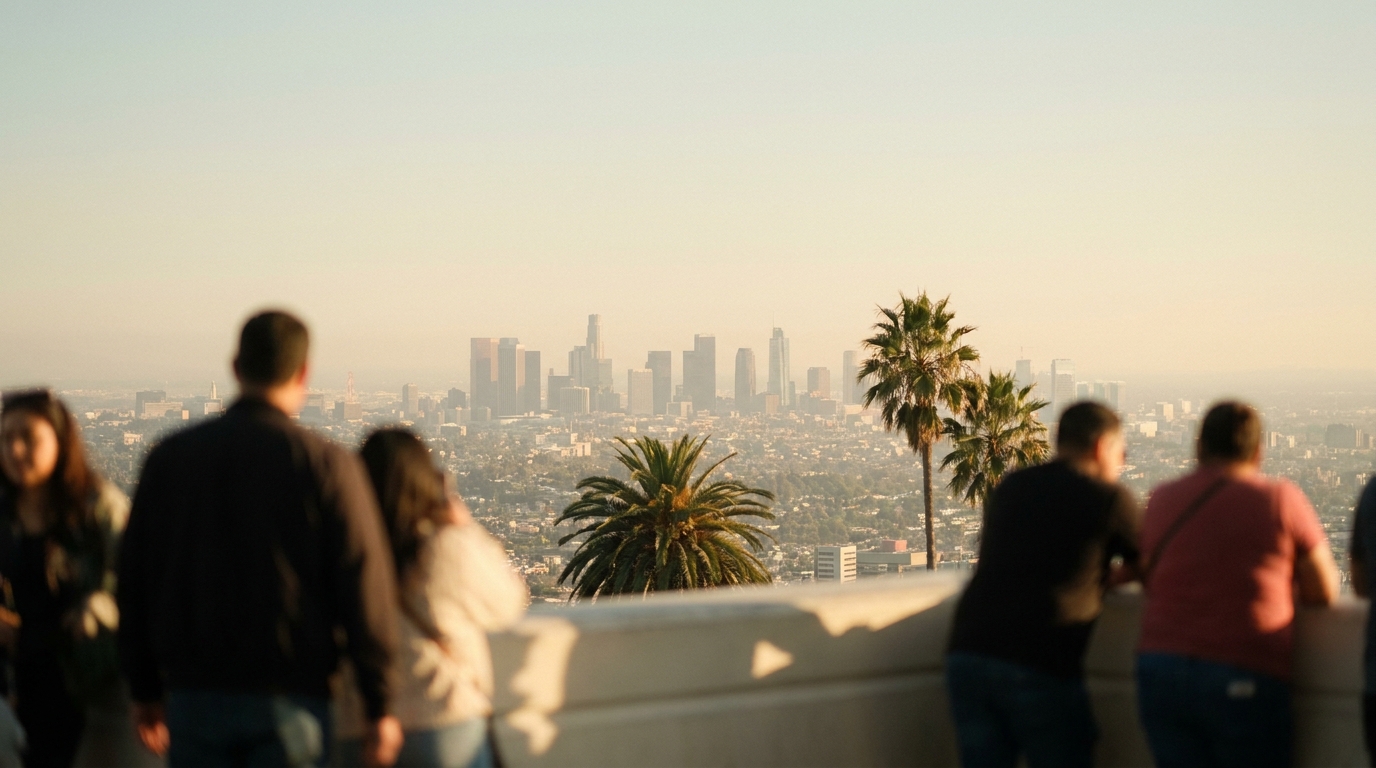
For most travelers, late March through May wins. You’ll get reliable sunshine, comfortable highs around 70-75°F, and noticeably lower prices than the summer surge. Fall (September-November) ties it closely with warm days and even fewer tourists once kids head back to school. Both shoulder seasons beat summer on value.
We lean toward spring because the hills turn green after winter rains and the coast hasn’t yet sunk into June’s gray mornings. If you can only travel in summer, book early — rooms fill fast and rates climb. Check live rates on Booking.com before you commit, since LA pricing swings hard by week.
Los Angeles Weather Month-by-Month
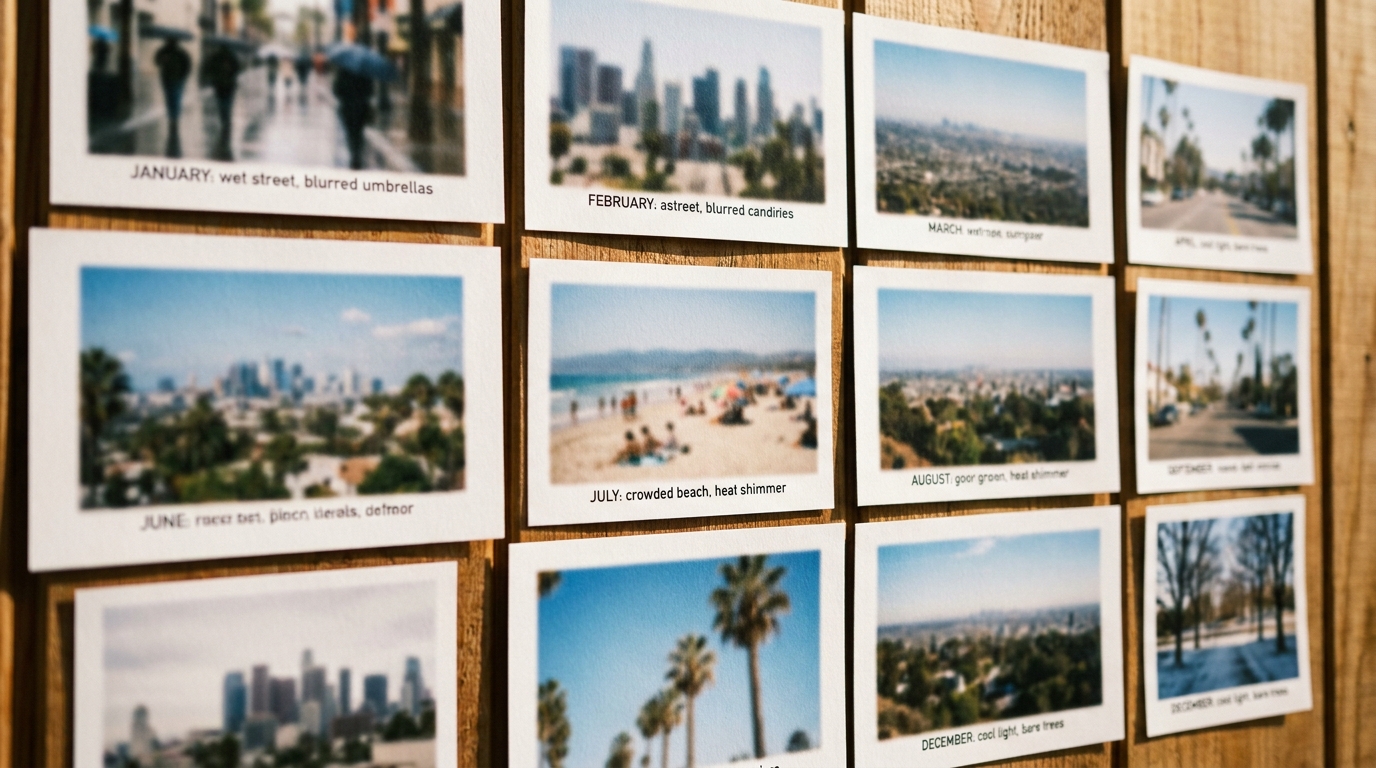
LA’s climate is mild and dry almost year-round, but small shifts matter. Mornings near the ocean stay cooler and cloudier than inland neighborhoods like Pasadena or Burbank, which can run 10-15°F hotter on the same afternoon. Here’s how each month stacks up.
| Month | Avg High | Avg Low | Rainy Days | Crowd Level |
|---|---|---|---|---|
| January | 68°F | 48°F | 6 | Low |
| February | 68°F | 49°F | 6 | Low |
| March | 70°F | 51°F | 5 | Medium |
| April | 73°F | 54°F | 3 | Medium |
| May | 74°F | 57°F | 1 | Medium |
| June | 77°F | 61°F | 1 | High |
| July | 83°F | 64°F | 0 | Peak |
| August | 84°F | 65°F | 0 | Peak |
| September | 83°F | 64°F | 1 | High |
| October | 79°F | 59°F | 2 | Medium |
| November | 73°F | 52°F | 3 | Medium |
| December | 68°F | 48°F | 5 | Medium |
We pulled these averages from NOAA’s 30-year climate normals for downtown LA. Coastal spots like Santa Monica run a few degrees cooler in summer and warmer at night.
When Is the Cheapest Time to Visit Los Angeles?
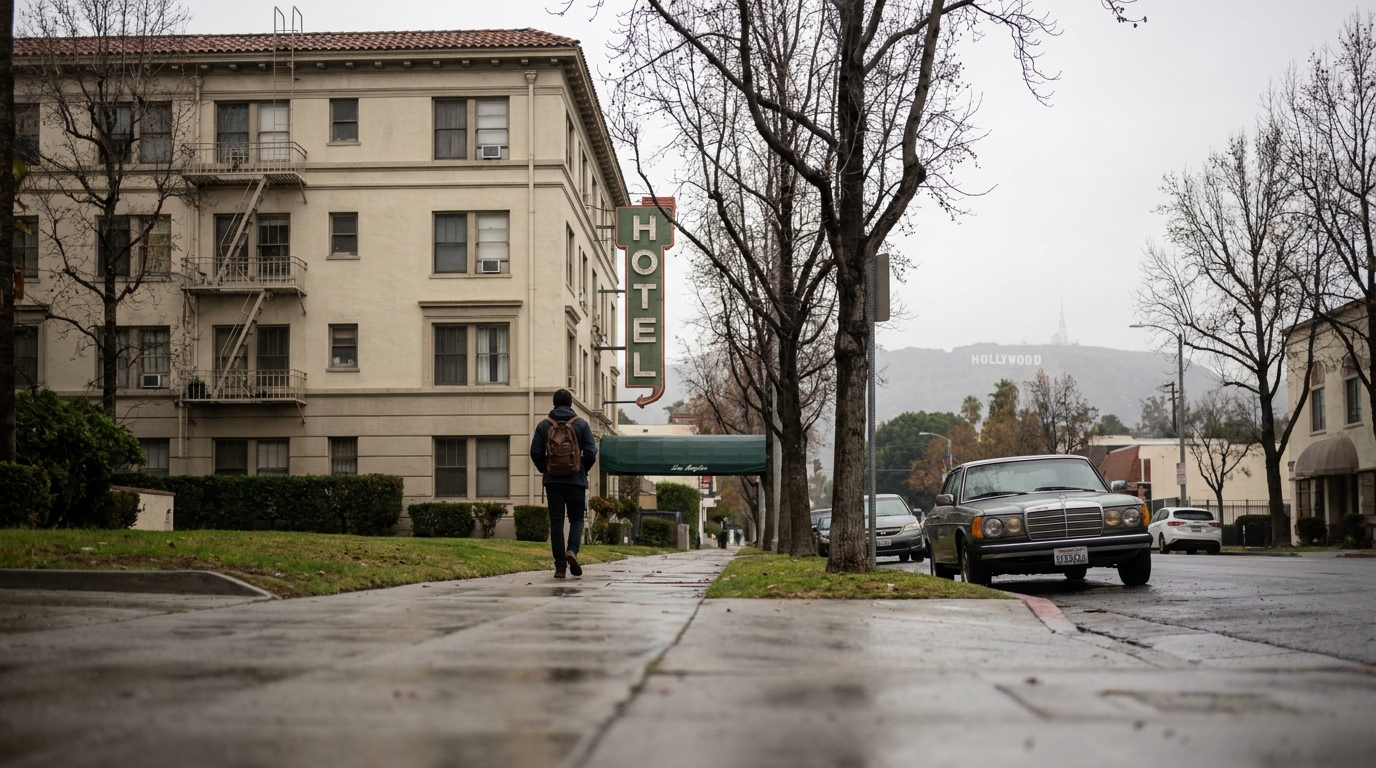
January and February are the cheapest months to visit LA, with hotel rates often 30-40% below July peaks and flights from most US cities at their lowest. The trade-off is the occasional rainy day and cooler evenings, but daytime highs still hover near 68°F — perfectly walkable for theme parks and museums.
If you want warmth plus savings, target early December (before holiday week) or the first half of March. We’ve found midweek stays cut another 15-20% off weekend rates. Lock in a flexible, free-cancellation room on Booking.com early, then rebook if prices drop closer to your dates. For more budget tactics, see our Los Angeles budget travel guide.
What’s the Best Time to Visit LA for Beaches?
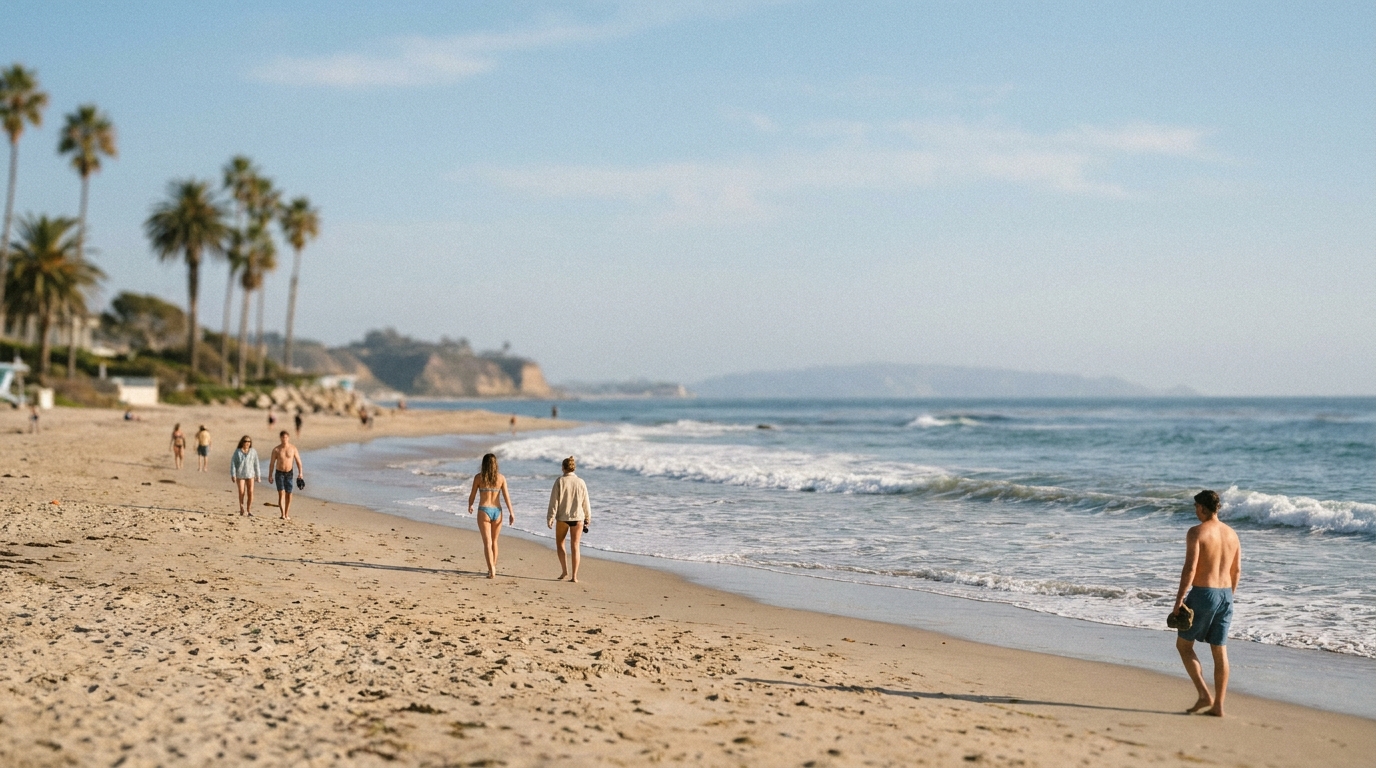
July through September is peak beach season, with ocean temps climbing to a swimmable 68-70°F and skies clear by late morning. August is the warmest stretch — Santa Monica, Venice, and Malibu all hit their stride. If you’re chasing tan lines and surf, this is your window.
Just know the beaches get packed and parking near the sand can run $20-40 a day. Arrive before 10 a.m. or use rideshare. For a quieter beach day with the same warm water, try late September, when summer crowds fade but the ocean stays warm. Our LA beaches guide maps the best stretches by vibe.
When Should You Avoid Visiting Los Angeles?
We’d steer clear of late June if mornings matter to you. “June Gloom” — a marine layer that blankets the coast in gray — covers roughly 60% of June mornings and can linger past noon near the water. Inland areas stay sunnier, so it’s not a dealbreaker, but beach plans suffer.
Also skip the week between Christmas and New Year’s unless you love crowds and premium rates. Hotels, attractions, and restaurants all surge, and traffic gets brutal. If holiday timing is fixed, book everything weeks ahead and lean on Booking.com free-cancellation rooms to hedge your bets.
What Are the Best Events Throughout the Year?
LA’s event calendar runs hot year-round, but a few standouts can shape your timing. The Rose Parade kicks off January 1 in Pasadena and draws huge crowds. Spring brings film festivals and outdoor concerts as the weather warms. Summer means free outdoor movie nights and the Hollywood Bowl season.
Fall delivers some of the year’s best festivals plus comfortable touring weather. If you’re building an itinerary around events, give yourself buffer days for traffic — LA distances are deceiving. Our Los Angeles itinerary planner helps you cluster activities by neighborhood to save hours.
How Many Days Do You Need in Los Angeles?
Plan for at least four full days to cover LA’s spread-out highlights without rushing. That gives you a day each for Hollywood and the Walk of Fame, the beach cities, Downtown plus a museum, and one for a theme park or a day trip. LA’s sprawl means transit between zones eats real time.
Five to seven days lets you add Griffith Observatory, a Universal Studios visit, and a drive up the coast. Build in a rest day if you’re hitting parks. For a structured breakdown, our 4-day LA itinerary and where to stay in LA guides pair well with this one.
Frequently Asked Questions
What is the rainiest month in Los Angeles?
February is typically the wettest month, averaging about six rainy days and the bulk of LA’s modest annual rainfall. Even then, storms usually pass within a day, and the city dries out quickly. You’ll rarely lose more than a morning to weather during a winter visit.
Is Los Angeles too hot to visit in summer?
Not at the coast. Beach cities like Santa Monica stay in the comfortable upper 70s°F thanks to ocean breezes, while inland valleys can top 90°F. We recommend basing yourself near the water in July and August and saving inland sightseeing for mornings.
When is the best time to visit LA to avoid crowds?
Mid-January through February and the weeks after Labor Day in September see the thinnest crowds. Attractions, restaurants, and freeways all breathe easier. You’ll trade a little warmth in winter, but September keeps summer-like weather with far fewer tourists around.
Does it ever snow in Los Angeles?
Not at sea level — the city basin practically never sees snow. The surrounding San Gabriel Mountains do get snow in winter, and resorts like Big Bear sit under two hours away. So you can hit the beach and ski slopes in the same trip if you time it right.
What’s the best month for cheap flights to LA?
January and February consistently offer the lowest fares from most US and international cities, often 20-30% below summer prices. Booking six to eight weeks out and flying midweek squeezes out extra savings. Set a fare alert and pounce when prices dip.
Is June a good time to visit Los Angeles?
June is fine inland and improves later in the month, but expect gray “June Gloom” mornings near the coast. Afternoons usually clear up. If your trip centers on beaches, late July onward delivers more reliable sunshine.
How far ahead should I book LA hotels?
For summer and holiday weeks, book two to three months ahead to lock in rates and availability. For shoulder seasons, three to four weeks is usually enough. We always choose free-cancellation rooms so we can rebook if prices fall.
Start Planning Your LA Trip
The smart move is matching your dates to your priorities: spring and fall for the best all-around value, summer for beaches, and winter for the lowest prices. Whatever you choose, LA’s near-constant sunshine has your back. Ready to lock in your stay? Compare live rates and grab a free-cancellation room on Booking.com today, then build out the rest with our Los Angeles travel guides.