
Disclosure: Some links in this guide are affiliate links. If you book or buy through them, we may earn a small commission at no extra cost to you — it helps keep our guides free.
5-Day Cairo Itinerary 2026: The Complete Planning Guide
Five days in Cairo gives you enough time to see the pyramids, walk through 4,000 years of history at the Egyptian Museum, and eat your way through one of the world’s great food cities. We’ve put together this day-by-day plan so you can stop Googling and start packing.
Key Takeaways
Cairo’s Grand Egyptian Museum, opened in phases since 2023, now holds over 100,000 artifacts — including the complete Tutankhamun collection (Source: GEM, 2025) A mid-range 5-day trip costs roughly $420-$510 per person excluding flights (Source: Numbeo, 2026) Entry to the Giza Plateau costs EGP 450 (~$9) for adults in 2026 (Source: Ministry of Antiquities, 2026) Cairo’s Metro covers 3 lines and is the most cost-efficient way to get between districts — fares start at EGP 10 (~$0.20) (Source: Cairo Metro Authority, 2026) Over 15 million tourists visited Egypt in 2025, with Cairo as the top entry point (Source: Egyptian Tourism Authority, 2025)
Is 5 Days in Cairo Enough?
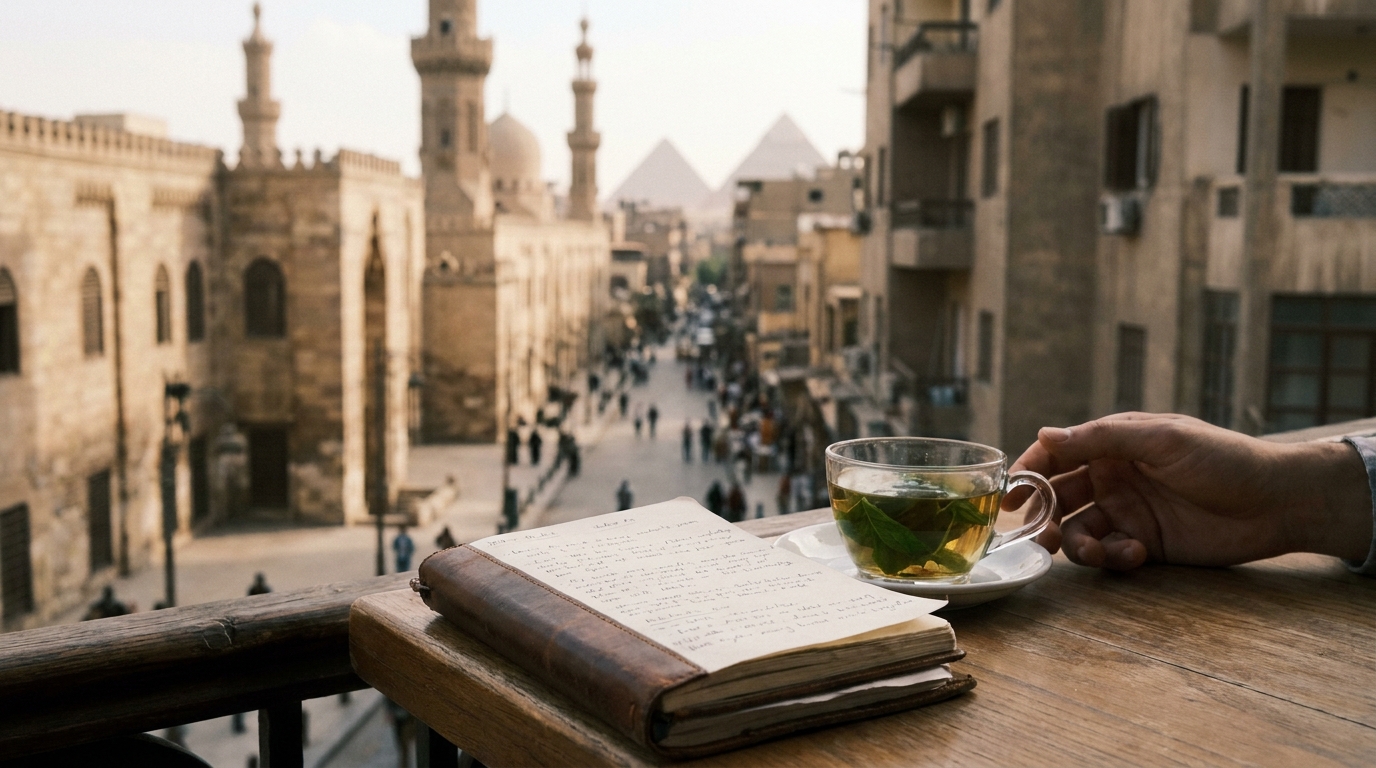
Five days is the sweet spot for Cairo: long enough to cover the major sites without rushing, short enough to avoid burnout in a city that demands real energy. You’ll have time for the Giza Plateau, the Grand Egyptian Museum, Islamic Cairo, the Coptic Quarter, a Nile felucca ride, and a day trip to Memphis or Saqqara. What you won’t have time for is everything — so we’ve built this itinerary around the sites that genuinely move the needle.
Cairo proper is home to around 22 million people, making it one of the most densely populated urban areas on earth. Traffic is legendary. We’ve factored in realistic transit times: budget 30-45 minutes for most cross-city trips by taxi or rideshare, and 15-20 minutes on the Metro within central zones.
Day 1: Giza Plateau and the Grand Egyptian Museum
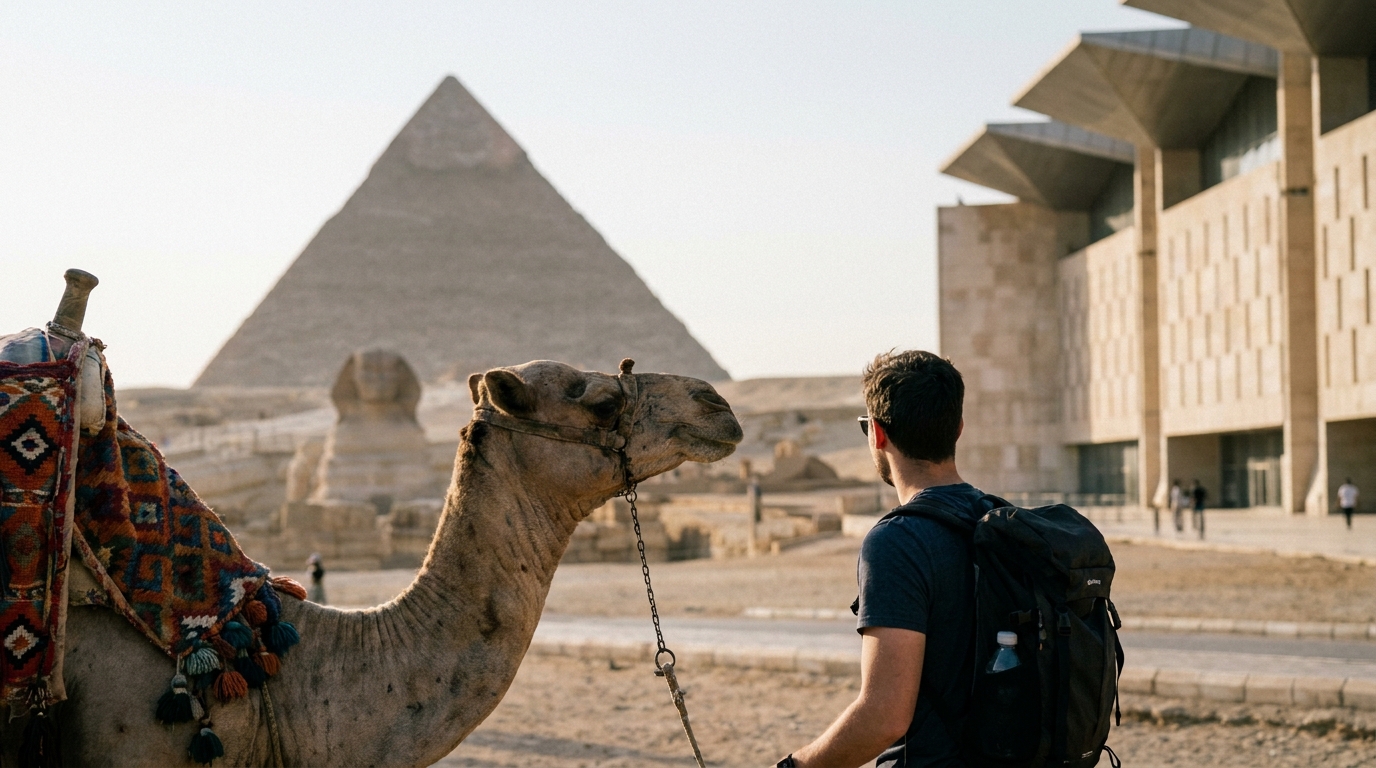
Start your trip with the heaviest hitters on day one, while your legs are fresh. The Giza Plateau opens at 8:00 AM — arrive by 8:15 to beat the first tour bus wave, which typically rolls in between 9:00 and 10:00 AM.
Giza Plateau (8:15 AM – 12:30 PM)
General admission to the plateau is EGP 450 (~$9). The Great Pyramid interior ticket costs an additional EGP 750 (~$15), and the Solar Boat Museum runs EGP 100 (~$2). We recommend skipping the interior — the climb is claustrophobic and the chamber itself is bare. The Solar Boat Museum, however, is genuinely worth it: a 4,600-year-old cedar vessel, reconstructed from 1,224 pieces, sits in a purpose-built climate-controlled hall. Plan 45 minutes here.
Book a licensed guide through GetYourGuide’s Giza small-group tours — prices start at $28 per person for a 3-hour morning session. A guide makes an outsized difference at Giza; the site has almost no signage.
Lunch at Koshary El Tahrir (1:00 PM)
Koshary — Egypt’s national dish of lentils, rice, pasta, and spiced tomato sauce — costs EGP 40-60 (~$0.80-$1.20) per bowl at local spots near the plateau. Avoid restaurants immediately adjacent to the pyramids; markup is 4-5x.
Grand Egyptian Museum (2:30 PM – 6:00 PM)
The GEM sits 2 km from the Giza Plateau — a 10-minute taxi ride costs EGP 50-80. Admission is EGP 900 (~$18) for general access; the Tutankhamun galleries require a separate EGP 450 ticket. Buy both. The Tutankhamun collection alone covers 5,000+ objects across two dedicated floors. Plan 3.5 hours minimum. The GEM’s cafe serves decent coffee at EGP 80-120 per drink.
Where to stay near Giza: Mid-range hotels in the Giza district run $55-$85/night. Search availability on Booking.com for options within 3 km of the plateau.
Day 2: Islamic Cairo and Khan el-Khalili
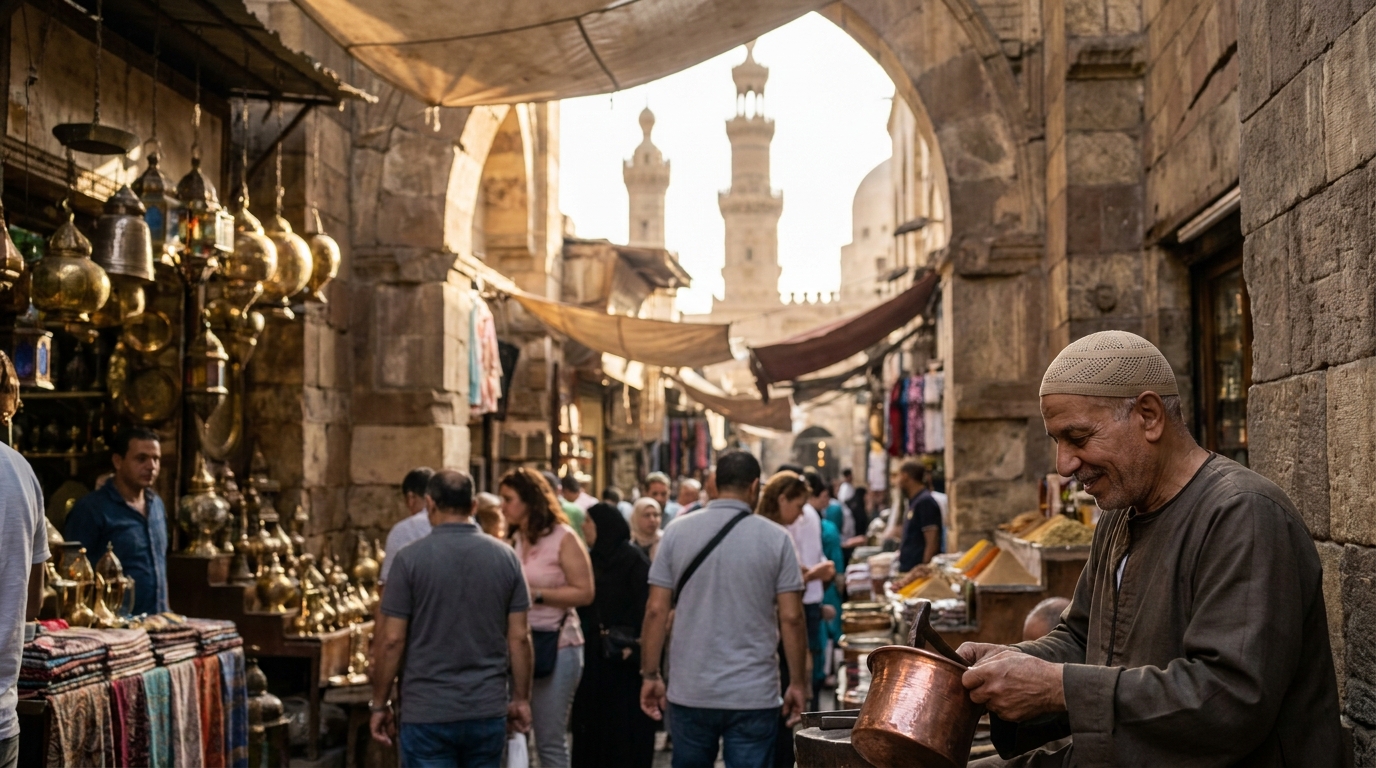
Islamic Cairo is where Cairo stops being a museum and starts being a city. The medieval street grid around Al-Muizz Street contains more intact medieval Islamic architecture per square kilometer than anywhere else on earth — over 600 listed monuments in a district less than 2 km across.
Al-Muizz Street (9:00 AM – 12:00 PM)
Entry to Al-Muizz Street itself is free. The major mosques charge EGP 100-200 per site. Prioritize the Mosque of Ibn Tulun (9th century, EGP 100) and the Mosque-Madrassa of Sultan Hassan (14th century, EGP 150) — both are architecturally distinct and less crowded than Al-Azhar. Dress modestly: covered shoulders and knees for all genders; women will be offered a robe at the entrance.
Khan el-Khalili Bazaar (12:30 PM – 2:30 PM)
Khan el-Khalili is a working bazaar, not a tourist souvenir market — though it has become both. Brass lanterns, spice vendors, papyrus shops, and gold jewelry sit alongside cafes that have operated for centuries. El-Fishawy Cafe, open since 1797, serves mint tea (EGP 40-60) and is worth 20 minutes of people-watching.
Bargaining is expected. Start at 40% of the opening price for souvenirs. Don’t feel pressured — walking away is a standard negotiating tactic here, and vendors will often call you back.
Citadel of Saladin (3:30 PM – 5:30 PM)
The Citadel sits on a spur of the Mokattam Hills and offers the best panoramic view of Cairo. Admission is EGP 300 (~$6). The Mohamed Ali Mosque inside the complex is the most photographed building in Egypt after the pyramids — the Ottoman-style alabaster interior is worth the trip. Grab a day tour that combines Islamic Cairo and the Citadel for better context on EGP 600 (~$12).
Day 3: Coptic Cairo, the Nile, and Downtown
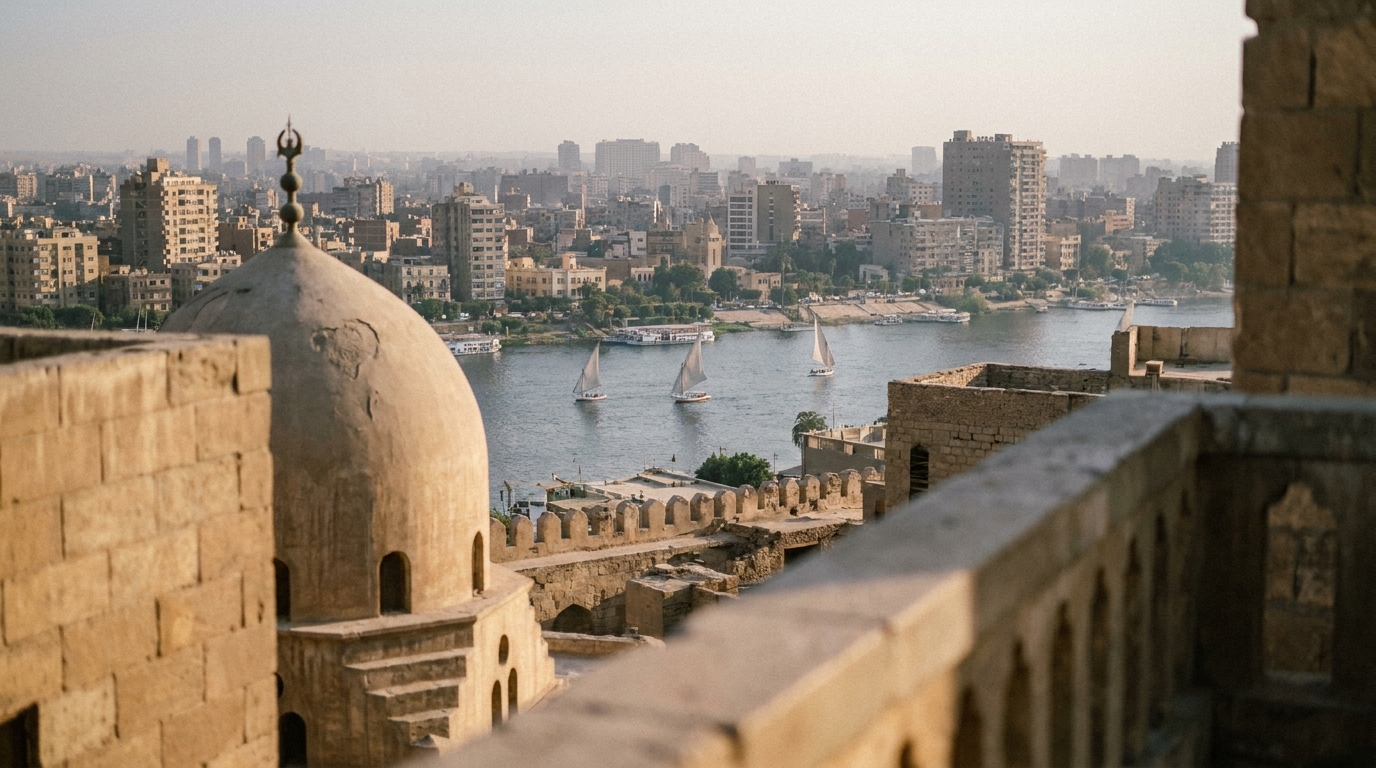
Day three works well as a slower-paced day — Coptic Cairo rewards wandering, and a Nile felucca ride in the late afternoon is one of Cairo’s more low-key pleasures.
Coptic Cairo (9:00 AM – 11:30 AM)
Coptic Cairo sits within the walls of the Roman fortress of Babylon, occupied continuously since 600 BC. The Hanging Church (Al-Muallaqah) and the Church of Saints Sergius and Bacchus (Abu Serga) — traditionally identified as a resting point of the Holy Family during their flight into Egypt — are the two anchor sites. Entry to the compound is free; some individual churches charge EGP 50-100.
The Coptic Museum (EGP 200) holds the world’s largest collection of Coptic art, spanning textiles, manuscripts, and carved woodwork from the 4th through 14th centuries. Budget 1.5 hours.
Lunch in Zamalek (12:30 PM)
Zamalek, Cairo’s island district in the Nile, is where expats and Cairo’s international crowd eat. Sequoia restaurant has a Nile terrace; mains run EGP 200-450 (~$4-$9). The neighborhood is also good for independent coffee shops — try Roastery Cairo on 26th of July Street.
Nile Felucca (4:00 PM – 6:00 PM)
Feluccas — traditional wooden sailboats — depart from the Corniche near Tahrir Square. Negotiate directly with the captain: EGP 250-400 per hour for the whole boat (fits 6-8 people) is a fair rate in 2026. An hour on the water as the sun drops behind the city is one of Cairo’s genuinely free pleasures.
Downtown Cairo (7:00 PM onwards)
Downtown’s Belle Epoque architecture — built in the late 19th century when Cairo briefly imagined itself as “Paris on the Nile” — is best seen after dark when the buildings are lit. Talaat Harb Square is the center; the surrounding streets are full of cheap koshary joints, ahwa (traditional coffeehouses), and occasional live music.
Day 4: Memphis, Saqqara, and Dahshur Day Trip
Day four takes you outside Cairo to older ground. Memphis was Egypt’s ancient capital; Saqqara contains the Step Pyramid of Djoser, the world’s oldest large-scale cut stone structure (built 2650 BC). Dahshur holds two pyramids that predate Giza and are nearly always empty.
Getting There
This day requires a car. Discover Cars lists rental options from Cairo International Airport and city locations from around $35/day for a compact; local alternatives include private drivers hired through your hotel (EGP 1,000-1,500/~$20-$30 for a full day) or book a guided day trip via GetYourGuide from $35-$45 per person, which includes transport and a guide.
Memphis Open Air Museum (9:30 AM – 10:30 AM): EGP 200 (~$4). The highlights are a colossal limestone statue of Ramesses II and the alabaster sphinx — small by pyramid standards, but exquisitely carved.
Saqqara (11:00 AM – 1:30 PM): EGP 450 general admission, EGP 200 extra for the Step Pyramid interior (currently open to limited visitors in 2026 — confirm in advance at the ticket office). The Pyramid of Unas, with its interior walls covered in the oldest religious texts ever found (Pyramid Texts, c. 2375 BC), justifies the EGP 150 surcharge.
Dahshur (2:30 PM – 4:00 PM): EGP 180 (~$3.60). The Bent Pyramid and the Red Pyramid sit in near-total silence — no tours, almost no other visitors. The Red Pyramid’s interior is accessible (tight passages, bring a headlamp) and genuinely surreal. This is what Giza would feel like without the crowds.
Day 5: Al-Azhar Park, City of the Dead, and Final Meals
Use day five to catch what you’ve missed and slow down. Al-Azhar Park, built in 2005 on a site previously buried under centuries of rubble, offers an elevated view across Islamic Cairo and is one of the few genuinely green spaces in central Cairo.
Al-Azhar Park (9:00 AM – 11:00 AM)
Entry is EGP 45 (~$0.90). The park sits on the edge of the Fatimid city wall — sections of the 12th-century Ayyubid wall are preserved and visible from the upper terrace. The park cafe opens at 9:00 AM; the breakfast spread (EGP 150-200) is solid.
City of the Dead (11:30 AM – 1:00 PM)
The Northern and Southern Cemeteries — known collectively as the City of the Dead — are a 6 km stretch of Mamluk mausolea and tombs that have also served as a residential neighborhood for centuries. Walking through is free; the Mamluk architecture is extraordinary. Take a rideshare to the northern entrance and walk south toward the Al-Azhar Park side. This is not a grim place — vendors sell tea, children play football between the tombs.
Egyptian Museum (Tahrir) — Optional (2:30 PM – 5:00 PM)
If you want a second museum day, the original Egyptian Museum on Tahrir Square (EGP 500 general admission) still holds collections not yet transferred to the GEM, including the royal mummies gallery (EGP 500 surcharge). It’s genuinely crowded and the labeling is poor — consider it supplemental rather than essential at this point.
Final Dinner in Zamalek or Mohandeseen
Karam restaurant in Mohandeseen is Cairo’s best bet for a proper Lebanese-Egyptian dinner: mezze, grilled meats, and fresh bread. Budget EGP 400-700 per person (~$8-$14) with drinks.
| Day | Main Sites | Est. Entrance Fees (EGP) | Est. Cost (USD) |
|---|---|---|---|
| Day 1 | Giza Plateau, GEM | 1,350-1,550 | $27-$31 |
| Day 2 | Islamic Cairo, Khan el-Khalili, Citadel | 550-650 | $11-$13 |
| Day 3 | Coptic Cairo, Nile, Downtown | 250-300 | $5-$6 |
| Day 4 | Memphis, Saqqara, Dahshur | 1,000-1,200 | $20-$24 |
| Day 5 | Al-Azhar Park, City of Dead, Museum | 545-1,045 | $11-$21 |
Find your Cairo hotel on the map
Live prices from Booking & Airbnb — tap a pin to compare stays around Downtown and Zamalek and beyond.
Where to Stay in Cairo for 5 Days
The right neighborhood depends on your priorities. We recommend Zamalek or Downtown for first-time visitors — both are central, relatively quiet by Cairo standards, and well-served by rideshare and Metro.
Zamalek (Nile island): boutique hotels, expat-friendly cafes, walkable riverfront. Mid-range options run $65-$110/night. Browse Zamalek hotels on Booking.com.
Downtown / Garden City: closest to the Egyptian Museum (Tahrir) and the Metro hub. Business hotels dominate; mid-range rates are $55-$90/night.
Giza / Pyramid Road: convenient for day one, but you’ll spend more time commuting on days 2-5. Worth it if you’re on a tight budget or have an early pyramid tour.
New Cairo / Heliopolis: near the airport but far from everything else — only relevant if you have a late arrival or early departure.
For budget travelers, Airalo’s Egypt eSIM costs around $8 for 3 GB/7 days — worth buying before you land to have maps and rideshare apps working from the moment you exit immigration.
Practical Tips for 5 Days in Cairo
Currency and payments: Egypt is still heavily cash-dependent outside of large hotels and tourist restaurants. ATMs in the airport arrival hall dispense EGP reliably; commission is typically EGP 25-35 per withdrawal. Bring a debit card with no foreign transaction fee.
Getting around: Careem and InDrive are the main rideshare apps and work well across the city. The Cairo Metro (Line 1, 2, 3) is useful for the Tahrir-to-Helwan and Shubra-to-Giza corridors. Taxis without meters will quote inflated prices; always agree on a fare before getting in, or use the app.
SIM cards and connectivity: Vodafone Egypt and Orange both sell SIM cards at the airport (EGP 50-100, with a data package). You’ll need your passport to register.
Weather in 2026: Cairo has essentially no rain. June temperatures average 35-38°C (95-100°F) — this is hot. Mornings and evenings are the time to be outside; midday heat is genuinely limiting. Pack sun protection, start early, and rest between 1-3 PM.
Tipping (baksheesh): Expected at most tourist sites for “guardians” who show you around unofficial areas. EGP 20-50 is standard; carry small bills.
Frequently Asked Questions
How many days do you need in Cairo?
Five days covers the essential Cairo experience comfortably. Three days is the bare minimum for Giza, the GEM, and Islamic Cairo. Seven days lets you add a Nile cruise connection from Luxor or an Alexandria day trip without feeling rushed.
Is Cairo safe for tourists in 2026?
Cairo is broadly safe for tourists in 2026. The Egyptian government maintains a strong security presence around tourist sites. Standard urban precautions apply: watch your bags in busy markets like Khan el-Khalili, avoid unsolicited “guides,” and use registered rideshare apps rather than unmarked taxis. The UK and US FCO both rate Egypt as “exercise normal precautions” in Cairo as of 2026.
What is the best time of year to visit Cairo?
October through April is the most comfortable window — daytime highs of 20-28°C (68-82°F) and almost no humidity. December and January see the most tourist traffic. If you’re visiting in May-September, start outdoor activities by 7:30 AM and plan indoor breaks between noon and 3 PM.
How do I get from Cairo Airport to the city center?
The Cairo Metro Line 3 now connects Terminal 1 and Terminal 2 to the central Abd El Moneim Riad hub near Tahrir Square — the journey takes around 40 minutes and costs EGP 20 (~$0.40). Careem from the airport to Downtown runs EGP 200-350 (~$4-$7) depending on traffic; airport taxis are metered and run EGP 250-400.
Do I need a visa for Egypt?
Most nationalities (US, UK, EU, AU) can obtain an e-visa online before travel through the official Egypt e-Visa portal (visa.eg) for $25 USD. The process takes 24-72 hours. Visa-on-arrival is also available at major international airports for the same fee but involves queuing.
Can I do Giza and the GEM in the same day?
Yes, and we recommend it. Arrive at Giza by 8:15 AM, finish by 12:30-1:00 PM, eat near the site, then take a taxi to the GEM for a 2:30 PM start. The GEM’s climate-controlled halls are a relief after a morning in the heat. Allow 3-3.5 hours in the GEM — it’s larger than it looks on the map.
What should I eat in Cairo?
Start with koshary (lentils, rice, pasta, spiced tomato sauce) — EGP 40-60 per bowl. Ful medames (slow-cooked fava beans) and taameya (Egyptian falafel, made from fava not chickpeas) are the standard breakfast. Shawarma and grilled kofta are everywhere for lunch and dinner. For a sit-down meal, Karam in Mohandeseen, Zooba in Zamalek, and El Abd Bakery on Talaat Harb Street are all worth planning around.
Your 5-Day Cairo Plan: What to Book Before You Arrive
Cairo rewards planning around logistics. The sites are extraordinary; the gaps between them — Cairo traffic, midday heat, confusing ticketing — are where poorly planned trips lose hours.
Book your Giza guided morning tour through GetYourGuide before you land: the best-reviewed small-group options sell out 3-4 days ahead, especially in the October-April high season. Sort your accommodation on Booking.com now — Zamalek and Downtown fill up fast in peak months. If you’re renting a car for the Saqqara day trip, compare rates through Discover Cars to get the best price from local and international suppliers. And pick up an Egypt eSIM via Airalo so you’ve got data from the moment you clear immigration.
Five days goes fast in a city this size. The itinerary above gives you a structure — adjust it around your own pace, and don’t skip the slow moments. Some of the best Cairo hours are the ones spent at a sidewalk cafe watching the city move.