Best Time to Visit Chile in 2026: Month-by-Month Regional Guide
Disclosure: Some links in this guide are affiliate links. If you book or buy through them, we may earn a small commission at no extra cost to you — it helps keep our guides free.
- Patagonia and Torres del Paine: plan for October to March, with November often singled out as the sweet spot before peak summer crowds.
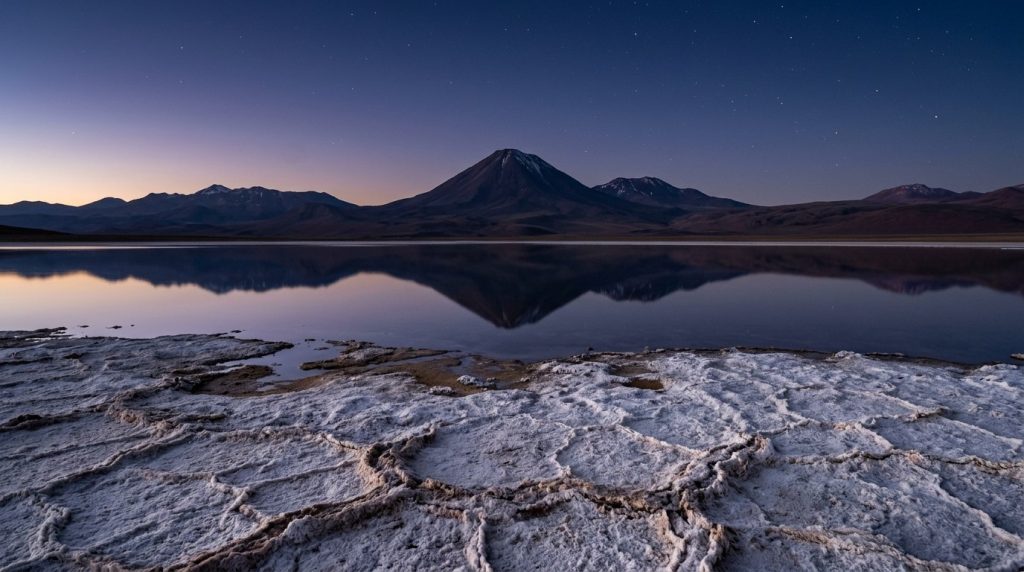
- Atacama Desert: it works year-round, but May to September is colder and often more comfortable for daytime touring, with sharp, clear nights for stargazing.
- Santiago and central Chile: September to April brings the warmest, driest weather, and the wine harvest falls in late summer and early autumn.
- Easter Island: April to November is one commonly cited window, and it is the priciest part of any Chile trip, so book early.
- Skiing: the Andes resorts near Santiago run roughly June to September, which overlaps neatly with the best desert months.
There is no single best time to visit Chile, because the country stretches about 2,600 miles from the Atacama Desert to Patagonia. For most first-timers combining Santiago, wine country, and Patagonia, November through March is the safest window. If your plan centers on the desert or skiing, the calendar flips.
Chile sits in the Southern Hemisphere, so summer runs December to February and winter runs June to August. Travel sites also disagree on timing. One says Torres del Paine is best in November, another says Santiago peaks September to April, and a third prefers the Atacama in the cooler months. They are not wrong, they are describing different places. This guide sorts the advice by region so you can match the season to your route.
A common mistake is trying to fit Patagonia, the desert, and Santiago into one September trip. It worked on paper and fell apart in practice. Santiago was crisp and lovely, but the Patagonia trails were still waking up for the season and some services were limited. On a later trip in late spring I had the opposite problem: great trekking weather, but the desert felt hot at midday. Since then I pick the region first and the month second.
When is the best time to visit Chile overall?
The best overall window for a classic Chile itinerary is November to March, when Santiago is warm and dry and Torres del Paine is open for trekking. Sources conflict beyond that, because advice changes by region. Patagonia favors October to March, Santiago favors September to April, and the Atacama favors May to September.
Think of Chile as three trips glued together. The north is a desert with almost no rain. The center has a Mediterranean climate with hot, dry summers and cool, damp winters. The south is cool, windy, and wet, with weather that can change in an hour.
If you can only choose one month for a multi-region route, November is a strong pick. Spring is in full swing, Patagonia is open, Santiago is comfortable, and you miss the January and February rush when Chilean families are on school holiday. March is a close second. Crowds thin, prices ease, and the central valley harvest begins.
Month-by-month snapshot
The table below is a rough guide, not a forecast. Weather varies by year and altitude.
| Month | Santiago and wine country | Atacama | Patagonia | Notes |
|---|---|---|---|---|
| Dec-Feb (summer) | Hot, dry, very sunny | Warm days, occasional highland rain | Peak season, long days, strong wind | Highest prices and crowds |
| Mar-May (autumn) | Harvest, mild, golden vineyards | Comfortable, cooling | Shoulder season, services closing by May | Good value, fall colors in the south |
| Jun-Aug (winter) | Cool, some rain, Andes snow | Cold nights, clear skies | Mostly closed or very limited trekking | Ski season in the Andes |
| Sep-Nov (spring) | Warming, flowers, clear days | Pleasant, crisp nights | Opening up, variable weather | Best balance across regions |
Source: national weather service climate summaries and operator guidance, 2026
What is the best time to visit Santiago and the central valley?
Santiago is at its best from September to April, when days are warm, skies are dry, and outdoor plans rarely get rained out. Summer can be hot, so many locals leave town in January and February. If you want the city itself, spring and early autumn feel the most relaxed.
The central valley is Chile’s wine heartland, and the grape harvest usually falls in late summer and early autumn, roughly March to April. Visiting then means working vineyards, harvest events, and golden light. Winter can be a good time for tastings too, since cellar rooms are quiet and tours are easier to book.
Santiago works well as a short base. A day trip to Valparaiso and Vina del Mar usually takes 8 to 10 hours, and tours run roughly $39 to $111 depending on what is included (operator pricing, 2026). A Santiago city walking tour that includes the Cerro San Cristobal cable car starts around $59. In winter, the same hill gives clearer views after a rain has washed out the smog.
A money-saving tip: skip the pricey tour for Valparaiso if you are comfortable with public transit. The bus from Santiago is cheap, and the funicular rides in the hills cost very little. Check current fares, since they change.
When should you visit the Atacama Desert and go stargazing?
The Atacama can be visited year-round because it is one of the driest places on Earth, but May to September is often the more comfortable window for daytime touring. Days are milder, though nights drop near freezing. The trade-off is that you will want a real jacket after sunset.
For stargazing, the sky is the point. Clear, dry air and high altitude make the stars look sharp in any season. The moon matters more than the month. Aim for the days around a new moon, and expect fewer visible stars near a full moon.
Plan for altitude. San Pedro de Atacama sits at roughly 8,000 feet, and nearby sights climb higher. Give yourself a day to adjust before big excursions.
Costs are modest for a desert destination. A shared Valle de la Luna tour is about $35, and a guided version is about $63, with the park fee of around CLP 10,800 paid separately (operator pricing, 2026). Sunset tours are popular, so book a day or two ahead in high season.
One thing to watch: in the height of summer, highland storms can sometimes disrupt tours and road access in the Altiplano. Build in a buffer day if you are connecting to a flight.
What is the best time to hike Torres del Paine and Patagonia?
Torres del Paine is best from October to March, and November is the month one major source singles out. That is spring in the Southern Hemisphere. Trails are open, daylight is long, and the park is quieter than in January and February.
Expect wind at any time. In summer, gusts can be strong enough to slow your walking pace, so pack layers and a good shell. Weather can change several times a day, which is why flexibility matters more than picking the “perfect” week.
Winter, roughly June to August, is cold and dark, and many refugios and services close or run limited schedules. If trekking is the goal, avoid that period. Shoulder months like March can bring autumn color and fewer people, but plan around shorter days.
Costs add up quickly here. Refugio beds with meals run about EUR 60 to 120 per night (approximate, check current rates), and a full-day tour from Puerto Natales is roughly $66 to $120 (operator pricing, 2026). Booking refugios far ahead is the single biggest planning step for the W circuit.
What should you know about Torres del Paine park fees?
Fees are changing, so check CONAF before you go. Reports conflict: some sources cite about $35 for foreigners in high season, while others cite roughly CLP 38,000 to 48,500. CONAF has also reportedly moved to route-based fees from May 2026. Treat any figure here as approximate and confirm on the official CONAF site.
A practical tip: screenshot your reservation and fee confirmations. Park staff may ask for them, and mobile signal is patchy in the park.
Is the Lake District worth it, and when should you go?
The Lake District is worth it if you like volcanoes, forests, and lakes, and it is best from late spring to early autumn, roughly November to March. Summer brings the warmest, driest weather. That is when swimming, kayaking, and volcano hikes are most reliable.
It sits between Santiago and Patagonia, so it makes a natural stopover. In the same Southern Hemisphere pattern, summer is the busy season and prices rise. Spring and autumn offer fewer people, and autumn gives the forests a colorful turn.
Winter is wet and gray, with lots of rain. It can still be a good time for hot springs and cozy stays, but outdoor plans take a hit. If you are traveling on a tight budget, shoulder months give the best value without losing too many good-weather days.
When is the best time to visit Easter Island?
Easter Island has mild weather most of the year, and April to November is one commonly cited window for visiting. The island is warm and humid in summer and cooler in winter. Expect wind and quick showers at any time, so a light rain jacket is worth packing.
The main draw is the moai, with nearly 1,000 statues scattered across the island. Top stops include Ahu Tongariki at sunrise, the quarry at Rano Raraku, and the Orongo ceremonial village. A full-day group tour runs about $95 to $119, a sunrise tour is about $100, and a two-day private tour is about $240 (operator pricing, 2026).
Easter Island is the most expensive part of most Chile trips, so timing affects your wallet. Flights and lodging fill up in peak periods. Book early, and consider staying three or four nights so you can see the main sites without rushing.
When is ski season in Chile?
Ski season in the Chilean Andes runs roughly June to September. Resorts near Santiago are close enough for a day trip, which makes skiing an easy add-on to a winter city break. Snow conditions vary by year, so check resort reports before booking.
This is a smart way to flip the calendar if you live in the Northern Hemisphere. You can ski in July and August when home resorts are bare. It also overlaps with the Atacama’s comfortable season, so a ski-and-desert combo is realistic.
Prices vary a lot by resort and week, and the busiest times are Chilean school holidays in July. Midweek lift tickets and shoulder weeks in June or September are the best ways to save.
What does each region look like by season?
Matching the region to the season is the fastest way to plan. Use this table as a starting point and adjust for your own tolerance for crowds, cold, and cost.
| Region | Best months | Why go then | Watch out for |
|---|---|---|---|
| Santiago and central valley | Sep-Apr | Warm, dry, harvest in Mar-Apr | Summer heat, winter smog |
| Atacama Desert | May-Sep (year-round possible) | Cooler days, clear night skies | Cold nights, altitude |
| Torres del Paine | Oct-Mar (Nov often cited) | Open trails, long daylight | Strong wind, high demand |
| Lake District | Nov-Mar | Warmest and driest | Summer crowds, winter rain |
| Easter Island | Apr-Nov | Mild weather, quieter shoulder periods | High costs, limited flights |
| Andes ski resorts | Jun-Sep | Snow close to Santiago | July holiday crowds |
Source: national tourism board and operator guidance, 2026
If you are building a two-week route, a workable pattern is Santiago and wine country first, then a flight south to Patagonia, with the desert saved for a separate trip. Internal flights in Chile are long, so cutting one region often saves more than it costs in lost sights.
Find your Chile hotel on the map
Live prices from Booking, Airbnb and more — move the map or change dates to compare stays across Chile.
Frequently Asked Questions
What is the cheapest time to visit Chile?
Shoulder seasons are usually cheapest: March to May and September to early November in most regions. You avoid the January and February peak and the July school holidays. Prices vary by region, so compare lodging and tours for your exact dates.
Is November a good month to visit Chile?
Yes, November is one of the best months for a multi-region trip. Torres del Paine is open and uncrowded compared with peak summer, Santiago is warm, and spring brings flowers in the central valley. One source specifically singles out November for Patagonia.
Can you visit the Atacama Desert in summer?
Yes, the Atacama is a year-round destination, though May to September is often more comfortable for daytime activities. In summer, days are hotter and highland storms can occasionally disrupt tours. Stargazing works well in any season if you avoid the full moon.
Do Torres del Paine fees change in 2026?
Yes, reports indicate that fees changed in 2026 and that CONAF may use route-based pricing from May. Figures online conflict, with some citing about $35 in high season and others citing CLP 38,000 to 48,500. Always confirm current fees with CONAF before booking.
How many days do you need in Chile?
Ten to fourteen days covers Santiago, wine country, and one major region such as Patagonia or the Atacama. Add three or four days for Easter Island. Long distances and flight times are the main reason Chile trips run longer than first-timers expect.
Pick your region first, then match the month, and you will rarely go wrong in Chile. Whether you chase November trails in Patagonia, desert skies in July, or harvest season in March, check CONAF and your airline for the latest fees and schedules before you lock anything in.