Best Time to Visit Guatemala in 2026: Month-by-Month Guide
Disclosure: Some links in this guide are affiliate links. If you book or buy through them, we may earn a small commission at no extra cost to you — it helps keep our guides free.
- Dry season (Nov-Apr) is the safe bet: clear volcano views, easier hiking, and the most reliable roads.
- Rainy season (May-Oct) saves money: showers usually arrive in the afternoon, mornings are often fine, and Lake Atitlan is typically cheapest around August to October.
- Elevation changes everything: Antigua and Atitlan are mild by day and cool at night, while Tikal and the coasts stay hot and humid.
- Book early for Semana Santa: Holy Week in Antigua (late March 2027) is spectacular but crowded and expensive.
- Tikal leans late dry season: one source puts the lowest humidity at January to May, so plan the jungle leg accordingly.
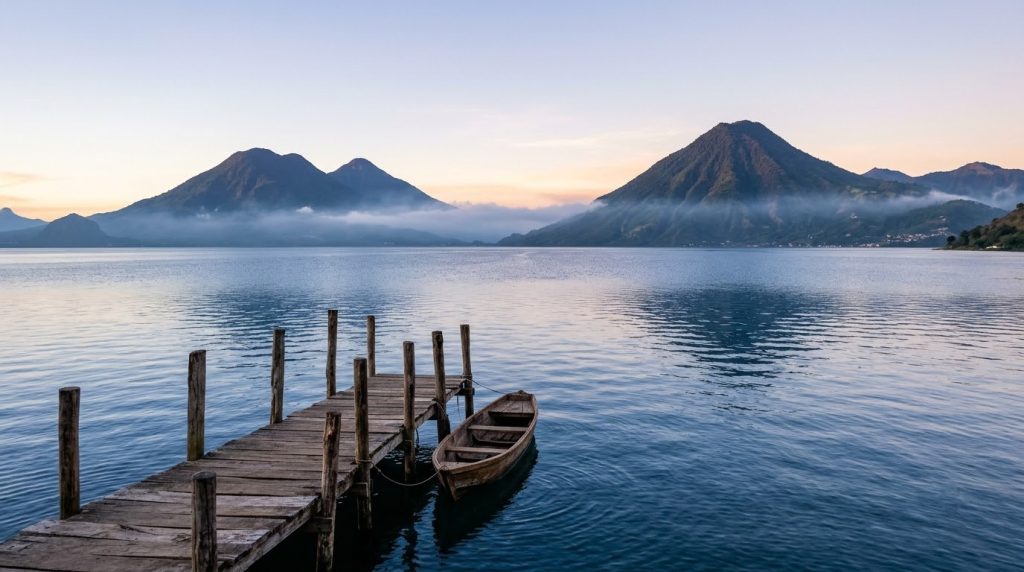
The best time to visit Guatemala is the dry season, roughly November through April. Skies are clearest for volcano summits, Tikal’s jungle trails are easier to walk, and roads to remote spots like Semuc Champey are in better shape. If you can only pick one window, aim for late November to early March.
That said, “best” depends on what you want. The rainy season, May to October, brings green hillsides, fewer travelers, and some of the lowest lodging prices of the year. Guatemala is small but varied, so the highlands, the Petén jungle, and the coasts each behave differently. This guide breaks it all down by month, region, and budget.
The first time I planned a Guatemala trip, I assumed “rainy season” meant a washout. It didn’t. In the highlands the rain tended to hold off until mid-afternoon, so I did my walking and market visits in the morning and used the downpour as a coffee break. What I wasn’t ready for was how cold Antigua gets after dark in December and January. I packed shorts and a thin hoodie and spent two evenings shivering. Pack layers whatever month you choose.
When Is the Best Time to Visit Guatemala?
The dry season, from about November to April, is the best overall window for Guatemala. Travel guides such as Lonely Planet point to clear skies for volcano summits, Tikal, and Semuc Champey during these months. Expect sunshine, cooler nights in the highlands, and the busiest tourist calendar.
Within that window, timing matters. November is a sweet spot because the land is still green from the rains, crowds haven’t peaked, and prices haven’t jumped for the holidays. December and early January bring festive energy and higher rates. February and March are dry and warm, with Semana Santa pushing demand even higher.
| Month | Highland weather (Antigua, Atitlan) | Lowland weather (Tikal, coasts) | Crowds | Prices |
|---|---|---|---|---|
| Nov | Dry, mild days, cool nights | Hot, humidity dropping | Moderate | Moderate |
| Dec | Dry, chilly nights | Hot, drier | High (holidays) | High |
| Jan | Dry, coldest nights | Hot, drier | High | High |
| Feb | Dry, sunny | Hot, lower humidity | Moderate to high | Moderate to high |
| Mar | Dry, warming | Very hot | High (Semana Santa) | Peak in Holy Week |
| Apr | Dry, warm, dusty | Very hot | Moderate | Moderate |
| May | Rains begin, afternoon showers | Hot, humid | Low | Lower |
| Jun-Jul | Green, frequent showers | Hot, humid, rainy | Low | Low |
| Aug-Sep | Wet, heaviest rain often late season | Hot, humid, rainy | Low | Lowest |
| Oct | Rain easing late in the month | Hot, humid | Low to moderate | Low |
Source: national weather service climate patterns and operator pricing trends, 2026. Approximate; conditions vary year to year.
For a deeper look at what to do once you arrive, see our guide to things to do in Guatemala.
What Is the Weather Like in Guatemala’s Dry Season?
Dry season in Guatemala runs roughly November to April, with little or no rain across most regions. Highland days are sunny and comfortable, while nights in towns like Antigua and Lake Atitlan can feel genuinely cold. Lowland areas such as Tikal and the Pacific coast stay hot throughout.
Here’s the catch many first-timers miss: dry doesn’t mean uniform. By March and April, the country gets dusty and hazy, and farm burning can dull long-distance views. The clearest, crispest skies tend to come in November through February, which is also when volcano photos look best.
Why elevation matters
Antigua sits at roughly 5,000 feet, and Lake Atitlan is a little higher. That altitude gives you spring-like days and cold evenings. Quetzaltenango and the western highlands are higher still, so expect real chill there in December and January. Pack a fleece and a rain shell, and you’re covered for the whole country.
Dry season trade-offs
You get the best hiking and the most reliable transport, but you pay for it. Hotels in Antigua and the lake towns book up around Christmas, New Year, and Holy Week. Reserve rooms and popular tours a few weeks ahead during those stretches, and be flexible on dates in between to find cheaper nights.
What Is Guatemala’s Rainy Season Really Like?
Rainy season runs about May to October, and it is greener, quieter, and cheaper. Showers usually arrive in the afternoon or evening, which leaves mornings workable for sightseeing. Birding is better, crowds are smaller, and one lake-area guide lists August to October as the cheapest stretch for Lake Atitlan lodging.
The trade-offs are real, though. Unpaved roads can turn muddy, landslides sometimes cut off mountain routes, and access to Semuc Champey gets harder in heavy rain. Cloud also hides volcano peaks more often. If you go, build slack into your schedule so one delayed shuttle doesn’t wreck your plans.
Who should travel in the rainy season?
Budget travelers, photographers who like moody green landscapes, birders, and anyone with flexible time. If you’re doing a long language-school stay in Antigua or on the lake, the rainy months also make sense, since you’re not chasing a single perfect summit day.
Tips for wet-season trips
Start tours early, carry a light rain jacket and a dry bag, and avoid tight same-day connections. Shuttles are generally reliable, but delays happen on mountain roads. Ask your lodging about road conditions before long transfers, especially toward Lanquin or the north.
How Does the Climate Differ by Region?
Guatemala’s climate depends mostly on elevation. The highlands around Antigua and Lake Atitlan are mild with cool nights. The Petén lowlands around Tikal are hot and humid year-round, and the Pacific and Caribbean coasts are hotter still. Matching your region to the season avoids most weather surprises.
| Region | Typical feel | Best months | Watch out for |
|---|---|---|---|
| Antigua and Pacaya area | Mild days, cool nights | Nov-Mar | Cold evenings, Holy Week crowds |
| Lake Atitlan | Mild, breezy afternoons | Nov-Apr | Afternoon winds, cheaper Aug-Oct |
| Western highlands (Quetzaltenango) | Cool to cold | Nov-Mar | Frosty nights Dec-Jan |
| Tikal and Flores (Petén) | Hot, humid | Jan-May | Heat, mud in heavy rain |
| Semuc Champey and Lanquin | Warm, humid | Nov-Apr | Harder access in the rains |
| Pacific and Caribbean coasts | Hot | Nov-Apr | Strong sun, wet-season storms |
Source: national weather service regional climate summaries and travel guide consensus, 2026. Approximate.
Tikal is the one place where the “dry season” advice gets a twist. One source rates January to May as the best stretch there because humidity is lower, even though April and May can feel brutally hot. Go early in the morning and bring plenty of water.
When Is the Best Time to Hike Guatemala’s Volcanoes?
The best time to hike Guatemala’s volcanoes is the dry season, November to April. Clear mornings give you views of Fuego’s eruptions from Acatenango, and trails are firmer. Pacaya is a guided hike, with shared tours from Antigua listed from about $23 and premium day tours from about $119.
Acatenango is an overnight climb, and the summit is cold. Nights near the top can approach freezing in the dry season, so rent or bring a proper jacket, gloves, and a warm hat. Trails get slippery and views disappear more often between May and October.
Pacaya in practice
Pacaya is the easy one. Tours run about six hours including pickup from Antigua, and a guide is mandatory. Prices are approximate and change, so compare a few operators. Shared tours cost far less than private ones, and the lava field walk is similar either way.
Safety and guides
One travel guide warns of robberies on some trails and on the outskirts of Antigua and Lake Atitlan, so a guided hike is the sensible choice. Go with a reputable operator, leave valuables at your hotel, and hike in a group. Wet-season clouds and mud make that advice even more important.
When Is Semana Santa in Antigua, and Is It Worth the Crowds?
Semana Santa, Holy Week before Easter, is Antigua’s biggest event, with processions, sawdust carpets, and incense filling the streets. In 2027 it falls in late March, since Easter is March 28. Rooms often sell out months ahead and rates rise sharply, so it rewards planners and punishes last-minute decisions.
Is it worth it? In my view, yes, if you want culture over calm. The processions are among the most memorable things you can see in Central America. If you prefer quiet cobblestones and cheap rooms, pick a different week and visit the processions’ leftover traces, like faded carpets, in early April.
Money-saving angle
Book as early as you can, or stay outside the center and walk in. Hostels in Guatemala typically run about $8 to $20 a night in normal weeks, but expect that to climb during Holy Week. Another option: base yourself near Lake Atitlan and day-trip to Antigua on a quieter day.
What Are the Price Seasons in Guatemala?
Guatemala is cheap compared with many Latin American destinations, but prices still move with the calendar. Basic hostels and guesthouses run about $8 to $20 a night, according to travel guides, while mid-range Antigua rooms start around $50. Peak dates are Christmas, New Year, and Holy Week; the low season is roughly May to October.
| Season | Months | Rooms (approximate) | Best for |
|---|---|---|---|
| Peak | Dec-Jan, Holy Week | Highest of the year | Festivals, clear volcano views |
| Shoulder | Nov, Feb, Apr | Moderate | Balance of weather and value |
| Low | May-Oct | Lowest, deals common | Budget trips, birding, long stays |
Source: operator pricing and published accommodation ranges, 2026. Approximate, check current rates.
Snapshot rates for Antigua range from about $50 for a convent-style boutique stay to $200 or more for a luxury colonial property. If you want specific properties and neighborhoods, our roundup of the best hotels in Guatemala lays out options by budget. All figures here are approximate and change often.
Smart ways to save
Travel in the shoulder months of November or April, book lodging directly when possible, and use shared shuttles instead of private transfers. Eat at comedores, the small local lunch counters, where set meals are usually far cheaper than tourist restaurants. Outside peak dates, you can often negotiate longer-stay discounts.
What Is the Best Month to Visit Guatemala for Your Trip Style?
Match the month to your priorities. First-timers do well in November or February. Volcano hikers should aim for December to March. Budget travelers can look at May or October. Tikal lovers should consider January to April, and culture seekers should plan around Holy Week.
A few combinations work particularly well:
- First trip, balanced: late November to early December. Green landscapes, clear skies, and fewer crowds than January.
- Photography: February, when air is dry and haze hasn’t built up yet.
- Budget and quiet: September or early October, accepting afternoon rain.
- Jungle plus highlands: February to April, with early starts at Tikal to beat the heat.
If you’re stitching together a route, start in the highlands, then fly or take a long bus north to Flores for Tikal. The two regions are far apart, so treat them as separate legs.
Frequently Asked Questions
What is the cheapest month to visit Guatemala?
The cheapest period is the rainy season, roughly May to October. One Lake Atitlan lodging guide lists August to October as the lowest-priced stretch there. Expect lower room rates and fewer crowds, but also afternoon showers and occasionally muddy roads. Prices are approximate and shift each year.
Is Guatemala safe to visit in the rainy season?
Yes, with sensible planning. The main concerns are muddy roads, occasional landslides, and cloud-covered volcano views. Guided hikes are strongly advised year-round because of trail robberies reported by some guides. Check local conditions before long transfers, and keep your schedule flexible.
When is the best time to see Tikal?
Dry season, particularly January to May according to one source, brings lower humidity and easier trails. Mornings are best because the heat builds quickly. Sunrise tours start from Flores or San Ignacio, and tours are usually long days of around eight hours.
How many days do I need to cover Guatemala?
Plan about seven to ten days for Antigua, Lake Atitlan, and one volcano hike. Add three to four days for Tikal and Flores, since it is a separate trip from the highlands. Semuc Champey needs a couple of extra days because it is remote. See the things to do in Guatemala guide for planning ideas.
Is it too cold in Guatemala in December and January?
Days are comfortable in the highlands, but nights in Antigua, Atitlan, and especially Quetzaltenango can be cold. Acatenango’s summit is colder still. Bring layers, a warm jacket, and socks. Lowland areas like Tikal remain hot, so pack for both extremes.
Find your Guatemala hotel on the map
Live prices from Booking, Airbnb and more — move the map or change dates to compare stays across Guatemala.
Final Thoughts on Timing Your Guatemala Trip
For most travelers, November to April is the right call, with late November and February offering the best mix of weather, crowds, and price. If you’re watching your budget, the rainy months can work well with a flexible plan and early-morning starts. Whichever month you pick, pack layers, book Holy Week early, and choose guided hikes for volcanoes.