Best Time to Visit the Dominican Republic in 2026: Month Guide
Disclosure: Some links in this guide are affiliate links. If you book or buy through them, we may earn a small commission at no extra cost to you — it helps keep our guides free.
- Best weather: the dry season runs about mid-December to April, with daytime temperatures in the 70s to low 80s F.
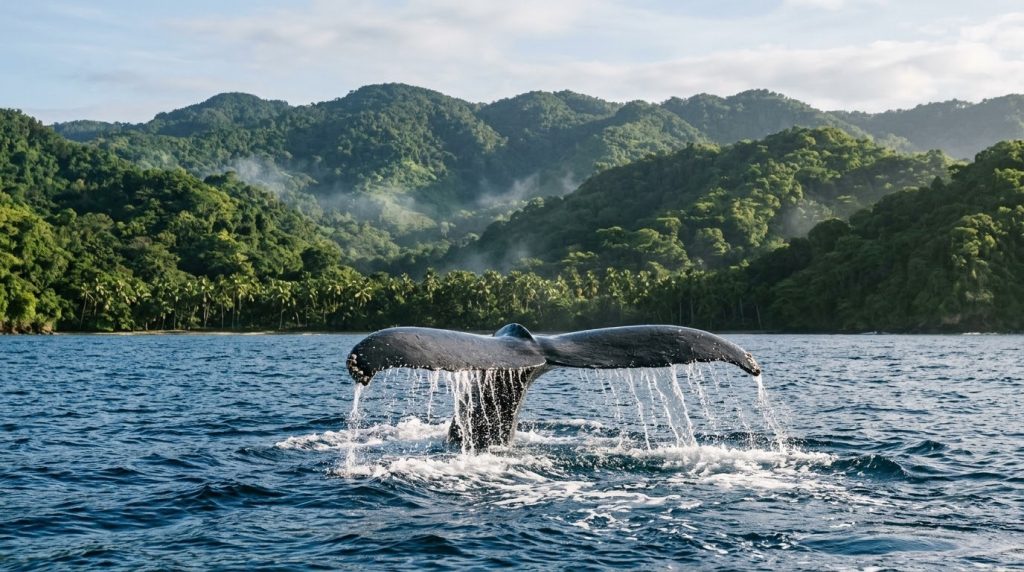
- Best for whales: humpbacks gather in Samana Bay from January to March, so plan that corner of the island for those months.
- Best for savings: the shoulder months (April-May, September-October) and the low season (June-November) bring the lowest prices.
- Hurricane season: officially June to November, but direct hits are rare, and the real risk window is late summer into early fall.
- Smart compromise: late April or early May often mixes good weather with post-peak pricing.
The best time to visit the Dominican Republic is the dry season, from about mid-December to April. Skies are mostly clear, humidity eases, and daytime temperatures sit in the 70s to low 80s F. If you want the best weather, February through April is the sweet spot for most beach trips.
That window is also the most expensive, so timing is really a trade-off between weather and money. The shoulder months of April-May and September-October often give you decent weather at lower rates, and June through November is the cheapest stretch of the year. This guide breaks down each season, the hurricane and sargassum questions, and how to save without ruining your trip.
On our trips to the island, the biggest surprise was how much the date changed the bill rather than the beach. A week in early March felt busy at the resort pool and the breakfast buffet, while a week in late May had empty loungers, a short wait for the Saona boat, and an afternoon downpour that cleared in under an hour. We’d pick the shoulder every time if the forecast allows.
When is the best time to visit the Dominican Republic?
The best time to visit the Dominican Republic is December to April, when the dry season brings the most sunshine and the least rain. Some guides name February-March or March-April as the peak months, though the exact pick depends on your priorities. Typical temperatures run from the 70s to low 80s F (national weather service, 2026).
The dry season is not perfectly dry. Short showers still pass through, especially on the north coast around Puerto Plata and Samana, which can get rain even in winter. The south and east, including Punta Cana, La Romana, and Santo Domingo, are generally drier.
Humidity is the other factor. In winter, trade winds and cooler nights make sightseeing in Santo Domingo much more comfortable. By summer the same walk through the Zona Colonial can feel heavy by 10 a.m.
What is the weather like month by month?
The Dominican Republic weather splits into a drier half (December to April) and a wetter half (May to November). Summer highs can reach about 95 F (35 C) in some areas, according to one regional travel guide (regional travel guide, 2026). Rain usually arrives as short, intense showers rather than all-day drizzle.
Here is how the year breaks down. Treat the figures as approximate, because microclimates vary between the north coast, the south coast, and the mountains.
| Month | Weather | Rain / storm risk | Best for |
|---|---|---|---|
| January | Warm, sunny, lower humidity | Low | Whale watching starts, beach weeks |
| February | Dry, 70s to low 80s F | Low | Beaches, Carnival events, whales |
| March | Dry and sunny | Low | Beaches, whales (through about late March) |
| April | Warm, mostly dry | Low to moderate | Beaches with fewer crowds after Easter |
| May | Hotter, more showers | Moderate | Value trips, quiet resorts |
| June | Hot and humid | Moderate | Cheap deals, snorkeling |
| July | Hot, afternoon storms | Moderate | Budget travel, family trips |
| August | Hottest, humid | Higher | Lowest prices, flexible travelers |
| September | Hot, wetter | Highest | Deep discounts if you accept risk |
| October | Warm, rainy | High | Quiet resorts, travel insurance a must |
| November | Easing rain, cooler nights | Moderate | Early recovery, good value |
| December | Drying out, festive | Low | Holidays, with rising prices late in the month |
Source: national weather service and regional travel guides, 2026
If you prefer a quick rule, think of it this way: the closer you get to January, the more reliable the sunshine becomes.
Is the Dominican Republic safe during hurricane season?
The Atlantic hurricane season officially runs June through November, and the Dominican Republic sits in the Caribbean storm path. Even so, guides generally describe direct hits as rare (regional travel guides, 2026). The busiest weeks for storms across the basin are usually August through October.
For travelers, the practical risk is disruption rather than danger. A passing storm can cancel boat trips, close beaches for a day or two, or delay flights. Resorts handle this routinely, and most keep guests informed.
Here’s how to protect yourself if you travel between June and November:
- Buy travel insurance that covers weather cancellations and interruptions, and read the named-storm clause.
- Book flexible rates so you can move dates if a storm forms.
- Watch the forecast from the national weather service and the US National Hurricane Center in the week before you fly.
- Keep your first and last days loose so a delay does not wreck a transfer or an excursion.
We’ve found that the early part of the season, June and July, usually feels calmer than September. Many travelers pick it for exactly that reason.
When is the cheapest time to visit the Dominican Republic?
The cheapest time to visit the Dominican Republic is the low season from about June to November, when resorts discount rooms to fill space. Shoulder periods like April-May and September-October also give lower prices than winter (regional travel guide, 2026). Exact savings vary by resort, so compare dates.
The most expensive weeks are Christmas and New Year, then mid-February through March, plus Easter week. Prices tend to climb steadily from December and peak around the holidays.
Here’s a simple way to see how the seasons compare.
| Period | Season type | Prices | Crowds | Weather trade-off |
|---|---|---|---|---|
| Mid-Dec to early Jan | Peak (holidays) | Highest | Very busy | Dry, sunny |
| Mid-Jan to March | High | High | Busy | Driest, whales in Samana |
| April to May | Shoulder | Moderate, falling | Moderate | Warmer, showers start |
| June to August | Low | Lower | Light to moderate | Hot, humid, afternoon storms |
| September to October | Low (storm peak) | Lowest | Lightest | Rainiest, highest storm risk |
| November to mid-Dec | Low to shoulder | Low, rising late | Light, then growing | Improving weather |
Source: operator and resort pricing patterns, regional travel guides, 2026
How can you save money in the high season?
You can still save in winter if you plan around the calendar. Book the first two weeks of December or the second half of April, when the weather is good and prices haven’t peaked. Midweek flights are often cheaper than weekends.
Consider an all-inclusive package if you plan to stay at the resort most days, since meals and drinks are bundled. If you want to explore, a room-only stay in Santo Domingo, Las Terrenas, or Puerto Plata can cost less than a beachfront resort. Always confirm what is included before you pay.
When should you go to see the humpback whales in Samana?
Humpback whales visit Samana Bay between January and March, and the season is the main reason many travelers pick winter over summer. One operator lists a window of about January 15 to March 25 (whale-watching operator listing, 2026). February is typically the peak month.
Samana Bay is a protected sanctuary, so use licensed operators. Look for boats flying the official flag and following distance rules set by the Ministry of Environment. Approved boats keep a respectful distance, and that protects the whales and your safety.
Costs depend on how far you start. A bay tour of about three hours runs roughly $65-69, and a version with a stop at Cayo Levantado island and lunch is about $77-84. From Punta Cana, a long full-day trip of 10 to 12.5 hours costs about $110-138 (approximate operator pricing, 2026, check current rates).
If whales are your priority, stay near Samana for a couple of nights rather than doing the long day trip. You skip a very early start and a lot of time on the road. Our things to do in the Dominican Republic guide covers the whale tour and the rest of the island’s top excursions in more detail.
Does sargassum seaweed affect the best time to go?
Sargassum seaweed is a real consideration, mostly on the Caribbean-facing east coast around Punta Cana and Bavaro. Amounts vary a lot from year to year and week to week. In general, heavier arrivals tend to come in the warmer months of spring and summer, while winter is often clearer, though no month is guaranteed.
Resorts commonly rake and clear their beaches each morning, so a beach can look fine at 9 a.m. and have fresh seaweed by afternoon. Some stretches are far more exposed than others, depending on wind and currents.
A few practical ways to deal with it:
- Check recent photos from the resort, posted by guests within the last week, before you book.
- Choose a sheltered beach or a hotel with a protected cove when your dates fall in spring or summer.
- Plan an escape day to a boat trip, such as Saona Island, where the beaches are often cleaner.
- Don’t cancel over one report, because conditions change fast.
North coast beaches near Puerto Plata and Sosua see far less sargassum because of their orientation, which makes them a useful backup option.
What is the best time for specific activities?
The best time for activities depends on the trip. Saona Island day trips run year-round, though December to April is driest. A typical boat day lasts 8 to 8.5 hours and costs roughly $58 for budget tours up to about $132 for catamaran trips with an open bar (approximate operator pricing, 2026).
Here is how the main experiences line up with the calendar:
- Saona Island and Natural Pool: year-round, best in the dry months for calm seas and clear skies. The cheapest boat tours tend to be crowded, so check what is included.
- 27 Waterfalls of Damajagua: the number of falls open depends on weather and river levels, so the full 27 is more likely in drier months. Prices start around $55 with entrance and lunch.
- Zona Colonial in Santo Domingo: open year-round, though many sites close on Mondays. Go in the cooler months or early in the morning. A two-hour walking tour starts near $20.
- Whale watching in Samana: January to March only.
- Cayo Levantado: a beach day any time of year, easy to pair with whales in winter.
If you have flexibility, schedule outdoor adventures for the drier months and plan beach-and-pool days for the shoulder season. That combination gives you the best value for the money.
What should you pack and book for each season?
Pack light, breathable clothing year-round, plus reef-safe sunscreen, a hat, and sandals with grip for waterfalls and wet decks. In winter, add a light layer for breezy evenings, especially on boats. In summer, bring a compact rain jacket and a dry bag for your phone.
Booking strategy matters as much as packing. Reserve flights and rooms for December through March early, since holiday weeks sell out. For June through November, you can usually book later, although watching the forecast is wise.
A few money-saving habits we use on every trip:
- Compare total package cost, not just the room rate, because transfers, meals, and excursions add up.
- Book excursions locally only after comparing at least two operators, and confirm what is included.
- Carry some small US dollars, since tips and local purchases are easier with cash.
- Travel midweek for flights and for waterfall or island tours, when groups are smaller.
Find your Dominican Republic hotel on the map
Live prices from Booking, Airbnb and more — move the map or change dates to compare stays across Dominican Republic.
Frequently Asked Questions
What is the best month to visit the Dominican Republic?
February and March are the most popular picks for weather, with dry, sunny days and comfortable humidity. April is a strong alternative if you want fewer crowds and slightly lower prices. If whales matter to you, January through March is the window, with February usually considered the peak.
Is it worth going to the Dominican Republic in the rainy season?
Yes, if you accept some weather risk in exchange for savings. Rain usually comes as short, heavy showers rather than full days of gray. Resorts are quieter and prices are lower, though September and October carry the highest storm risk, so insurance and flexible bookings matter.
When is hurricane season in the Dominican Republic?
Hurricane season officially runs June through November. Direct hits on the island are rare, but tropical storms can disrupt flights and boat trips. The most active weeks across the Atlantic basin are typically August through October, so book flexible rates if you travel then.
How many days do you need to see the Dominican Republic?
A week is enough for one region, such as Punta Cana with a Saona Island day trip. Ten to fourteen days lets you add Santo Domingo, Samana, and the north coast. Because distances are long by road, choosing one or two bases usually beats trying to see everything.
Is the Dominican Republic cheaper than other Caribbean destinations?
Generally yes, particularly for all-inclusive resorts and local food, though prices change by season and resort. Winter rates are the highest, and the low season from June to November can be noticeably cheaper. Always compare current rates before booking.
Pick your priority first. If it is sunshine, aim for February through April, and if it is value, go in late April, May, or November. Whichever month you choose, book flexible rates, check the weather before you fly, and use our things to do in the Dominican Republic guide to plan your days.