Best Time to Visit Turks and Caicos in 2026: Month-by-Month Guide
Disclosure: Some links in this guide are affiliate links. If you book or buy through them, we may earn a small commission at no extra cost to you — it helps keep our guides free.
- Best balance of weather and price: February to April, after the holiday peak and before the summer heat builds.
- Cheapest months: September and October can run less than half the February rate, but they sit in the heart of hurricane season.
- Hurricane season: officially June 1 to November 30, with the highest risk roughly August to October. Storms usually come with days of warning.
- Whales: humpback season runs roughly January to March, with trips centered on Grand Turk and Salt Cay.
- Smart money move: May, early June and late November offer lower rates with a much smaller storm risk than the autumn peak.
The best time to visit Turks and Caicos is February through April. You get dry, sunny weather, calm seas and low hurricane risk, and prices have usually eased from the December and January peak. If your budget matters more than perfect weather, May, June and November are the sweet spots.
The islands stay warm all year, so “best” really comes down to what you’ll trade. High season runs December to April and costs the most. Hurricane season runs June to November, with the real risk concentrated from August to October. One hotel-booking site’s monthly averages put a typical October stay near $684 versus about $1,544 in February, so timing can change your bill dramatically.
A common mistake is booking late October because the rates look too good to ignore. Then I spent two weeks refreshing the forecast and reading the cancellation terms line by line. I’d do it again only with flexible rates and travel insurance. For a first visit I now lean toward April or May, when the beaches are still postcard-perfect and the mood is a lot more relaxed.
When is the best time to visit Turks and Caicos?
The best time to visit Turks and Caicos for most travelers is February to April. The tourism board describes December to April as the peak, with the best weather and highest prices, and May to November as quieter with deals. Late winter gives you sunshine without the very top rates of the holidays.
Think of the year in three bands. December to April is dry, breezy and busy. May to July is hotter, calmer and cheaper. August to November is the wettest stretch, with the highest hurricane risk and the lowest prices.
Here’s how I’d rank the months if you asked me over coffee:
- Best overall: February, March and April.
- Best for value: May, June and late November.
- Best for whales: late January through March.
- Best to avoid unless you’re flexible: late August through mid-October.
For a closer look at beaches, boat trips and reef spots by season, see our guide to the things to do in Turks and Caicos.
What is the weather like month by month?
Turks and Caicos has a warm, dry-leaning tropical climate. Daytime highs sit in the low to mid 80s F (about 28 to 30 C) in winter and climb into the upper 80s F in summer. The sea stays swimmable all year, cooler in winter and bathtub-warm in late summer.
Rain is the bigger swing. Winter showers are short and rare, while the late-summer and autumn months bring heavier, more frequent downpours and humidity. Below is a practical month-by-month view. Numbers are approximate and vary year to year.
| Month | Season | Typical conditions | Good for |
|---|---|---|---|
| January | High | Dry, breezy, warm days, cooler evenings | Beach time, whale season starts |
| February | High | Driest and sunniest stretch, calm seas | Sightseeing, whales, snorkeling |
| March | High | Sunny, spring break crowds | Boat trips, diving |
| April | High (ends) | Warm, dry, crowds thin after Easter | Best value in high season |
| May | Shoulder | Hotter, occasional showers, calm water | Snorkeling, quiet beaches |
| June | Low | Hot, humid, hurricane season begins | Deals, diving visibility |
| July | Low | Hot and humid, brief heavy showers | Families on school break, calm seas |
| August | Low | Hottest month, storm risk rising | Lowest-cost trips with flexibility |
| September | Low | Peak storm risk, many closures | Rock-bottom rates, risk-tolerant travelers |
| October | Low | Peak storm risk fades late in month, wetter | Cheapest stays, quiet islands |
| November | Shoulder | Risk dropping, air cooler, crowds returning | Value before the holidays |
| December | High | Dry, festive, prices jump mid-month | Holiday trips, book early |
Source: national weather service climate summaries and tourism board seasonal guidance, 2026
A quick tip: sea breezes make the dry season feel more comfortable than the thermometer suggests. Summer sun is strong, so pack reef-safe sunscreen and a rash guard no matter when you go.
What is hurricane season like in Turks and Caicos?
The Atlantic hurricane season runs June 1 to November 30, and Turks and Caicos sits in the storm belt. The risk is not evenly spread. August through October carries most of the danger, and one source I checked put the meaningful window at roughly July to October.
Most storms give plenty of warning, often several days, so you’re rarely caught off guard. That doesn’t mean a trip is risk-free. Flights can be canceled, some resorts and restaurants close for maintenance in September and October, and a direct hit can shut things down for weeks.
If you travel in these months, protect yourself:
- Book flexible rates: pick refundable or free-change fares and rooms.
- Buy travel insurance early: coverage for named storms often must be purchased before a storm is named.
- Read cancellation terms: some resorts offer storm guarantees, others don’t.
- Track the forecast: the national hurricane center posts updates every few hours when a system forms.
- Keep a buffer day: schedule your return flight with room to rebook.
Money tip: The cheap-looking autumn rate is often not the real bargain. Once you add insurance, a flexible fare and the chance of a canceled day, a quiet week in May can match the total cost with far less stress.
How much do prices change across the year?
Prices swing more here than almost anywhere else in the Caribbean. A hotel-booking site’s monthly averages put a typical October stay near $684 and a February stay near $1,544. That’s a gap of more than 50 percent, and it’s the single biggest lever you have on your budget.
Resorts around Grace Bay on Providenciales sit at the top of the market year-round. Every rate also carries a 12 percent government accommodation tax, plus service charges and gratuities, so build that into your math. The table below shows the pattern I’d plan around.
| Period | Crowds | Hotel price level | Hurricane risk | Best for |
|---|---|---|---|---|
| Dec 15 – Jan | Very high | Highest, minimum stays common | Very low | Holidays, festive atmosphere |
| Feb – Mar | High | High | Very low | Weather, whales, spring break |
| Apr | Medium | Medium to high | Very low | Best value in peak season |
| May – Jun | Low | Lower | Low, rising | Deals with decent weather |
| Jul | Low to medium | Lower | Moderate | Families, calm seas |
| Aug – Oct | Very low | Lowest | Highest | Bargains, flexible travelers |
| Nov | Low, rising | Lower to medium | Falling | Pre-holiday value |
Source: tourism board seasonal guidance and published hotel rate averages, 2026
Compare how rates look across the islands when you start shopping. Our best hotels in Turks and Caicos guide breaks down price tiers, and the where to stay in Turks and Caicos guide explains which area fits which budget.
When is the cheapest time to visit Turks and Caicos?
The cheapest time to visit Turks and Caicos is September and October, when hotel averages can run less than half the February price. That discount reflects real trade-offs: peak hurricane risk, heavier rain and some closed restaurants. For a safer saving, aim for May, early June or late November.
Prices drop fast after Easter. By May the beaches are still excellent, the water is calm and many properties start to discount. November is another underrated option, because storm risk falls and the holiday rush hasn’t begun.
A few money-saving habits that have worked for me:
- Shift by two weeks. Moving a trip from the first week of December to the last week of November can save hundreds.
- Book a condo or villa with a kitchen. Dining on the islands is pricey, and groceries cut the daily bill.
- Fly midweek. Weekday flights and arrivals are often cheaper in shoulder months.
- Rent a car only if you need one. Taxis are costly, but a shared rental for a group of four often wins.
- Skip the tour on arrival day. Book boat trips once you’ve seen the weather.
Boat tours are the main extra cost. Operators price a half-day catamaran snorkel at roughly $159 to $189, a three-hour Iguana Island and mangrove tour from about $145, and a full-day Leeward Reef cruise near $325. Beaches themselves are free. Prices are approximate and change, so check current rates.
When is high season in Turks and Caicos?
High season in Turks and Caicos runs from December to April, with the strongest demand over Christmas, New Year, Presidents’ Day week and spring break. The tourism board lists these months as the best weather and the highest prices. Expect full resorts, minimum-night rules and early sellouts on popular dates.
The upside is real. Skies are mostly clear, humidity is lower and the sea is calm for snorkeling, paddleboarding and boat days. Grace Bay Beach, which is widely rated among the world’s best, looks its finest in this window.
My advice if you want peak weather without peak prices: target the weeks between mid-January and mid-March, avoiding the holiday weeks and school breaks. If you can pick April after Easter, even better. Book flights and rooms three to six months ahead, since the best-value condos go first.
When can you see humpback whales in Turks and Caicos?
Humpback whale season in Turks and Caicos runs roughly January to March, with the best sightings usually in February. The whales migrate through the Turks Bank passage to breed and calve. Most whale-watching trips leave from Grand Turk and Salt Cay, so plan a short inter-island hop.
Sightings can’t be guaranteed, since they depend on weather and the animals’ movements. Operators usually run seasonal trips and book out, so reserve early if whales are the priority for your visit. Some travelers combine a whale trip with a beach stay on Providenciales, and that works well because both fall in the dry season.
If whales are your top goal, weigh the cost. February is also the most expensive month, so consider a late-January or March trip to ease the rate. For more ideas on what to do around the islands, check the things to do in Turks and Caicos article.
What is the best month for snorkeling, diving and beach days?
Every month has swimmable water, but the calmest, clearest days cluster in spring and early summer. March to June is a popular window for snorkeling the reef at Grace Bay and the Leeward Reef cruise, because winds ease and the sea settles. Rough winter days can occasionally cancel boat trips.
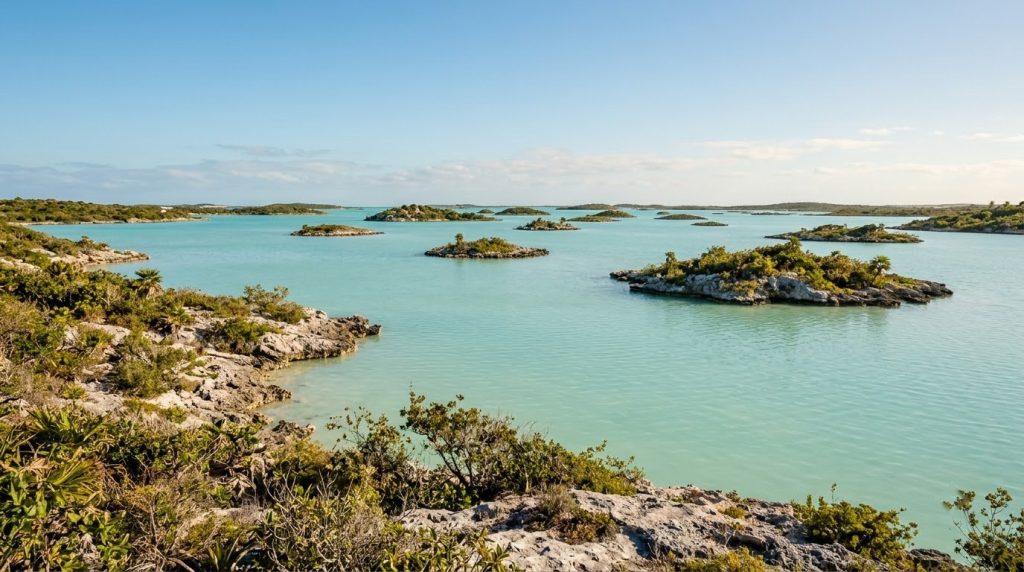
Beach days are best from February through May. Chalk Sound National Park, with its shallow turquoise lagoon, looks brightest under a high midday sun, which is more reliable in the dry months. Iguana Island runs year-round, and the endangered rock iguanas are active in warm weather.
In late summer, the water is warmest but visibility can drop after storms and rough seas can cancel tours. If you only have one chance, build a flexible day into your schedule so a lost boat day doesn’t wreck the trip.
Frequently Asked Questions
What is the rainiest month in Turks and Caicos?
The wettest stretch generally falls between late summer and autumn, with September and October often the rainiest. Showers tend to be short and heavy rather than all-day. The driest period is roughly February to April, which is why it’s popular with sun seekers.
Is it safe to visit Turks and Caicos during hurricane season?
It can be, with planning. Storms usually come with days of warning, and many trips happen without incident. The highest risk is roughly August to October. Book flexible rates, buy travel insurance early and watch the forecast closely before you fly.
Is Turks and Caicos worth visiting in the off-season?
Yes, if you value savings and quiet beaches over guaranteed weather. Off-season hotel averages can be far below the winter peak, and the islands are much calmer. Expect heat, humidity and a few closed restaurants, especially in September and October.
How far ahead should I book for high season?
For December to April, book flights and lodging three to six months ahead, and earlier for Christmas, New Year and spring break. Shoulder months such as May and November are usually easier to book closer to departure.
What month has the best balance of weather and price?
April is a strong pick. The weather is still dry and warm, crowds thin out after Easter and rates tend to ease from the winter peak. March and early May are close behind if your dates are flexible.
Find your Turks And Caicos hotel on the map
Live prices from Booking, Airbnb and more — move the map or change dates to compare stays across Turks And Caicos.
Final thoughts
For most travelers, the best time to visit Turks and Caicos is February to April, with May and late November as the smart budget picks. If you can handle storm risk and travel flexibly, September and October offer the lowest rates of the year. Pick your priority, whether weather, whales or price, and let that decide your month. Once your dates are set, plan the details with our things to do in Turks and Caicos guide.