Best Time to Visit Banff in 2026: Season-by-Season Guide
Disclosure: Some links in this guide are affiliate links. If you book or buy through them, we may earn a small commission at no extra cost to you — it helps keep our guides free.
- Summer (June to September) is best for hiking and lake color, but it is also the most crowded and expensive stretch of the year.
- Ski season runs roughly November to April, with the core Dec-Mar window the most reliable for snow and the most expensive for hotels.
- Shoulder seasons (late May to early June, September to October) save money: reported rates sit about 30-40% below summer peak.
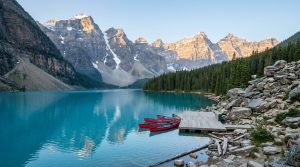
- Moraine Lake road is open only from about June 1 to October, so winter visitors can’t reach it by car.
- Book early for peak months and use the park transit and shuttle options to avoid parking stress at Lake Louise.
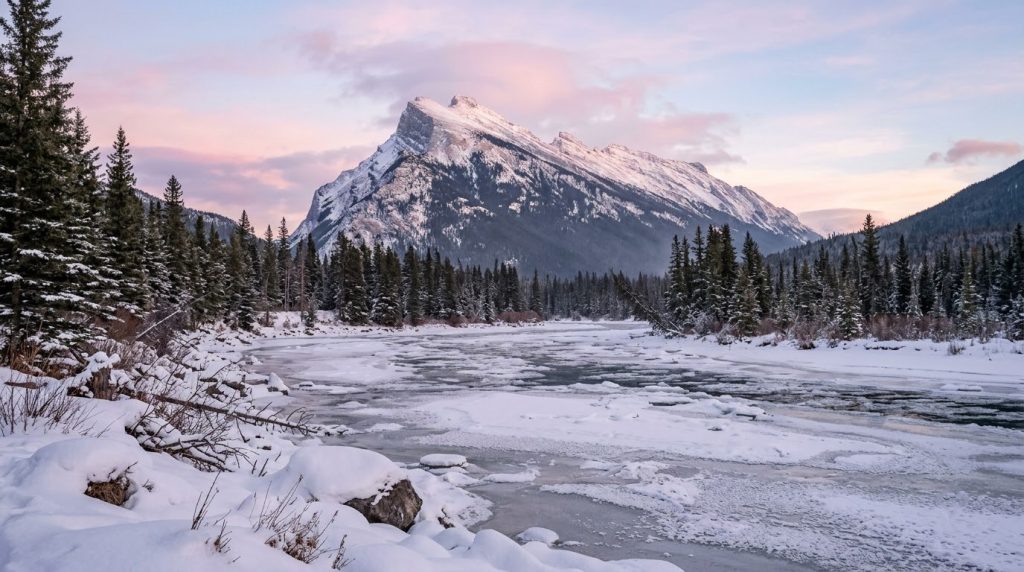
The best time to visit Banff is June through September if you want hiking, open mountain roads, and lakes in full color. Choose December through March for skiing and a snowy village. For the best balance of price and crowds, aim for late May to early June or September into October.
Banff is expensive and busy at both ends of the calendar. Summer and winter are the two peaks, and hotel prices follow. Sources we checked report shoulder-season rates running roughly 30-40% below the summer peak, so the month you pick can change your trip budget more than any other decision.
The first time I planned Banff, I assumed July was the obvious choice and nearly booked it. Then I priced a hotel for the same dates in mid-September and the gap was large enough to cover a rental car for the week. I went in September, got crisp mornings, golden foliage in the valley, and noticeably calmer trails. I’d make that trade again.
When is the best time to visit Banff overall?
The best overall time to visit Banff is September. Parks Canada and most travel guides place peak demand in June to August and again in December to March, which means September sits just outside both crowds and price spikes. Fall is also described by one guide as the best season for mild weather.
You get a few real advantages in early fall. Trails are mostly clear of snow, summer day-trippers have thinned out, and shoulder hotel rates tend to drop. The trade-off is shorter days and a real chance of cold snaps or early snow near the end of the month.
If you can only choose one window, the first three weeks of September give you the most flexibility. If your heart is set on swimming-pool-warm weather, hiking at high elevation, or skiing, read on, because the right month depends on what you want to do.
What does each month in Banff look like?
Banff is a high-elevation mountain town, so the weather is more variable than in most Canadian destinations. Summer days are mild and nights stay cool. Winter is cold and snowy. Spring and fall swing quickly between the two, and snow can fall in almost any month at higher elevations.
The table below summarizes what to expect. Temperatures are rough ranges and conditions change from year to year.
| Month | Typical conditions | Crowds | Prices | Best for |
|---|---|---|---|---|
| January | Cold and snowy, short days | Moderate | High | Skiing, hot springs |
| February | Cold, reliable snow | High | High | Skiing, ice skating |
| March | Cold but longer days, spring skiing | High | High | Skiing with more daylight |
| April | Melting snow, muddy trails | Low | Low | Budget trips, wildlife |
| May | Cool, many lakes still frozen | Low | Low to moderate | Quiet town, cheap stays |
| June | Mild, lakes thawing, Moraine road opens | High | High | Lakes, first hikes |
| July | Warmest month, long days | Very high | Very high | High-country hiking |
| August | Warm, busy, sometimes smoky | Very high | Very high | Hiking, Icefields Parkway |
| September | Crisp, golden foliage | Moderate | Moderate | Hiking, photography |
| October | Cold mornings, first snow | Low | Low to moderate | Quiet trails, wildlife |
| November | Dark, cold, ski areas opening | Low | Low | Budget stays |
| December | Snowy, festive, ski season | High | High | Skiing, holiday atmosphere |
Source: national weather service and operator pricing, 2026
A quick tip: the crowd and price columns reflect general patterns reported across guides. Holiday weekends and school breaks push any month higher, so check local event dates before you book.
Is summer the best time to visit Banff for hiking and lakes?
Summer is the best time for hiking and lake views, with the main window running from June through September. Guides consistently place peak hiking in those months, and the Moraine Lake road is open only from about June 1 into October. Before it opens, you can’t drive to the lake.
Lake color is the headline reason to come in summer. Glacial lakes thaw through June and show their turquoise tones once meltwater carries rock flour into them. July and August are usually the most vivid, though crowds are at their worst.
Here is how I’d approach a summer trip:
- Go early. Parking at Lake Louise is reported to fill up well before 8 a.m., so arrive at sunrise or use shuttles and transit.
- Reserve ahead. Moraine Lake is reached by a Parks Canada shuttle in peak season, with an adult fare reported at roughly CAD 8-12.75 plus a reservation fee. Sources differ, so confirm on the Parks Canada site.
- Book lodging months out. Banff townsite summer rooms run about CAD 250-600 or more per night, and mid-range options sit around CAD 250-400 in July and August.
- Pack layers. Even in July, mornings and high passes can be cold, and rain showers are common.
Wildfire smoke can occasionally affect air quality and views in late summer. It doesn’t happen every year, but it’s worth keeping a flexible plan. For trip ideas once you’re on the ground, our guide to things to do in Banff breaks down the main sights and tours.
When is the best time to visit Banff for skiing?
The best time to ski in Banff is December through March, with the broader ski season running roughly November to April. Sources identify December to March as peak winter demand. One guide suggests March for skiing because the days are longer, though warmer winters can shorten the season in some years.
Banff-area ski hills such as Sunshine Village, Lake Louise Ski Resort, and Mt Norquay typically open in late fall. Exact opening dates depend on snowfall, so check each resort before booking flights.
A few practical points:
- December brings holiday atmosphere and snow-covered streets, but prices jump around the holidays.
- January and February are cold and reliable for snow, with the coldest temperatures of the year.
- March offers longer daylight and often sunnier skiing, though conditions at lower elevations can soften.
- Early and late season (November, April) can be cheaper, but you’re gambling on snow coverage.
Winter isn’t only for skiers. Banff Upper Hot Springs is open year-round, reportedly around CAD 10-15 for a soak, and soaking in cold air is one of the best low-cost winter treats in town. Ice walks in the canyons and frozen-lake skating are other popular cold-weather activities.
What about the shoulder seasons in Banff?
Shoulder seasons are the best value in Banff: late May to early June and September to October are recommended for fewer crowds and lower prices. Reported shoulder rates run 30-40% below summer peak, which can mean hundreds of dollars saved on a week-long stay at a mid-range hotel.
Each shoulder window has its own character:
Late May to early June
Snow is still melting, and some high trails remain closed or icy. Many lakes are still partly frozen, so lake color isn’t at its best. In exchange, the town is calm and rooms are cheaper. Moraine Lake road typically opens around June 1, so late May is too early for that stop.
September to October
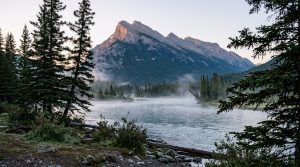
This is the sweet spot for most travelers. Mornings are crisp, afternoons are often mild, and valley foliage turns gold. Larch season arrives in late September, when alpine larch trees turn yellow, though exact timing varies each year. Snow can arrive in October, and the Moraine Lake road closes toward the end of the season.
Money tip: if you’re flexible, book a mid-September weekday stay. You’ll often pay less than a July weekend, and trails will feel noticeably less crowded.
When can you see wildlife in Banff?
Wildlife viewing is possible year-round in Banff, but spring and fall are often the most rewarding. Elk, bighorn sheep, and deer are regularly seen near roads and townsite edges, while bears are most active from spring emergence through fall feeding. Parks Canada asks visitors to keep a safe distance from every animal.
Spring is when bears often descend to lower valleys for early greenery, which makes drives along the Bow Valley and Icefields Parkway productive. Autumn brings the elk rut, when bull elk become loud and territorial, so extra caution is needed around town and trails.
Winter wildlife is quieter but still possible. Elk often linger near the townsite, and sharp-eyed visitors might spot wolves or coyotes along the edges of frozen valleys.
A few safety reminders:
- Carry bear spray on backcountry trails and know how to use it.
- Never approach or feed wildlife.
- Slow down on highways, especially at dawn and dusk.
- Follow all current Parks Canada closures and warnings.
What should you do in Banff in each season?
Each Banff season has a different best use. Summer is for lakes, the Icefields Parkway, and high-country hiking. Fall is for foliage, quiet trails, and wildlife. Winter is for skiing and hot springs. Spring is for budget stays and low-elevation walks. The table below shows what’s open and practical in each.
| Season | Best activities | Watch out for |
|---|---|---|
| Spring (Apr to May) | Johnston Canyon walks, Banff Upper Hot Springs, wildlife drives | Muddy or icy trails, frozen lakes, closed high roads |
| Summer (Jun to Aug) | Moraine Lake and Lake Louise, Icefields Parkway, Columbia Icefield, Lake Minnewanka cruise, Banff Gondola | Crowds, early parking fills, high hotel prices |
| Fall (Sep to Oct) | Foliage, larch hikes, Icefields Parkway, elk viewing | Early snow, shorter days, shuttle and road closures late in October |
| Winter (Nov to Mar) | Skiing, hot springs, Johnston Canyon ice walks, Banff Gondola views | Cold temperatures, Moraine road closed, fuel gaps on remote highways |
Source: Parks Canada and operator listings, 2026
A few of these activities have specific logistics. The Icefields Parkway is a scenic drive past Bow Lake, Peyto Lake, and Crowfoot Glacier. There is no fuel between Lake Louise and Saskatchewan River Crossing, a stretch of about 108 km, so fill up before you go. A park pass is required even if you don’t stop.
The Columbia Icefield glacier snow-coach and Skywalk are sold as separate tickets and are best booked in advance for summer. Winter tours often substitute other stops when Moraine Lake is closed.
How much does a Banff trip cost by season?
Banff is a mid-to-high-cost destination, and the season changes costs more than almost anything else. Summer townsite hotels run roughly CAD 250-600 or more per night. Luxury options such as the Fairmont Banff Springs or Rimrock are reported at CAD 600-900 or more, and Fairmont Chateau Lake Louise at CAD 700-1,200 or more.
Staying outside Banff can help. Canmore is about 20 minutes away and is reported to be cheaper than Banff by anywhere from 20% to 50%, depending on the source. The catch is that you’ll likely need a car. If you prefer to travel car-free, staying in Banff and using local transit to Lake Louise works well. See our guide on where to stay in Banff for area-by-area advice.
Here are a few ways to cut costs:
- Travel in shoulder season. Late May to early June and September to October are the most consistent savings.
- Buy the right park pass. Banff has a daily adult entry fee, reported around CAD 11-12, and a Discovery Pass covers 80+ places for 12 months, reported at roughly CAD 72-84 for 2026. If you’re staying several days or visiting more parks, the annual pass can pay for itself. Prices vary by source, so check the Parks Canada site.
- Skip add-ons you don’t need. Gondola, cruise, and snow-coach tickets are often sold separately from tours.
- Compare group tours with a rental car. Group day tours are reported at roughly USD 56-149 per person, depending on date and itinerary.
- Visit midweek. Weekday rates are usually lower than weekends in any season.
All prices here are approximate and change often, so confirm current rates before you book.
Find your Banff hotel on the map
Live prices from Booking, Airbnb and more — move the map or change dates to compare stays across Banff.
Frequently Asked Questions
What is the cheapest time to visit Banff?
The cheapest times are generally late April to May and November, outside the holiday weeks. Shoulder periods in general are reported to run 30-40% below summer peak. The trade-off is limited access, since lakes may be frozen and some roads or trails closed.
When does Moraine Lake open?
The Moraine Lake road typically opens around June 1 and stays open until about October, depending on snow. In peak season, access is by a Parks Canada shuttle with a reservation. Check the Parks Canada site for current dates and fees before you plan.
When is larch season in Banff?
Larch season is generally in late September, when alpine larch trees turn gold. Exact timing changes each year with weather and elevation. Plan flexible dates around the last week of September and watch current trail reports before you commit.
Is Banff worth visiting in winter?
Yes, if you enjoy skiing, hot springs, and snowy mountain scenery. December to March is peak season, so expect higher prices and more visitors, but also the most reliable snow. Just remember that Moraine Lake is not reachable by road in winter.
How many days do you need in Banff?
Three to four days covers the main highlights: Lake Louise, Moraine Lake, Johnston Canyon, the gondola, and a hot springs soak. Add a day or two if you plan to drive the Icefields Parkway or want time on the ski hills. A longer stay also gives you backup days for bad weather.
For most travelers, September gives the best mix of weather, crowds, and price, while July suits those who want the lakes at their brightest and don’t mind paying for it. Skiers should target January through March. Whichever month you choose, book lodging early, start your days before sunrise at the popular spots, and confirm current road and shuttle status with Parks Canada.