Best Time to Visit Maui in 2026: Seasons, Prices and Whales
Disclosure: Some links in this guide are affiliate links. If you book or buy through them, we may earn a small commission at no extra cost to you — it helps keep our guides free.
- Best value months: April-May and September-November usually bring lower lodging rates and thinner crowds, with May and November often cited as the cheapest.
- Whale season: humpbacks are around from December to April or May, with January to March the peak and February often called the best month.
- Dry vs wet: the south and west coasts (Wailea, Kihei, Kaanapali) stay sunny year-round, while Hana and the north shore get the rain.
- Surf: big swells hit the north shore in winter; summer flips the script and calms those beaches.
- Haleakala: sunrise needs an advance reservation, can be booked up to 60 days ahead, and feels near freezing at the summit in any month.
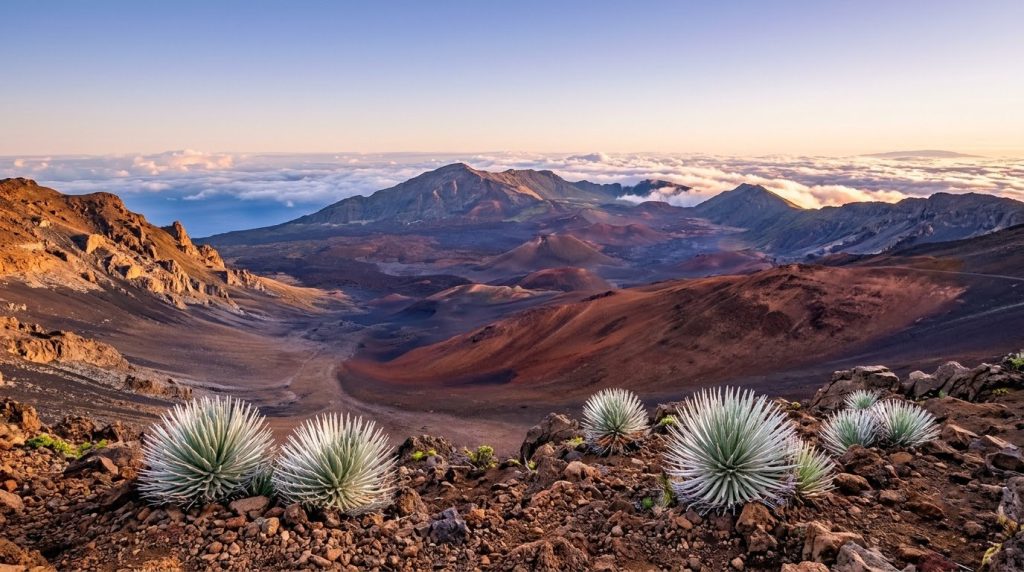
The best time to visit Maui for most travelers is April through May or September through early November. You get dry, sunny weather on the resort coasts, smaller crowds than winter or summer vacation weeks, and noticeably lower hotel and car rental rates. If humpback whales are your priority, go from January to March instead and pay more for it.
Maui doesn’t have four seasons. It has a drier, hotter stretch (roughly April to October) and a wetter, cooler one (roughly November to March), plus two price peaks that matter more to your wallet than the weather does. This guide breaks down each season, the whale and surf calendar, Haleakala sunrise conditions, and when to book to keep costs down.
On a November trip we paid far less for a Kihei condo than friends who went over New Year, and we still got beach days on seven of eight mornings. The rain showed up mostly as quick passing showers on the Hana side. The one thing I’d change is booking the Haleakala sunrise slot earlier, because the good dates were gone by the time we looked.
What is the best time to visit Maui overall?
April through May and September through November are the best overall windows for Maui. Hawaii’s state tourism office tracks monthly visitor arrivals, and winter and summer school-holiday periods consistently bring the heaviest traffic (Hawaii Tourism Authority, 2026). Shoulder months give you the same beaches with fewer people and better rates.
Here is how I’d rank the year if you’re flexible:
- Best balance of weather and price: late April, May, September, October.
- Best for whales and cooler air: late January through March, with higher prices.
- Best for deals: November (before Thanksgiving week) and early December.
- Hardest on the budget: the last two weeks of December, the first days of January, and mid-July to mid-August.
Remember that Maui is a small island with big microclimates. A “bad weather” week in the forecast usually means rain in one corner, not a washed-out trip. If you’re deciding where to base yourself for the conditions you want, our guide on where to stay in Maui matches each area to the season.
| Season | Months | Weather snapshot | Best for | Main drawback |
|---|---|---|---|---|
| Dry / summer | May to Sept | Sunny, warmer, trade winds, calm west and south shores | Snorkeling, beach days, Molokini, north shore swimming | Summer school-holiday crowds in July and August |
| Wet / winter | Nov to March | Cooler, more showers, especially windward side | Whale watching, big-wave viewing, lower humidity hikes | Higher prices Dec to March, rougher north shore water |
| Spring shoulder | April to early June | Mostly dry, mild, fewer visitors | Value, Road to Hana, hiking | Last whales leaving in April and May |
| Fall shoulder | Sept to early Nov | Warm ocean, settled weather | Snorkeling, lower rates, quieter beaches | Hurricane season technically runs through November |
Source: National Weather Service Honolulu and Hawaii tourism board seasonal summaries, 2026
When is the dry season and the wet season in Maui?
Maui’s drier season runs roughly April through October, and the wetter season runs roughly November through March. The National Weather Service Honolulu office describes the islands as having just two seasons, a warmer, drier “kau” and a cooler, wetter “hooilo” (National Weather Service, 2026). Rain varies hugely by location, though, even in the wet months.
On the leeward coast, Wailea, Kihei, Kaanapali and Kapalua see only light rainfall most of the year. Even in January you can expect sunshine on many days there, with occasional storms rolling through. The windward side is different. Hana, Haiku and the rainforest stretches of the Road to Hana stay green because they catch trade-wind showers in every month, and winter storms can push heavier rain onto them.
Is Maui rainy in winter?
Winter brings more rain, but it’s rarely constant. Kona storms, which are low-pressure systems that blow from the south, can dump rain on the usually dry resort coasts for a couple of days. We’ve found that a flexible schedule is the best defense. Keep one or two “open” days in your plan, and leave your Hana drive for a settled forecast. A morning with clouds often clears by lunch.
What about hurricane season?
The Central Pacific hurricane season officially runs June through November. Direct hits on Maui are rare, but storm remnants and distant hurricanes can send big surf and high winds. Check your lodging and airline cancellation terms, and watch the forecast in the week before you fly. Travel insurance that covers weather delays is worth pricing out if you’re traveling in late summer or fall.
When can you see humpback whales in Maui?
Humpback whales are in Maui waters from about December through April or May, with the peak from January to March. Travel guides such as Lonely Planet put the main season at December to March, while many local operators say February is the optimal month (Lonely Planet, 2026). The whales migrate from Alaska to breed and calve in the warm, shallow channel.
You can see spouts and breaches from shore at spots such as the Wailea coastal walk, the Lahaina and Kaanapali shoreline, and the Maalaea harbor area. For a closer look, a two-hour catamaran trip from Maalaea Harbor starts at roughly $50 per adult, and sails from Kaanapali run closer to $113 (operator pricing, 2026). Book morning departures, since winds are usually calmer.
A few tips that save money and frustration:
- Go mid-week. Boats fill up on weekends and holidays.
- Choose a smaller, shorter trip if you’re on a budget; the whales do the same thing whether the boat is big or small.
- Try shore watching first. Binoculars and a patient hour on a coastal path cost nothing.
- Plan around peak months: if whales are your only reason to come, February offers the best odds, but it’s also when rates rise.
For more on the activity itself and how it fits into a full itinerary, see our roundup of things to do in Maui.
What are the Maui price and crowd seasons?
Maui has two high-price periods: roughly mid-December through March, and the summer school break from mid-June through August. Holidays and New Year weeks are the busiest and most expensive of all. May and November are typically cited as having lower accommodation rates (Lonely Planet, 2026). Lahaina-Kaanapali-Kapalua hotel occupancy topped 76% in February 2026 (Hawaii Tourism Authority, 2026).
Those occupancy figures show why the winter premium exists. In 2026, arrivals to the area were also up compared with the prior year, so popular weeks are selling out earlier than in the past. Our rule of thumb: if your dates touch a holiday, book flights, lodging and the rental car as soon as you can, because Maui’s car supply can get tight.
| Period | Crowds | Hotel and condo rates | Car rental and flights | Notes |
|---|---|---|---|---|
| Mid-Dec to early Jan | Very high | Highest of the year | Highest | Book far ahead; holiday minimum stays are common |
| Jan to March | High | High | High | Peak whale season; some mid-week deals |
| April to early June | Moderate to low | Moderate, falling | Moderate | Strong value; spring break weeks are busier |
| Mid-June to Aug | High | High | High | Family travel; calmest north shore water |
| Sept to Oct | Low | Lower | Lower | Warm ocean, quieter beaches |
| Nov (before Thanksgiving) | Low | Often lowest | Lower | Cheaper stretch, but some rain and early surf |
Source: Hawaii tourism board seasonal trends and operator pricing, 2026. Rates are relative and change often.
How can you save money on a Maui trip?
The simplest saving is moving your dates by two to three weeks. A Maui week in mid-May usually costs notably less than the same week in March. Beyond timing, a condo with a kitchen cuts food costs, and a stay in Kihei is generally gentler on the budget than Wailea or Kaanapali beachfront. Pack reef-safe sunscreen and a cooler so you don’t pay resort markups for basics.
Is winter or summer better for Maui’s beaches and surf?
Summer is better for calm water on the north shore, and winter is better for big-wave watching. In winter, Pacific swells from distant storms roll onto north-facing coasts, creating powerful surf at breaks such as Ho’okipa and Jaws (Peahi), often drawing professional surfers. In summer, those north-facing beaches calm down and the south shore picks up gentler swell (National Weather Service, 2026).
For visitors this means beach selection changes with the season:
- Winter (November to March): swim and snorkel on the south and west coasts, such as Wailea, Kaanapali and Kapalua Bay. Treat north-facing beaches with great caution. Heed lifeguard flags and posted warnings.
- Summer (May to September): the north shore can be calm enough for swimming and snorkeling at spots such as Honolua Bay on good days. South shore beaches may see more surf, but typically far less than the north does in winter.
Molokini and Turtle Town snorkel trips depart from Maalaea Harbor, and morning departures around 6:45 am are the standard way to beat the wind. A five-hour catamaran snorkel tour with meals runs about $160, with shorter trips at roughly $149 to $194 (operator pricing, 2026). Water clarity tends to be best in calm, dry months, so late spring through fall can produce the clearest snorkeling.
What is the best time for Haleakala sunrise and the Road to Hana?
Haleakala sunrise works year-round, but you’ll need an advance reservation, which can be booked up to 60 days ahead, and warm layers every month. The summit sits at 10,023 feet, where temperatures hover near freezing before dawn (National Park Service, 2026). Cloud cover is the real wildcard, since low clouds can hide the view in any season.
Sources conflict on the park entrance fee, so check the National Park Service website for the current amount before you go. A guided sunrise tour with hotel pickup starts at about $236 (operator pricing, 2026), which often makes sense if you don’t want to drive winding roads at 2 am.
When should you drive the Road to Hana?
The Road to Hana is a year-round drive, but drier months make the narrow, curvy road and waterfall stops more comfortable. Start before 7 am whatever the season, because traffic and parking fill up fast later. Waianapanapa Black Sand Beach requires its own separate reservation. A full-day guided Hana tour runs about $219 for roughly eight hours (operator pricing, 2026), and some include the Waianapanapa entry.
After heavy winter rain, check road conditions and waterfall safety. Streams can rise fast, and flash floods are a real hazard on the windward side.
What should you know about Lahaina and recent changes?
Lahaina is open to visitors, but Front Street, Banyan Tree Park and the burn zone remain closed during rebuilding, and the county asks visitors not to drive through or photograph the burn zone. Kaanapali, Kapalua, Napili and Honokowai are fully open (Maui County, 2026). Check current access before you plan a day around Lahaina.
This matters for timing because the Lahaina-Kaanapali-Kapalua corridor is busy in winter, when hotel occupancy climbs. Visiting in shoulder months gives you more breathing room, and your spending directly supports local businesses that are working to recover. Also verify the status of attractions such as Iao Valley, where closures and reservation rules for out-of-state visitors have been reported and can change. Our things to do in Maui guide covers current practicalities.
Which month should you choose for your travel style?
Pick your month by priority. Couples seeking whales and romance fit January to March, budget travelers fit May, September and November, and snorkelers or families fit late spring and summer. Hawaii’s visitor statistics show the islands draw millions of arrivals each year, so choosing off-peak dates is the easiest way to avoid the busiest weeks (Hawaii Tourism Authority, 2026).
Month by month in brief
- January to March: whales at their peak, cooler air, bigger north shore surf, high prices. Great for hikers who like cooler temperatures.
- April and May: fewer whales, drier skies, falling rates. In my view, late April through May is the sweet spot.
- June to August: hot, sunny and calm on the north shore, but crowded and pricier during school vacations.
- September and October: warm ocean, light crowds and some of the year’s better deals.
- November: typically lower accommodation rates, though rainfall and early-season surf start to pick up. Avoid Thanksgiving week if you’re counting dollars.
- December: early December is a bargain, and the second half is the most expensive stretch of the year.
If you need a base that matches your month, compare areas in our where to stay in Maui guide. South and west resort areas suit winter, while the north and east sides suit calm summer days.
Find your Maui hotel on the map
Live prices from Booking, Airbnb and more — move the map or change dates to compare stays across Maui.
Frequently Asked Questions
What is the cheapest month to visit Maui?
May and November are typically the cheapest months for Maui accommodations, according to travel guides such as Lonely Planet. Early December and September to October can also be good value. Avoid holidays, because Thanksgiving week and the last two weeks of December carry higher rates and minimum stays.
What is the rainiest month in Maui?
The wetter season runs roughly November through March, with winter storms bringing the heaviest rain, especially on the windward side near Hana. The leeward resort areas such as Wailea and Kaanapali stay much drier. Specific rainfall varies by location, so check the National Weather Service forecast before you travel.
When is whale watching season in Maui?
Whale season runs from about December to April or May. January through March is the peak, and February is often called the best month. A two-hour catamaran trip from Maalaea Harbor costs about $50, and you can spot whales from shore at many coastal viewpoints too.
Is it worth visiting Maui in the hurricane season?
Yes, many travelers visit in summer and fall without trouble, since direct hurricane hits are rare. The official season runs June through November. Watch forecasts a week before departure, and read the cancellation terms on flights and lodging so you aren’t stuck if a storm approaches.
How far ahead should I book the Haleakala sunrise?
Reservations open up to 60 days ahead, and sunrise slots can sell out, especially in busy winter and summer weeks. Check the National Park Service site as soon as your dates are set. Dress warmly, since the 10,023-foot summit is near freezing before dawn.
Maui rewards flexibility more than perfect timing. Aim for late April through May or September through early November if you want sunshine and lower prices, and choose January through March only if whales are the point. Book the Haleakala slot early, keep a rain-day buffer, and your dates will matter far less than your planning.