Things to Do in Maui in 2026: 8 Best Activities and Savings Tips
Disclosure: Some links in this guide are affiliate links. If you book or buy through them, we may earn a small commission at no extra cost to you — it helps keep our guides free.
- Reserve ahead: Haleakala sunrise needs an advance reservation, bookable up to 60 days out, and Waianapanapa Black Sand Beach on the Hana road needs its own.
- Start early: Hana drives work best when you leave before 7 am, and Molokini boats typically depart around 6:45 am.
- Budget guide: Operator pricing in 2026 runs roughly $219 for a guided Hana day, $160 for a Molokini cruise, and $50 for a whale watch.
- Whale season: Humpbacks arrive from about December to April, peaking from January to March.
- Confirm fees: Sources disagree on the Haleakala vehicle fee ($1 versus $30 per car), so check the National Park Service site before you go.
At a glance
| Attraction | Entry | Hours | Time needed |
|---|---|---|---|
| Road to Hana (guided) | about $219 | 8-10 hours | |
| Haleakala sunrise (guided) | about $236 | 6-8 hours | |
| Molokini and Turtle Town | about $160 | 5-5.5 hours | |
| Whale watch from Maalaea | about $50 | 2 hours | |
| Wailea or Kaanapali beach day | Free (plus parking) | Half day |
The best things to do in Maui are the Road to Hana, a Haleakala summit sunrise, snorkeling at Molokini, whale watching in winter, a luau, the beaches of Wailea and Kaanapali, Iao Valley, and a respectful visit to Lahaina. Most of them need a rental car and an early alarm. Several also need advance reservations.
The island rewards planning more than almost any other US destination. Sunrise permits, park reservations, and boat departures all fill early, and prices climb fast when you book late. Below you’ll find realistic durations, approximate costs, and the tricks we use to keep a Maui week from wrecking the budget. For lodging, see our guide on where to stay in Maui.
Travelers who try to do Hana and the Haleakala sunrise on back-to-back days often end up exhausted and short on time at both. By the second night we were wiped out and cranky. We’ve since learned to put one slow beach day between the big early starts. Our rental car also never needed more than a half tank for the whole week, because most sights cluster on a few short loops.
What are the best things to do in Maui?
The best things to do in Maui combine big scenery with ocean time, and most visitors fit six to eight of them into a week. Hana, Haleakala, and Molokini are the headline experiences. Beaches, a luau, and a whale watch fill the gaps. Prices below are approximate and change by season, so check current rates.
1. Drive the Road to Hana
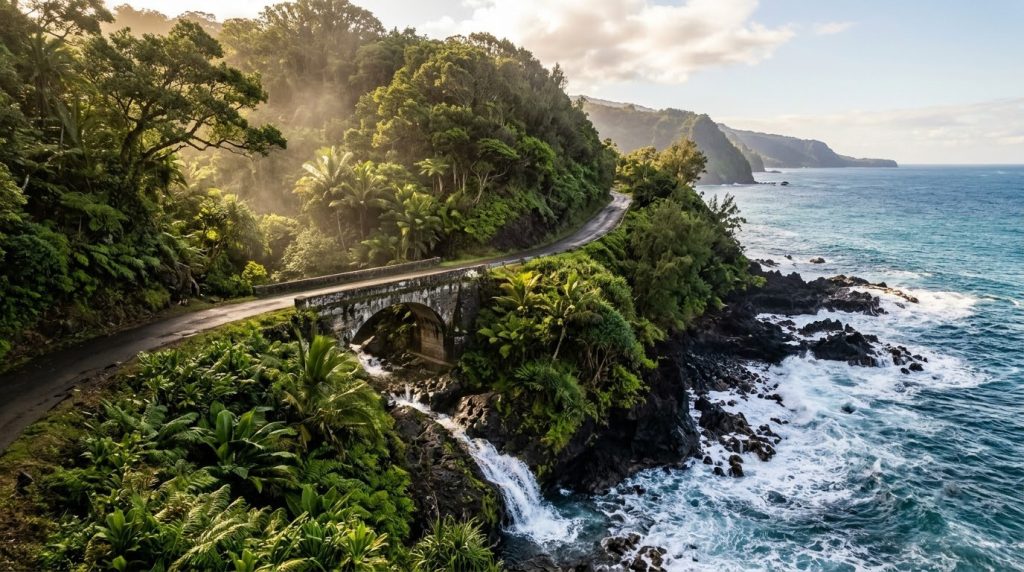
The Road to Hana is a full-day drive along Maui’s windward coast, with waterfalls, roadside stands, and dozens of one-lane bridges. Plan on 10 to 12 hours round trip including stops. Start before 7 am to beat tour vans and parking crunches at the popular pullouts.
You have two choices. Drive yourself and pay only for gas, food, and any parking fees, or join a guided van tour. Guided Hana days run about $219 for an 8-hour version, with longer 10-hour options that include meals. If winding roads make you queasy, the guided route is worth the money.
Waianapanapa Black Sand Beach needs its own reservation, so book it before you leave. Some guided tours include it. Bring cash for fruit and banana bread stands, rain gear, and a downloaded offline map, because cell service drops out in places. Hana suits confident drivers and anyone who enjoys the journey more than a single destination.
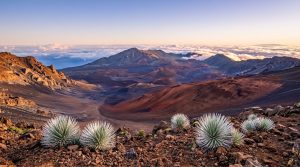
2. Watch the Sunrise from Haleakala
Haleakala’s summit sunrise is one of the island’s most memorable experiences, and it requires an advance reservation. Reservations open up to 60 days ahead and sell out for popular dates. Expect a pre-dawn drive of about 90 minutes to two hours from the main resort areas, so you’ll leave in the middle of the night.
Dress warmly. The summit sits above 10,000 feet, and temperatures can approach freezing before sunrise, even when the beaches are balmy. Bring a hat, gloves, and a blanket. Allow time at the top, then consider staying for a short crater walk once the sun is up.
Park entry cost is where sources conflict, with figures ranging from $1 to $30 per vehicle depending on what’s counted. Confirm the current fee and reservation rules on the National Park Service website before you book. A guided sunrise tour runs roughly $236 and removes the driving, which helps if you’re tired or traveling alone. It’s best for early risers and photographers.
3. Snorkel at Molokini and Turtle Town
Molokini is a crescent-shaped volcanic crater off Maui’s south coast, and it’s the island’s classic snorkel trip. Catamarans leave from Maalaea Harbor, often around 6:45 am, because winds usually build later in the morning. Most trips pair Molokini with a second stop at Turtle Town.
Expect to pay about $160 for a 5 to 5.5 hour cruise with meals, and roughly $149 to $194 for shorter or fancier options. Equipment is usually included. Ask whether the trip includes breakfast and lunch, since that can save you a meal out.
Keep your distance from turtles. Hawaii guidance asks visitors to stay at least 10 feet away, and touching them is illegal. Use reef-safe, mineral sunscreen, since Hawaii restricts some chemical sunscreen ingredients. This trip suits confident swimmers, families with older kids, and anyone who wants a full morning on the water.
4. Go Whale Watching (December to April)
Humpback whale season runs roughly from December through April, sometimes into May, with peak sightings between January and March. Some operators say February is the best single month. If you visit in winter, this is the easiest high-value activity you can add.
A standard two-hour catamaran trip from Maalaea Harbor costs about $50. A longer sail from Kaanapali can run closer to $113. Book the earlier, cheaper departure and sit on the shaded side if possible. Many operators also offer a refund or rebooking if no whales appear, so ask before you pay.
You can often spot whales from shore, too. Wailea and the Lahaina-to-Kaanapali coast are common vantage points. Federal rules require boats and swimmers to stay at least 100 yards from humpbacks. For timing across the whole year, see the best time to visit Maui.
5. Attend a Luau
A luau combines a Hawaiian buffet or plated dinner with music, hula, and storytelling. Myths of Maui at the Royal Lahaina Resort in Kaanapali is a long-running option, lasting about two and a half hours. Kihei also has smaller luaus, including Gilligan’s Island, which tend to feel more casual.
Prices vary by seating tier and season, and we couldn’t confirm current ticket rates, so check directly with the operator. Luaus usually cost more per person than a standard dinner out, which is why we book just one per trip. Choose a show that emphasizes Hawaiian culture and local performers rather than the biggest buffet.
6. Spend Time on Wailea and Kaanapali Beaches
Wailea and Kaanapali are Maui’s two best-known resort beach areas, and both have public access. Hawaii law keeps beaches open to everyone, so you don’t need a hotel booking to swim. Wailea is generally sunny and calm, with a series of crescent beaches along the south shore. Kaanapali has a long stretch of sand on the west side, with Black Rock at the north end for easy snorkeling.
Parking is the main hurdle. Arrive early, look for signed public access lots, and bring your own towels and snacks. A beach day costs almost nothing, so it’s the best way to balance pricey excursions.
Both areas work well for families and couples. Winter surf can be strong on some beaches, so check conditions, and never turn your back on the ocean.
7. Walk Iao Valley State Monument
Iao Valley is a lush, rainy valley above Wailuku, best known for the Iao Needle, a green spire rising roughly 1,200 feet from the valley floor. A short paved path leads to viewpoints, so it’s an easy stop of about one to two hours. It’s a fit for almost any age and fitness level.
Check the official state parks website before you go. A closure for repairs was reported earlier in 2026, and reservation rules for out-of-state visitors have also been reported. Details have changed, so confirm current access and fees rather than relying on anything printed here. Go early to avoid afternoon rain and crowds, and bring a light jacket.
8. Visit Lahaina Respectfully
Lahaina is open to visitors again, but it’s still a community in recovery after the August 2023 fire. Treat it as a place where people live and work, not as a sightseeing stop. Front Street, Banyan Tree Park, and the burn zone have been closed under rebuilding, though some surrounding streets have reopened. Check the latest status before you go.
The county asks visitors not to drive through or photograph the burn zone. Please follow that request. Spend your money at open local shops, restaurants, and farmers’ markets, and follow all posted signs. If you’re unsure whether an area is open, skip it and head to Kaanapali instead. A quiet, short visit is better than a long one.
Haleakala sunrise: reservation rules and the park fee
The National Park Service page for Haleakala settles the fee question: the entrance fee is USD 30 per private vehicle, valid for three days and covering everyone in the car. Walking or cycling in costs USD 15 per person, with youth 15 and under free. The page was last updated in December 2025, so confirm the figure before you travel.
The sunrise reservation is a separate requirement for entering between 3:00 AM and 7:00 AM. The park spells out how it works:
- Tickets open up to 60 days ahead at 7:00 AM Hawaii time on recreation.gov, and each is valid only for the day reserved.
- A portion of each day’s reservations is released 48 hours in advance, which helps if you missed the 60-day window.
- You can buy one sunrise reservation per three-day period.
- Reservations are not refunded or exchanged for bad weather.
- Bring the confirmation, a valid ID, and your park pass.
Calling or visiting the park will not get you a reservation. Plan for the drive as well. The road has no streetlights or guardrails, and it takes about 30 minutes from the entrance gate to the summit. The park sells no food, clothing, or gas, so fill the tank and pack snacks the day before.
The park describes pre-dawn conditions as regularly wet, windy, and below freezing. If the main viewing area is full or the weather is poor, the Leleiwi and Kalahaku overlooks offer a quieter alternative. The mountain is sacred to Native Hawaiians, so respect any cultural practices you see.
Driving on Maui: Hana Highway and the west side
Most of the island’s best activities are connected by two roads. The Hana Highway has hairpin curves and narrow bridges, and Paia is only four miles into the drive from Kahului, where the island’s main airport sits. After Paia, the road slows quickly, so budget extra time rather than counting miles.
The Honoapiilani Highway runs north from Maalaea, past the Maui Ocean Center, and through the West Maui resort area. That corridor serves Kaanapali, the Lahaina area, and the luau venues, as well as the harbor departures for boat trips.
- Fill the tank before you leave the main towns, and download an offline map.
- Let faster drivers pass at pullouts on the Hana road.
- Molokini is a State Marine Life and Bird Conservation District, so follow the boat crew’s rules about where you can swim and anchor.
If you dislike mountain driving, the guided Hana option covered above is the lower-stress choice.
Upcountry Maui: a cooler day of farms, coffee, and glass
Upcountry sits on the slopes of Haleakala and runs cooler than the beaches. It makes a good low-effort day between the early-start excursions, especially for travelers who want food and scenery without a boat or a long drive. One magazine day plan strings together a handful of stops around Kula.
- Grandma’s Coffee House: A fourth-generation family cafe founded in 1918, serving locally grown and roasted coffee and made-to-order breakfast.
- Ali’i Kula Lavender: A 13.5-acre working farm with 45 lavender varieties, walking tours, and a gift shop. A magazine guide reported admission of about USD 3, so bring cash and confirm before you go.
- Kula Bistro: A homestyle spot with Italian-influenced dishes, about 10 minutes from the lavender farm.
- Worcester Glassworks: A family glass-blowing studio with a small gallery.
- Surfing Goat Dairy: About 188 goats on 42 acres, with daily cheese-making and tours that include feeding and milking.
How to fit it in
The drive up is scenic on its own, with cooler air and winding roads. Opening hours are not listed in that guide, so check each business before you go. Tedeschi Vineyards in Ulupalakua is reported to offer free daily tours.
The easiest pairing is the afternoon after a Haleakala sunrise, when you will want a slow day anyway.
A seven-day Maui pace with the big days spread out
Three activities need early starts: Molokini, Haleakala, and Hana. Do not stack them on consecutive days, and put a free beach day between each.
- Day 1: Arrive and take a Wailea or Kaanapali beach afternoon.
- Day 2: Molokini and Turtle Town, with a departure around 6:45 AM from Maalaea Harbor.
- Day 3: A beach day, followed by a short Iao Valley visit in the morning before afternoon rain, if the park is open.
- Day 4: Haleakala sunrise, with a reservation booked in advance, then a nap and a quiet afternoon.
- Day 5: A slow beach day or a whale watch from December to April.
- Day 6: The Road to Hana, leaving before 7 AM, with a Waianapanapa reservation in hand.
- Day 7: A luau in the evening, and a quiet, respectful stop in Lahaina if it is open.
Book the Haleakala and Waianapanapa reservations first, since they are the only items you cannot improvise. Boats and luaus can usually be added closer to the date.
Makena State Park: Big Beach fees, hours, and hazards
Makena State Park on the south shore holds Oneloa (Big Beach) and Oneuli (Black Sand Beach), plus Pu’u Olai (Little Beach). It is one of the island’s best-known beach stops, and it is no longer free for out-of-state visitors.
Nonresident costs from the state parks page
- Entry: USD 5 per person, with children 3 and under free.
- Parking: USD 10 per non-commercial vehicle, paid at kiosks on arrival or online.
- Commercial vehicles: USD 25 for 1 to 7 passengers, USD 50 for 8 to 25, and USD 90 for more than 25.
For a family of four in one car, that adds up to USD 30 for the visit. Fees apply to nonresidents, and rules can change, so check the state parks site on the day.
Hours and safety
Big Beach and Black Sand Beach are open daily from 5 AM to 7 PM, with a closing time of 7:45 PM in May, June, and July. Little Beach follows the same weekday hours but closes at 4 PM on Saturday and Sunday.
The page warns that shore break can be very dangerous, and it lists no drinking water, so bring your own. Watch the waves before anyone enters the water, and never turn your back on them.
Beyond Hana Town: Kipahulu, Waianapanapa, and the Loop Question
The Hana Highway runs about 56 miles, and a travel wiki says one way can take up to three hours, or about 90 minutes if you leave early.
Waianapanapa State Park is about 52.8 miles from Kahului Airport, roughly a three-hour drive. The park has a black sand beach, a sea arch, sea caves, and a small blowhole, and it needs the separate reservation mentioned earlier.
Kipahulu District
Kipahulu sits 12 miles past Hana town and belongs to Haleakala National Park. The Pools of Oheo, often called the Seven Sacred Pools, are not open for entry because of safety concerns, and swimming is not permitted. You can view them from the Kuloa Point Trail.
The park says flash floods and sudden rockfall can happen at any time, and wading in streams is not recommended. Emergency medical help is at least an hour away, and there is no gas or food in the park. Fill the tank and pack lunch before you go.
Driving the full loop
Many rental companies discourage driving the full loop around the island past Hana, and one source says some contracts are voided if you do. Read the agreement first.
Overnight in Hana is a common way to split the drive into two days. On the road, pull over for locals commuting, take corners slowly, and watch for oncoming traffic.
How much do the main Maui activities cost?
Most big Maui experiences land between $50 and $240 per person, and guided Hana or Haleakala days sit at the top of that range. Operator pricing in 2026 shows how quickly costs add up. A family of four can spend over $1,000 on three excursions without trying.
| Activity | Typical time | Approx. cost per person | Best season |
|---|---|---|---|
| Road to Hana (guided) | 8-10 hours | about $219 | Year-round |
| Haleakala sunrise (guided) | 6-8 hours | about $236 | Year-round |
| Molokini and Turtle Town | 5-5.5 hours | about $160 | Year-round |
| Whale watch from Maalaea | 2 hours | about $50 | Dec-Apr |
| Wailea or Kaanapali beach day | Half day | Free (plus parking) | Year-round |
Source: operator pricing, 2026. Approximate figures that change by date and season.
Prices swing with demand, so check current rates for your dates. Self-driving Hana or Haleakala drops the per-person cost sharply, but you still pay for the rental car, gas, and parking.
Maui Ocean Center: a wet-day or windy-day swap
When surf is high, wind makes boat trips rough, or a front brings rain, the Maui Ocean Center in Maalaea is the standard indoor swap. It is open daily from 9 AM to 5 PM, with last entry at 4 PM. Plan 2 to 3 hours, including the dome-style sphere experience.
Exhibits include the Humpbacks of Hawaii exhibit and sphere, Turtle Lagoon, the Living Reef, and the Open Ocean. The site lists add-on experiences such as a shark dive, a behind-the-scenes tour, and snorkeling. Part of the center is outdoors, so bring an umbrella or raincoat.
Booking and parking
The official page does not show ticket prices on its visit page, so check the tickets page for current rates. It recommends booking ahead, and parking is paid on site. Maalaea is also the harbor for the Molokini and whale-watch departures mentioned above, so it fits easily into a day that has a cancelled boat trip.
The center pairs well with a late lunch in Kihei and an afternoon at a calmer beach.
How can you save money on Maui activities?
Smart planning can cut a Maui activity budget by a third or more, mostly by choosing which excursions to pay for. Your biggest savings come from skipping duplicates and self-driving where it’s safe. Hawaii tourism data shows demand stays high, so we recommend booking limited items early and leaving the rest flexible.
| Where to spend | Where to save |
|---|---|
| Molokini cruise with meals included | Free public beaches in Wailea and Kaanapali |
| One guided day if you dislike mountain driving | Self-drive Hana with a packed cooler |
| Early-morning whale watch in peak season | Whale spotting from shore |
| One well-reviewed luau | Local plate lunches and farmers’ markets |
Source: national tourism board and operator pricing, 2026.
Here are the tips that work best for us:
- Pick one paid cruise. Choose Molokini or a whale watch in season, rather than both on the same day.
- Pack food and water. Grocery stores in Kahului cost far less than resort shops.
- Travel in shoulder months. May and November typically bring lower accommodation rates than holiday peaks.
- Book permits early. Haleakala and Waianapanapa reservations are the ones you can’t improvise.
- Mix paid and free days. Alternate big excursions with beach days.
Entry costs at a glance for out-of-state visitors
Several Maui stops charge fees that residents do not pay. This table collects the figures reported in this guide and the state parks page, so you can see which days will add up. Confirm any number before you go, since parks and operators revise rates.
| Stop | Reported cost | Note |
|---|---|---|
| Haleakala National Park | USD 30 per private vehicle, valid three days | Sunrise entry needs a separate reservation |
| Makena State Park | USD 5 per person plus USD 10 per vehicle | Nonresident rates, children 3 and under free |
| Ali’i Kula Lavender | About USD 3 per person | Magazine-reported, bring cash |
| Tedeschi Vineyards tours | Free daily tours reported | Check current schedule |
| Wailea and Kaanapali beaches | Free | Parking can be limited |
How to use it
Group paid stops on the days you already drive far. A Haleakala day can include the park fee, an Upcountry lunch, and the lavender farm for little extra cost. A south shore day can combine Makena with a Wailea beach stroll.
Skip paying twice in one day by choosing either Makena or a resort beach rather than both.
When is the best time to visit for these activities?
Winter suits whale watching, while spring and fall often bring lower prices. The humpback season generally runs December to April, and holidays and New Year are very busy. Hotel occupancy in the Lahaina-Kaanapali-Kapalua area topped 76% in February 2026, according to state tourism reporting, so book early for winter.
Haleakala and Hana work year-round, though weather varies. Pack layers for the summit and rain gear for the east side. Our best time to visit Maui guide breaks this down by month, and it’s worth reading before you lock in flights.
Smaller Extras: Paia, Makawao, the Lanai Ferry, and Leaving Maui
A few low-key stops fill the gaps between the big excursions.
- Paia: A small town with galleries, restaurants, and beaches known for windsurfing and surfing. It sits only four miles into the Hana drive, so it works as a breakfast stop on the way out.
- Makawao: An Upcountry town that was once a ranch town, now known for shopping, dining, and art. Mountain bike trails run through Makawao State Forest.
- Lanai ferry: A wiki lists five trips daily, about 45 minutes each way, at around USD 25 per person per direction. Check the operator for current times and prices.
- Farmers’ markets: Roadside stands sell banana bread, coconut candy, smoothies, and seasonal fruit, which is a cheap alternative to restaurant meals.
Marine and health rules
Molokini Crater lies about 3 miles off the southwest coast and is a Marine Life Conservation District. Snorkelers should learn about rip currents and avoid choppy seas. Rat lungworm disease is rare but serious, so wash produce such as lettuce and cook snails, slugs, crabs, shrimp, and frogs thoroughly.
Before you fly home
Departing passengers face agricultural inspections at Kahului Airport. Fresh fruit, except pineapples and treated papayas, cannot leave the islands, so buy gifts from the stand that will pack them for travel.
Where should you stay to reach these activities?
Stay in Wailea or Kihei for easy access to Molokini and quiet beaches, or Kaanapali and Kapalua for the west side, luaus, and whale watching. Kaanapali, Kapalua, Napili, and Honokowai are fully open. Hana and Haleakala sit far from both, so plan on early drives wherever you stay.
Kihei offers mid-range options, such as the Maui Coast Hotel, if you want a cheaper south-side base. Wailea is known for consistently sunny weather. Prices differ widely by area and month, so compare before booking. Our guide to where to stay in Maui covers each area, who it suits, and how to choose.
How many days do you need in Maui?
Five to seven days is a comfortable length for most first-time visitors. That’s enough to fit in Hana, Haleakala, a boat trip, and a couple of beach days without rushing. Shorter trips work if you pick two or three highlights and skip the rest.
Here’s a rough way to split a week:
- Day 1: Arrive, beach time, early night.
- Day 2: Haleakala sunrise, then a slow afternoon.
- Day 3: Wailea beach day.
- Day 4: Molokini morning, Kihei lunch.
- Day 5: Road to Hana.
- Day 6: Kaanapali, a luau, and Lahaina’s surrounding areas.
- Day 7: Iao Valley and departure.
Find your Maui hotel on the map
Live prices from Booking, Airbnb and more — move the map or change dates to compare stays across Maui.
Frequently Asked Questions
Do you need a rental car in Maui?
Yes, in most cases. Public transit is limited, and sights like Hana, Haleakala, and Iao Valley are spread out. Rideshares work around resort areas but get expensive for long trips. Book your car early, since prices rise during busy periods.
Do you need reservations for Haleakala sunrise?
Yes. Sunrise visits require an advance reservation, which opens up to 60 days ahead. Sources disagree on the park fee, listing $1 in some places and $30 per car in others. Confirm the current figure and rules on the National Park Service website.
Is the Road to Hana worth it?
It is if you enjoy scenic drives and don’t mind a long day. The journey, waterfalls, and food stops matter more than the final destination. If you get carsick or dislike narrow roads, take a guided tour or skip it for beaches.
When is whale watching season in Maui?
Humpback whales visit roughly from December through April, sometimes into May. January through March is the peak, and February is often called the best month. A two-hour cruise from Maalaea costs about $50, though prices vary.
Is it okay to visit Lahaina?
Yes, with care. Lahaina is open to visitors, but parts remain closed during rebuilding. Don’t drive through or photograph the burn zone, and support local businesses. Check county updates before you go.
Maui rewards travelers who reserve the few things that sell out, then leave the rest loose. Lock in Haleakala and Waianapanapa first, pick one paid cruise, and fill remaining days with free beaches. Before you book, compare areas in our where to stay in Maui guide, then check the best time to visit Maui for your dates.